21% Drop in PC Shipments in Q3 2026 Due to Price Hikes
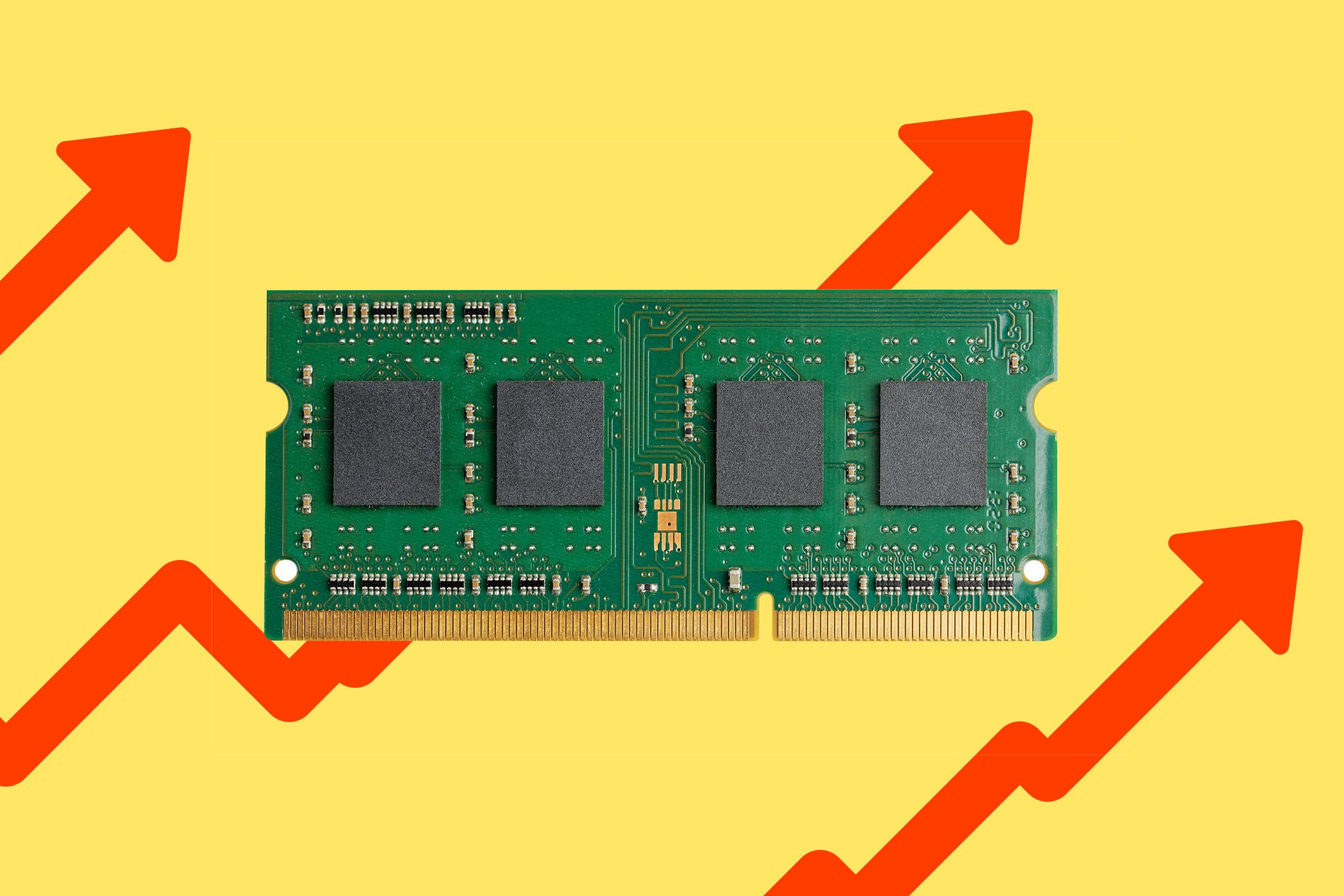
Global PC shipments fell by 21% in Q3 2026, impacted by rising component prices. This trend is also reflected in the smartphone market.
Demand for new PCs has seen a significant decline, with global shipments dropping by 21% in the third quarter of 2026, according to Counterpoint Research. This decline has been corroborated by other analyses from IDC and Omdia, which point to a direct link between rising component prices and reduced sales. Until Q2 2026, the PC market had enjoyed consistent growth for over two years, making this drop even more notable.
## Why it Matters The drop in PC shipments not only indicates a shift in consumer demand but could also have broader implications for the tech industry. As prices for components like RAM and SSDs continue to rise, it is expected that this will impact both manufacturers and consumers, who may delay new device purchases until prices stabilize.
## What We Know Rising prices of RAM, SSDs, and chips from major brands like Intel, AMD, and Qualcomm have been identified as key factors in the drop in shipments. This increase in costs has led to higher final prices for products, ranging from laptops to more budget-friendly devices like Raspberry Pis.
## What’s Still Unclear It remains unconfirmed whether this trend of declining shipments will continue in the upcoming quarters or if the market will recover once component prices stabilize. Additionally, the relationship between the drop in PC shipments and the decline in smartphone sales requires further analysis.
Read at the original source:
The Verge →Related news
 Tech Business
Apple ordered to open its ecosystem in Australia
The Federal Court of Australia mandates Apple to allow third-party app stores and restore Fortnite on its App Store.
 Tech Business
Apple wins copyright battle over Apple TV thriller series
The U.S. appeals court backs Apple in a legal dispute.
 Tech Business
Zuckerberg's plan to pay California's billionaire tax without losing control
Mark Zuckerberg has launched a new stock class to address California's billionaire tax without sacrificing control over Meta.