AI impact on graduate employment less severe than expected

A new report suggests that AI is not significantly affecting recent graduates' employment. Despite increasing investment in technology, unemployment rates for this group haven't spiked dramatically.
A recent report from CESifo challenges the widely held belief that artificial intelligence (AI) is making it harder for recent graduates to find jobs. According to the study, there is little solid evidence that AI has led to a rise in unemployment among this demographic. Despite earlier expectations of a more alarming impact on the labor market, the authors of the report argue that graduate employment conditions remain relatively stable.
Moreover, the report points out that unemployment exhibits predictable seasonal changes each year, indicating that job levels are not solely influenced by emerging technology. Even as average AI spending per employee has doubled since the end of 2025, companies appear to have found a balance in implementing these technologies, contributing to a stabilization in the job market for graduates.
It's important to note that the report also mentions multiple factors affecting graduate unemployment beyond the mere introduction of AI. This suggests that attributing youth unemployment solely to AI would be an overly simplistic view of a more complex situation.
## Why it matters This analysis is relevant for graduates and educational institutions, as it suggests that while AI is transforming many aspects of work, it is not causing immediate harm to job opportunities for recent graduates. This could reassure students who are concerned about their professional future in an increasingly automated job market.
## What we know The CESifo report indicates that there is no conclusive evidence that AI is increasing unemployment among graduates. Companies have begun to integrate AI more effectively, which may be helping to stabilize the job market.
## What remains unclear While the report challenges the notion that AI is negatively impacting graduates, the situation could change in the future. It has yet to be confirmed whether this trend will persist long-term, especially as AI continues to evolve and transform various industries.
Read at the original source:
TechRadar →Related news
 Tech Business
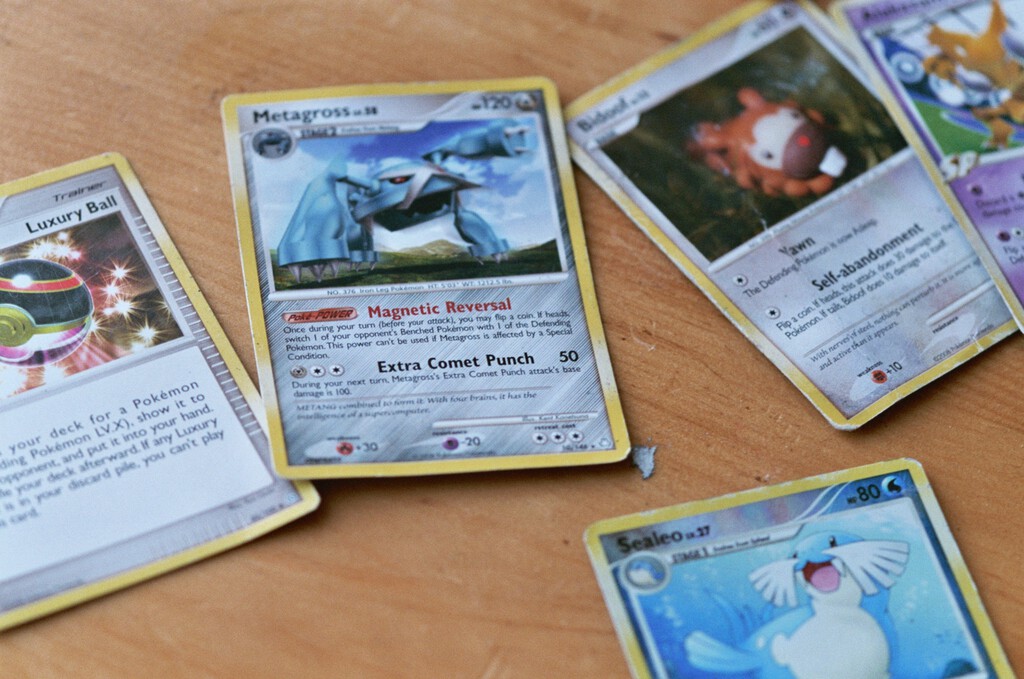
Pokémon cards reach an investment milestone
Pokémon collectible cards have matched Nvidia in performance. This phenomenon highlights the unexpected value of unconventional assets.
 Tech Business
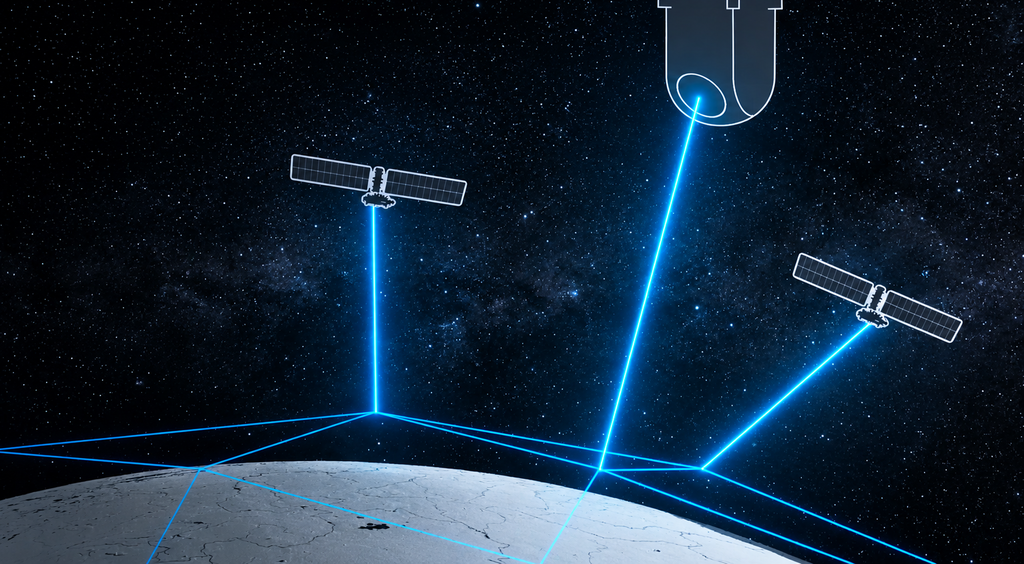
Europe questions control over its military technology: Palantir responds
Europe's reliance on U.S. military technology raises concerns about control over defense systems. Palantir claims that the Maven system cannot be deactivated.
 Tech Business
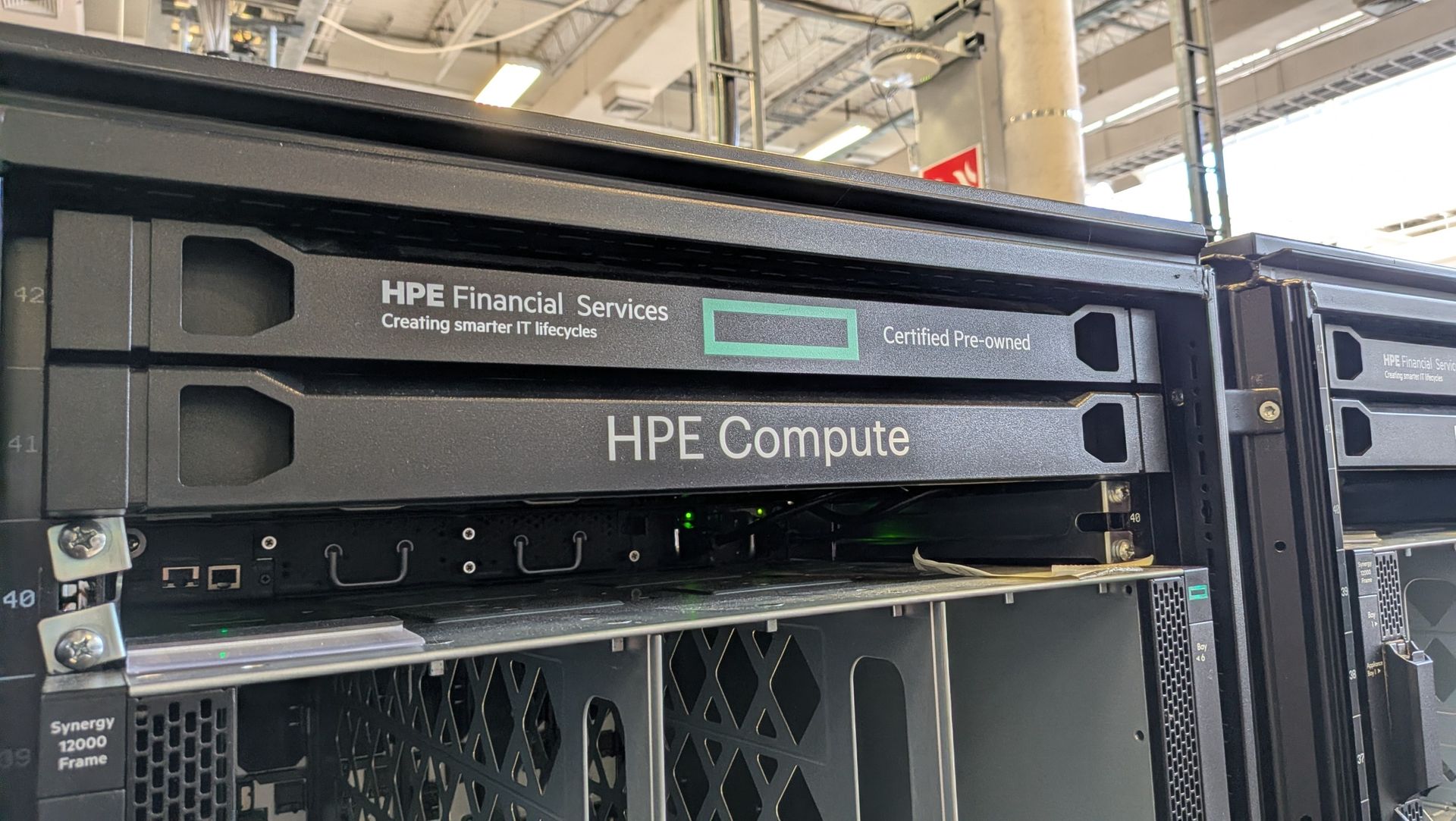
HPE's Technology Renewal Centre: Giving Old Tech a Second Life
HPE has opened its Technology Renewal Centre in Scotland, where outdated tech gets a new chance. This facility is a leader in e-waste processing in Europe.