Connectivity Issues and the New Era of Smartphones
The mobile industry faces challenges and opportunities with new innovations and connectivity problems. How are Apple and Samsung adjusting to this landscape?
Connectivity Issues with the iPhone 18 Pro Max
This week, AT&T alerted users of the iPhone 18 Pro Max about ongoing connectivity problems, despite the recommendation to update to iOS 27.0.1. Such issues are not new, but they reflect a growing trend where smartphones, despite their sophistication, face technical challenges that affect user experience. Consumer frustration is palpable, and this can impact brand perception, especially when it comes to a flagship device like the iPhone.
Innovations and Campaigns for the iPhone Duo
Meanwhile, Apple continues to launch products with innovative features, such as the iPhone Duo, which promises exceptional photographic quality through its 'Shot on iPhone Duo' campaign and also introduces practical elements like a replaceable folding screen. This capability for customization and repair could be a game changer in an industry where durability becomes as important as functionality. However, the success of these innovations will rely on Apple's ability to manage connectivity issues in its latest models.
Fierce Competition with Samsung
On the other hand, Samsung has launched its Galaxy S26 FE at an attractive price of $150, capturing the attention of those seeking a mid-range option. This strategy not only puts pressure on Apple but also provides consumers with more choices in a saturated market. The accessibility of Samsung products compared to Apple’s may influence many buyers' decisions, especially in an environment where connectivity issues might make some consumers reconsider their brand loyalty.
New Regulations and Their Impact
In a broader context, the new sideloading rules from Android are also beginning to redefine the user experience. By allowing users to bypass restrictions, Google is fostering a more flexible environment for consumers, which may contrast with the rigidity of Apple's ecosystem. This could result in greater diversification of applications and services on Android, providing additional incentives for some users to consider switching platforms.
An Uncertain Yet Promising Future
As the mobile industry progresses, it is crucial for companies to not only focus on innovation but also address the issues affecting daily functionality. The combination of innovations in devices like the iPhone Duo and the Galaxy S26 FE, along with connectivity problems and new regulations, creates a constantly evolving landscape. The ability to adapt to these changes will be critical for the future success of brands in a market where consumer expectations are increasingly high.
Conclusion
In summary, recent developments in mobile technology show us that while innovation is key, customer care and problem-solving are equally important. Consumers expect not only sophisticated devices but also the assurance that they will function without issues. As companies like Apple and Samsung navigate this complex landscape, their ability to respond to user needs will be fundamental to their longevity in the market.
Related news
 Mobile
iPhone Duo's screen is replaceable
Apple confirms that the iPhone Duo's display can be easily replaced. This is a significant advancement in the durability of foldable smartphones.
 Mobile
Xiaomi Redmi Note 17 Pro Max: 9,210 mAh battery and deals
Discover the new Xiaomi Redmi Note 17 Pro Max with an impressive battery and other featured offers.
 Mobile
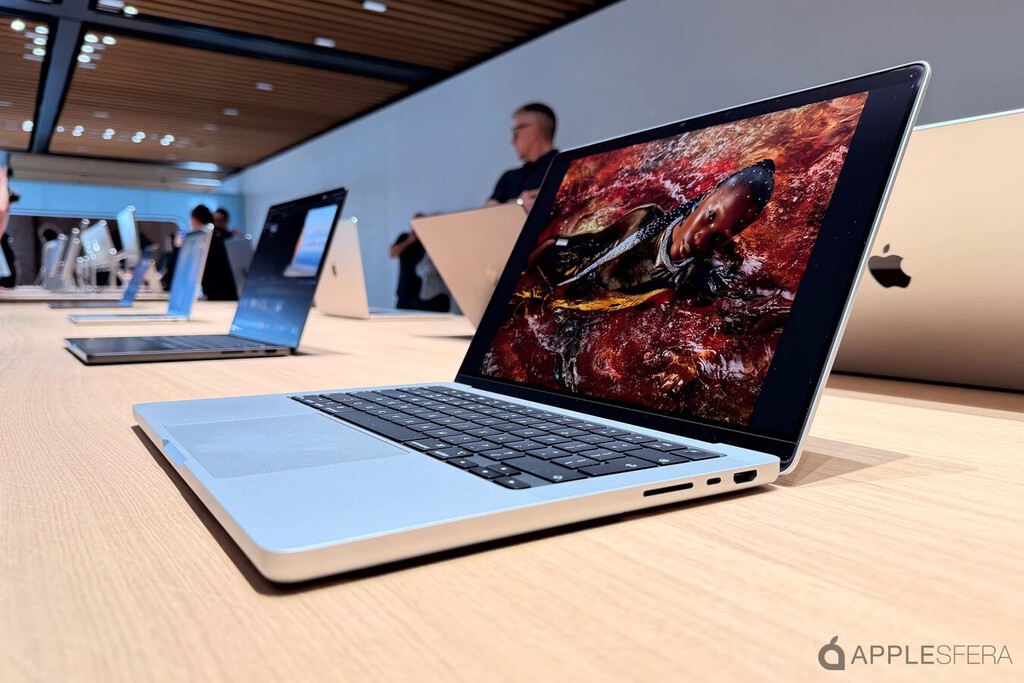
Apple's first touchscreen MacBooks may launch soon
Reports suggest that Apple might release its first touchscreen MacBook Pros this month or next. Details about the new interface are also being speculated.