Mobile Innovation Race: Trends and Challenges

The mobile technology industry is at a critical juncture. From production shortages to new device functionalities, the landscape is shifting.
Scarcity and Demand in the Smartphone Market
The recent news about the limited production of the iPhone Duo marks an important milestone in the smartphone market dynamics. Priced at €2,339, its imminent scarcity suggests not only high demand but also Apple's strategy to create a sense of urgency among consumers. The recommendation to reserve the device as soon as possible clearly indicates that high-end product launches are increasingly tied to exclusivity and consumer perception.
Connectivity Evolution: Opera and eSIM
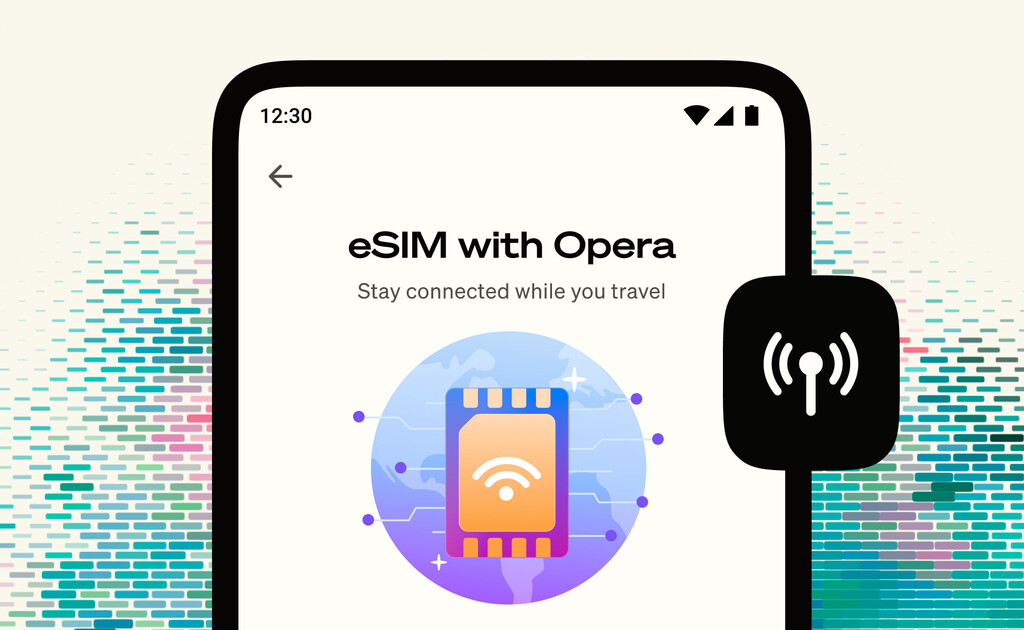
On another front, Opera's introduction of a free eSIM option for travelers highlights the growing need for connectivity solutions in an increasingly globalized world. This offering not only simplifies the lives of travelers but also expands opportunities for smartphones in a context where constant connection has become essential. It indicates that tech companies are beginning to prioritize practical functionality in their offerings, rather than focusing solely on hardware features.
Security Updates: A Preventive Approach
The September security update for the Galaxy S24 series from Samsung, although limited to patches, underscores a growing trend towards user security and protection. In a world where security breaches are becoming more common, manufacturers are starting to recognize the importance of keeping their devices secure, even if it means sacrificing new features in the short term. This could signal a shift in how consumers value software updates, prioritizing security over novelty.
Innovations in Pixel 11 Pro Functionality
Recent updates for the Google Pixel 11 Pro, including enhancements to the HiLight LED function, demonstrate how manufacturers are constantly seeking ways to innovate and offer added value to their users. The ability to receive notifications from favorite contacts through the LED is an example of how companies are trying to differentiate their devices in a saturated market. This highlights the importance of user experience and how small improvements can have a significant impact.
The Shadow of AI on Smartphone Production
The prediction that the production of low-cost smartphones could fall by 40% by 2030 due to chip demand for artificial intelligence serves as a warning for the industry. This will not only affect consumers seeking affordable options but could also lead to increased market concentration, where only the larger, established manufacturers may survive. Resource scarcity and competition for advanced technology could redefine access to mobile technology in the future.
New Horizons for Apple Pay in India
Finally, the arrival of Apple Pay in India represents a significant expansion for the mobile payment ecosystem. However, its limited implementation in certain establishments indicates that, despite innovation, there are still barriers to overcome for full adoption. This launch underscores the importance of infrastructure and cultural adaptation in the acceptance of new technologies in emerging markets.
Related news
 Mobile
Google vs Europe: Gemini and ChatGPT Access Dispute
The European Commission wants equal access for ChatGPT on Android compared to Gemini. Google has taken the matter to court.
MobileiPhone Duo production still incomplete: Hurry to reserve!
The iPhone Duo, priced at €2,339, may sell out quickly due to limited production. It's advised to reserve it soon to avoid shipping delays.
 Mobile
Opera offers 3 GB free eSIM for travelers
Opera introduces a 3 GB free eSIM option for Android users, enhancing connectivity for travelers.