Mobile market trends: Innovation and competition
This week has been marked by new device launches and features. Companies are striving to differentiate themselves in a saturated market.
Innovation and anticipation in the mobile market
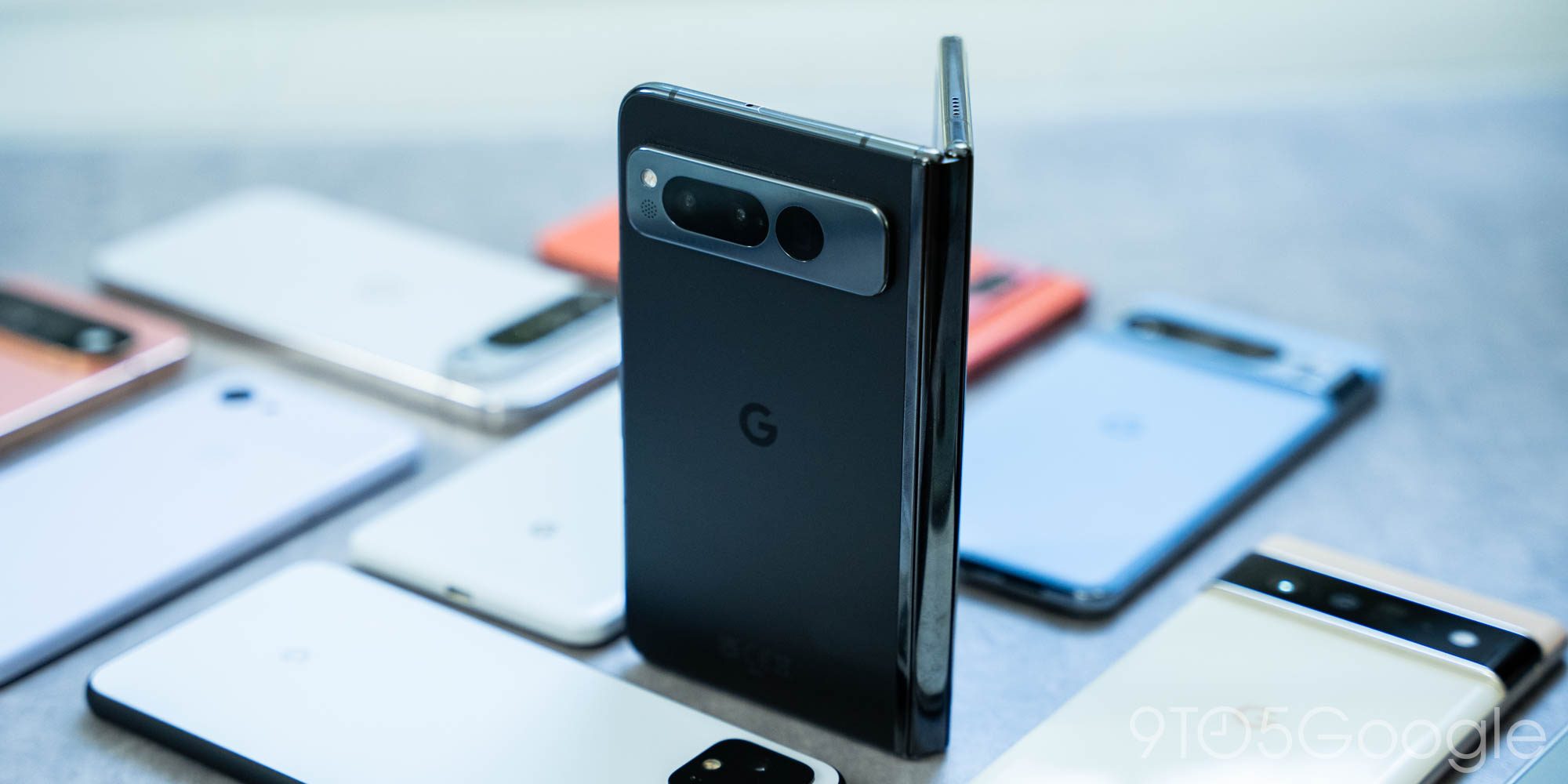
This week has brought significant news in the smartphone sector, highlighted by the early arrival of Google's Pixel Fold. While this device was seen as innovative, its premature introduction showcased both the shortcomings and opportunities presented by a foldable design. The Pixel Fold seeks to capture the attention of tech enthusiasts while opening a debate about the viability of flexible phones in a market still adapting to them.
The battle of battery life and visual quality
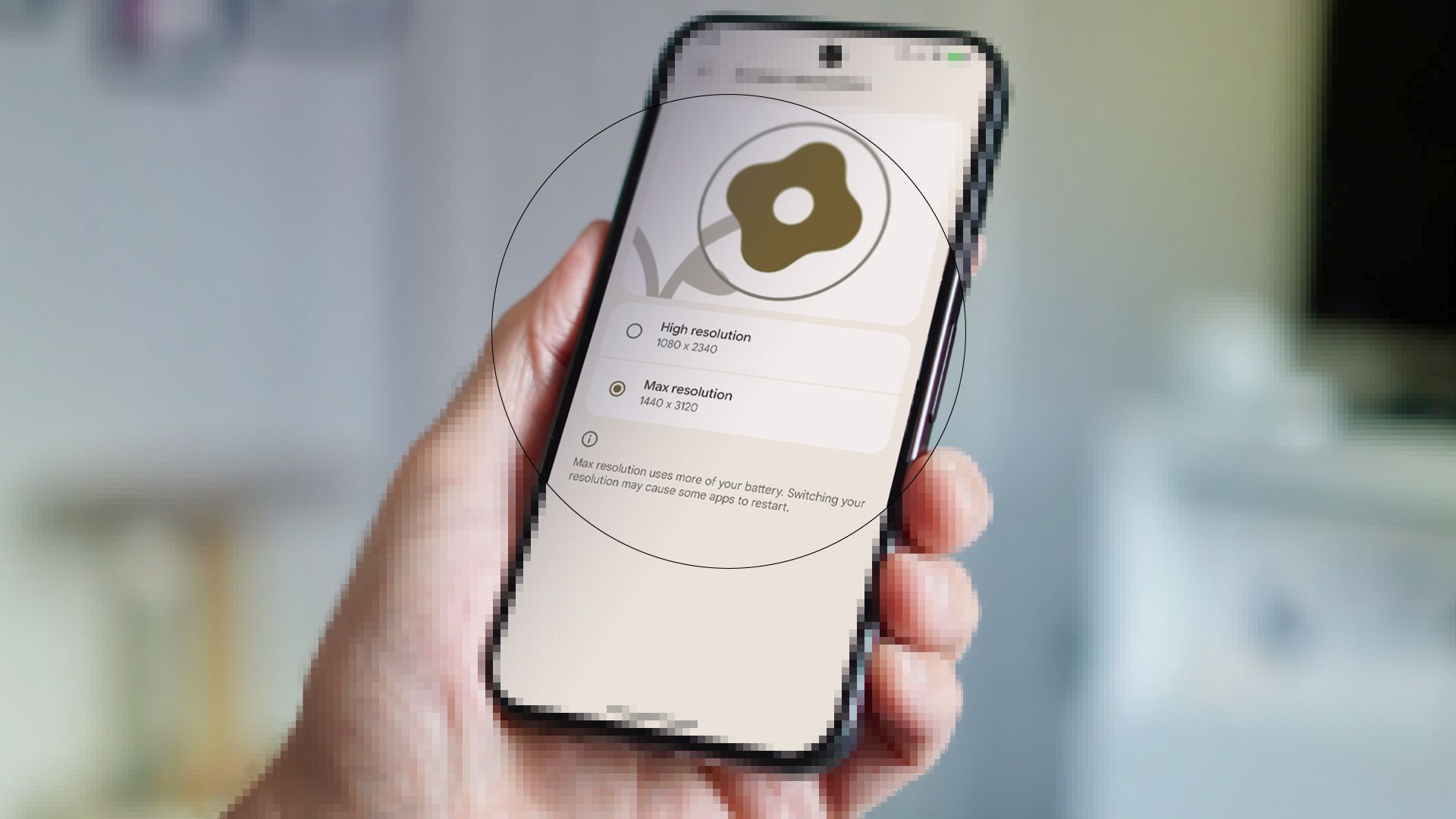
On the other hand, the dilemma between screen resolution and battery life has become a recurring topic among users of Google Pixel's Pro models. While consumers demand increasingly sharper displays, sacrificing battery life becomes a point of contention. This phenomenon reflects a broader trend where users prioritize premium features, often at the expense of basic functionality, which is battery life.
Showdown between giants: Apple and Samsung
The competition between Apple and Samsung continues to intensify, as evidenced by the recent comparison between the iPhone 18 Pro Max and the Samsung Galaxy S26 Ultra. Both devices represent the pinnacle of current mobile technology, and consumers face the tough task of choosing between two titans. This rivalry not only fosters innovation but also raises questions about which features truly matter to users in an environment of constant improvements.
The evolution of Apple devices
Apple, on its part, is not falling behind and is preparing to launch a new iPad equipped with the A19 chip, which promises to be a significant advancement in AI integration. With this device, Apple aims to not only remain relevant but also set a new standard in user experience, emphasizing its commitment to continuous innovation.
New tools for digital health
In a world where digital health is becoming increasingly important, Android 17 has introduced the 'Pause Point' feature, allowing users to limit app usage. This tool reflects a growing concern about social media addiction and underscores how companies are beginning to take proactive steps to help users manage their screen time.
A new standard in high-end smartphones
Finally, the launch of the Xiaomi POCO F9 Ultra sets a new standard in the high-end segment. With a price exceeding one thousand euros, Xiaomi aims to challenge market leaders, suggesting that competition in this sector will intensify further. The combination of price and features may change the game, prompting consumers to reassess the value of each device.
Conclusion: An evolving market
In summary, the week has witnessed a series of launches and updates that reflect current trends in the mobile market. Innovation and competition are essential for the sector's growth, and companies must adapt to the changing needs of consumers, who seek devices that are not only functional but also align with their lifestyles and values.
Related news
 Mobile
The age of cars in Spain: How old are they?
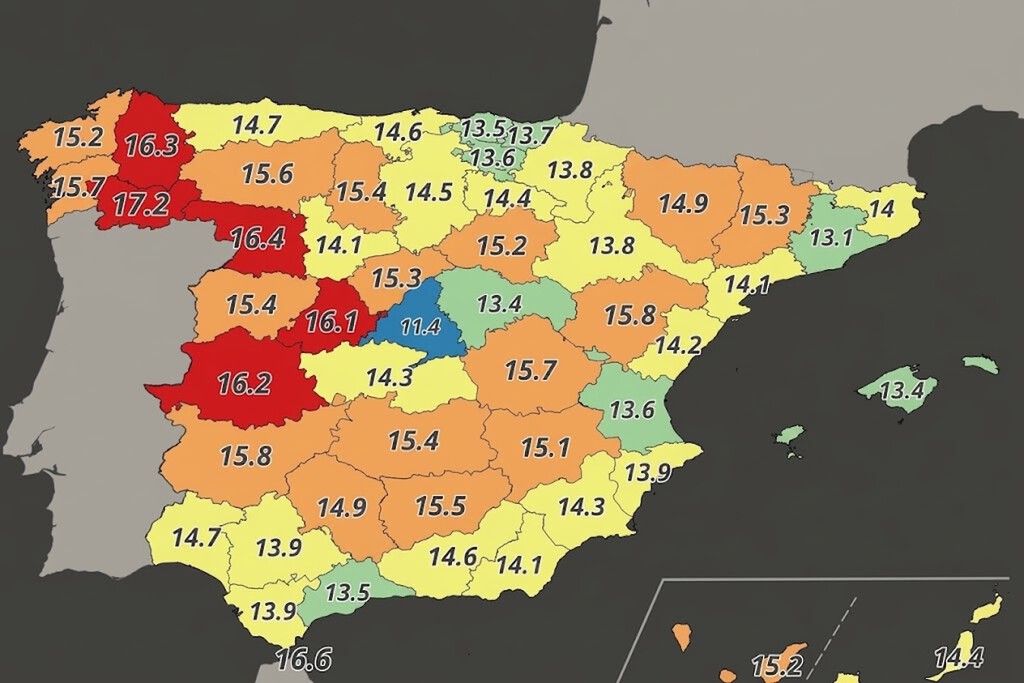
A new map reveals the average age of cars in Spain, highlighting a national average of 14.6 years. This reflects the state of the country's vehicle fleet and its implications for mobility and the environment.
MobileGoogle's Pixel Fold: Ahead of Its Time
Google's original Pixel Fold was an innovative yet flawed device. Its early arrival in the market highlights its potential compared to current offerings.
 Mobile
Max resolution impacts Pixel's battery life
Google Pixel Pro models boast high-resolution screens, but this may affect battery longevity. Users face the dilemma of choosing between visual quality and battery life.