The Evolution of the Mobile Ecosystem Amid Changes
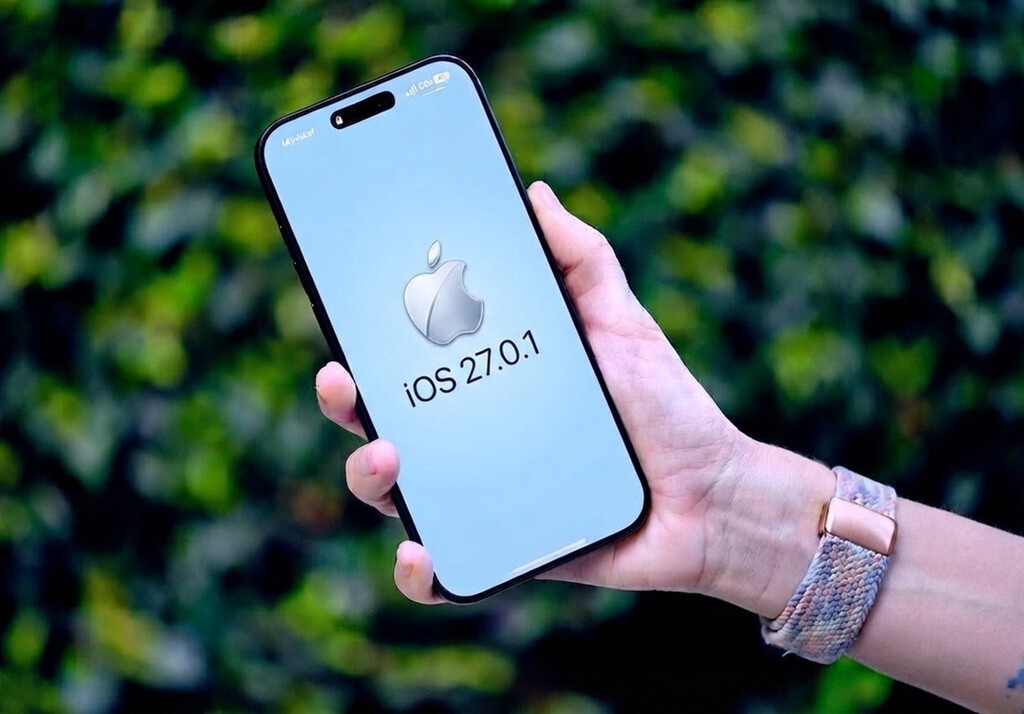
Software and hardware updates are setting the pace in the mobile sector. Battery trends and tariffs highlight the need for adaptation.
Constant Updates as a Key Strategy
This week, Apple released iOS 27.0.1, targeting minor issues in newer iPhones. This move not only reflects the company's commitment to user experience but also underscores a growing trend where software updates become vital for device performance and longevity. With increasingly shorter device life cycles, brands are prioritizing the need to keep their products relevant and functional through regular updates.
Innovations in Design and Functionality
The leak of new faces for the StandBy mode of the iPhone Duo indicates how Apple aims to enhance user interaction with its devices. This focus on personalization and adaptability is becoming a standard in the industry, where users seek not just a smartphone but an extension of their lifestyle. This trend towards customization is also reflected in how consumers are willing to invest in upgrades and enhancements, as seen with Motorola's discount codes.
The Importance of Battery Life
The topic of battery life and condition has gained relevance, especially with the testimony of a user reaching 1,000 charge cycles on their iPhone 15 Pro Max. Battery degradation is a crucial aspect affecting user satisfaction. As devices become more sophisticated, so do their energy requirements. Therefore, tips on improving battery life on Android devices are increasingly relevant as users look to maximize their devices' lifespan.
Challenges in Connectivity and Services
In contrast to the focus on updates and improvements, the recent failure of the tap to pay feature on Pixel phones highlights the persistent challenges in connectivity and functionality. As smartphones become more integrated into our daily lives, technical issues can cause frustration and distrust among users. Such inconveniences emphasize the need for companies to not only focus on launching new models but also to ensure that existing features function seamlessly.
Economic Impact on Users
Finally, T-Mobile's announcement of increased tariffs serves as a reminder that the cost of maintaining a mobile device can be significant. As users face higher monthly bills, the perceived value of the devices they choose becomes even more critical. Companies must consider how their pricing policies and innovations impact user experience, especially at a time when many are reevaluating their technology spending.
Conclusions
In summary, the mobile industry is in a state of constant evolution, where attention to detail in software updates, design innovation, battery longevity, and connectivity is essential to maintaining consumer loyalty. As economic challenges add to the equation, companies will need to be more strategic and savvy to meet the changing needs of users.
Related news
 Mobile
Free mobile games may be sharing your data with Russia and China
A study reveals that many free Android games are sending data abroad. Proton warns about privacy risks.
MobileApple releases iOS 27.0.1 to fix issues on iPhones
Apple has launched iOS 27.0.1 to address minor issues on iPhones. The update is particularly relevant for the latest models.
 Mobile
Motorola Coupon Codes for October 2026
Find out how to upgrade your Motorola smartphone at a better price with the latest deals.