The Struggle for Innovation in Mobile Technology
The mobile tech market is evolving, but not without challenges. This analysis explores recent decisions by major brands and their impact on consumers.
Unfulfilled Promises and Consumer Disappointment
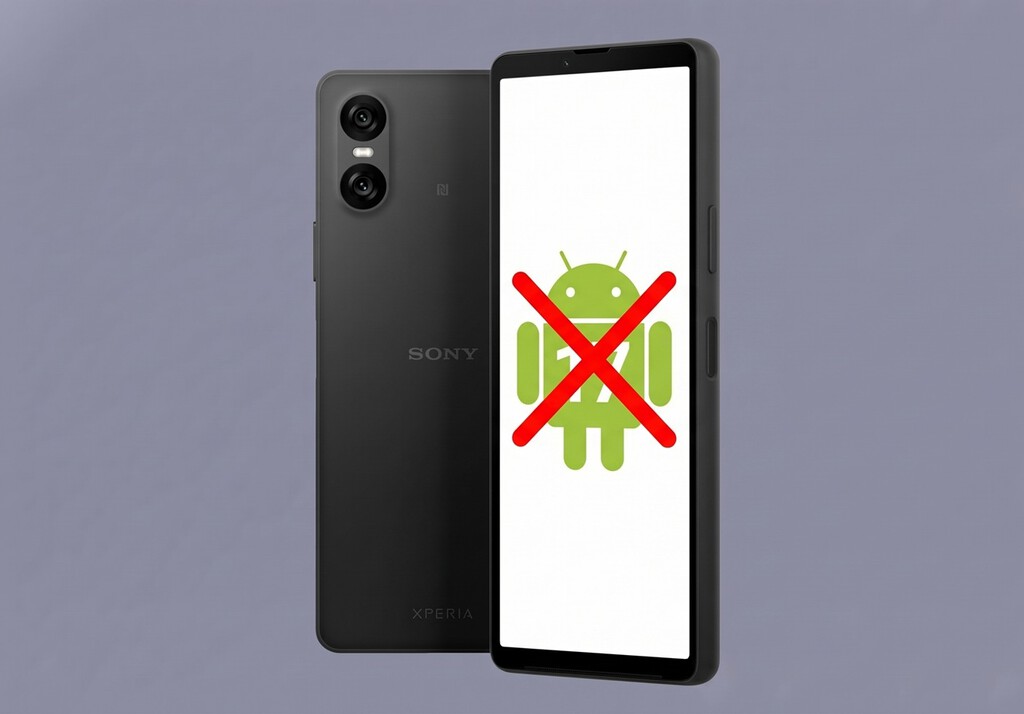
This week, Sony disappointed many users by failing to deliver on its promise to update the Xperia 10 VI to Android 17, leaving them stuck on Android 16. Such situations highlight a recurring issue in the smartphone industry: the expectations of consumers versus the reality of updates. The lack of long-term support can lead to a loss of trust in the brand, potentially impacting future purchasing decisions.
Apple's Continuous Evolution
On the other hand, Apple continues its path of innovation with the introduction of the iPhone Duo and updates to its Phone app. Apple's strategy appears to focus on offering an increasingly integrated and functional ecosystem. With the arrival of the iPhone Duo, featuring advanced characteristics such as its eSIM-exclusive design and a powerful battery, Apple positions itself not only as a leader in the smartphone market but also as a reference in the evolution of foldable devices.
New Launches and Competition
Additionally, Apple has announced a series of scheduled launches for the coming weeks, indicating a strong focus on saturating the market with new products. This move can be interpreted as a response to the growing competition, not only from other phone brands but also from laptop manufacturers like Orico, entering the market with products like the Obook15, which offers attractive discounts to lure consumers.
Samsung's Strategic Shift
Meanwhile, Samsung is considering a significant change by opting for its own Exynos chipset in the Galaxy S27 Ultra instead of continuing to use Snapdragon. This decision may be motivated by performance issues and overheating, highlighting the importance of reliability in hardware development. As consumers become more demanding regarding performance, manufacturers must adapt quickly.
Trends Toward Customization and Usability
The recent emergence of tips on how to use the iPhone with one hand also reflects a trend toward personalization and enhancing user experience. As devices become larger and more powerful, the need for adaptive functionality becomes paramount. This focus could be crucial for maintaining user loyalty in a market where differentiation is becoming increasingly difficult.
Conclusion: Adapt or Die
In summary, the landscape of mobile technology is in constant flux, and companies must quickly adapt to the needs and expectations of consumers. From unfulfilled promises to bold innovations, this week has shown that the battle for consumer preference is fierce. Those who manage to balance innovation with reliability will likely find greater success in the future.
Related news
 Mobile
Upcoming Apple launches: expected products and dates
Apple has several product launches planned, including the new iPhone Duo. Additional announcements are anticipated before the end of the month.
 Mobile
Galaxy S27 may launch earlier than usual
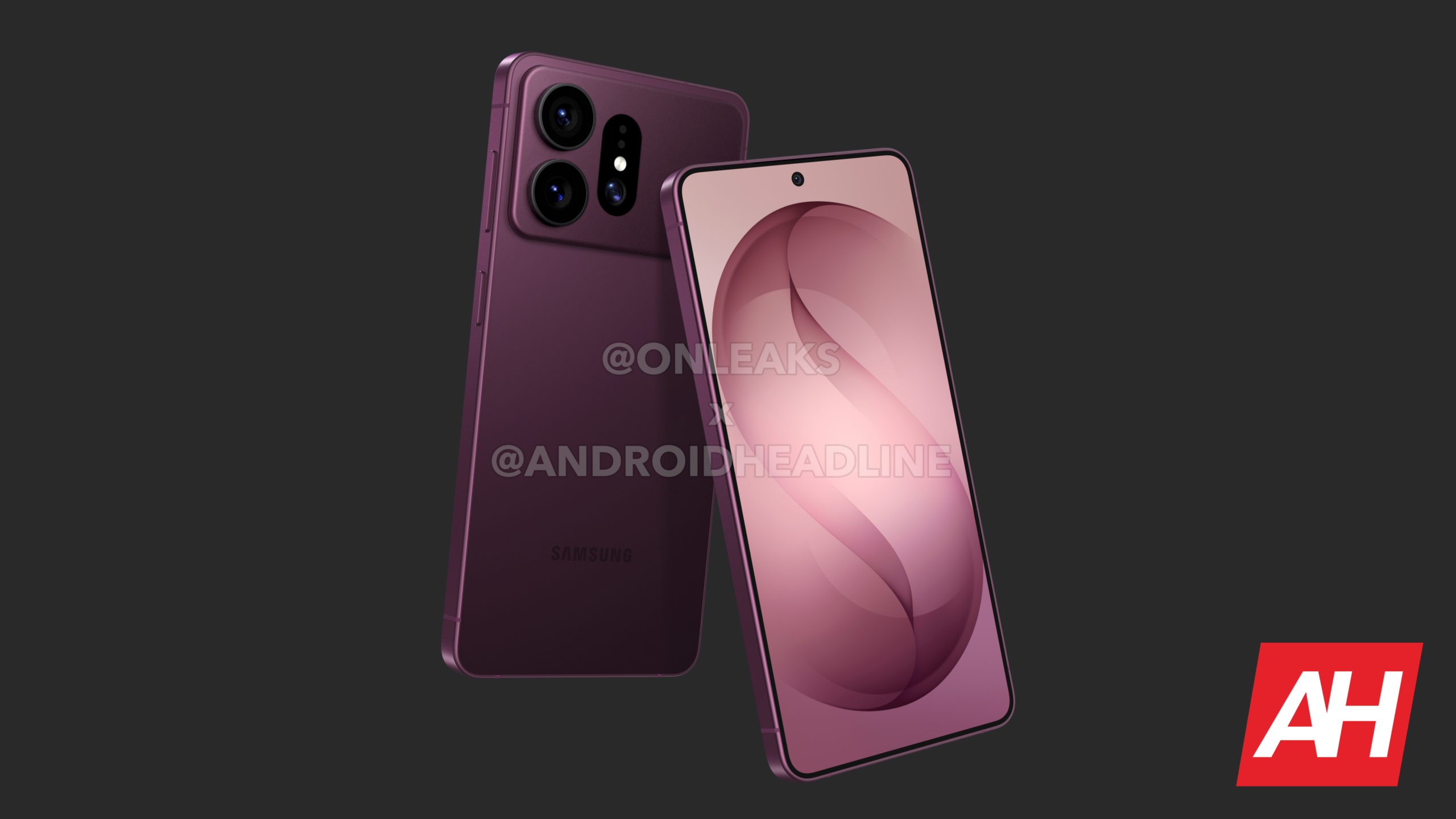
Samsung is finalizing production plans for the Galaxy S27 series, which may launch in January, ahead of previous years.
 Mobile
Qualcomm denies heating issues with Snapdragon 8 Elite
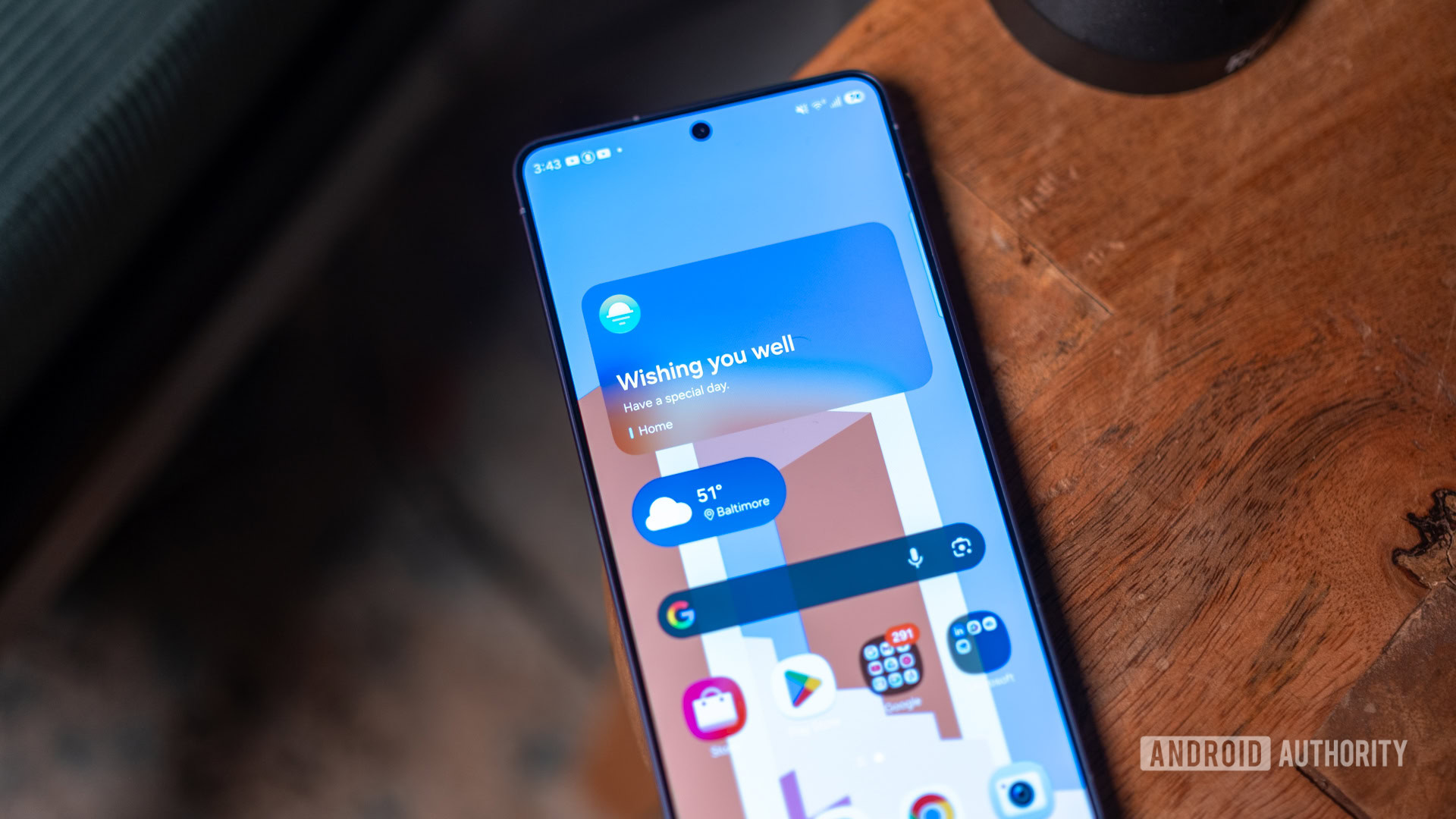
A Qualcomm executive has denied rumors of thermal problems with the Snapdragon 8 Elite Gen 6 processor. This comes after a report suggested Samsung was addressing heating issues with the Extreme chip.