Verizon and Apple: New Fees and Overwhelming Demand
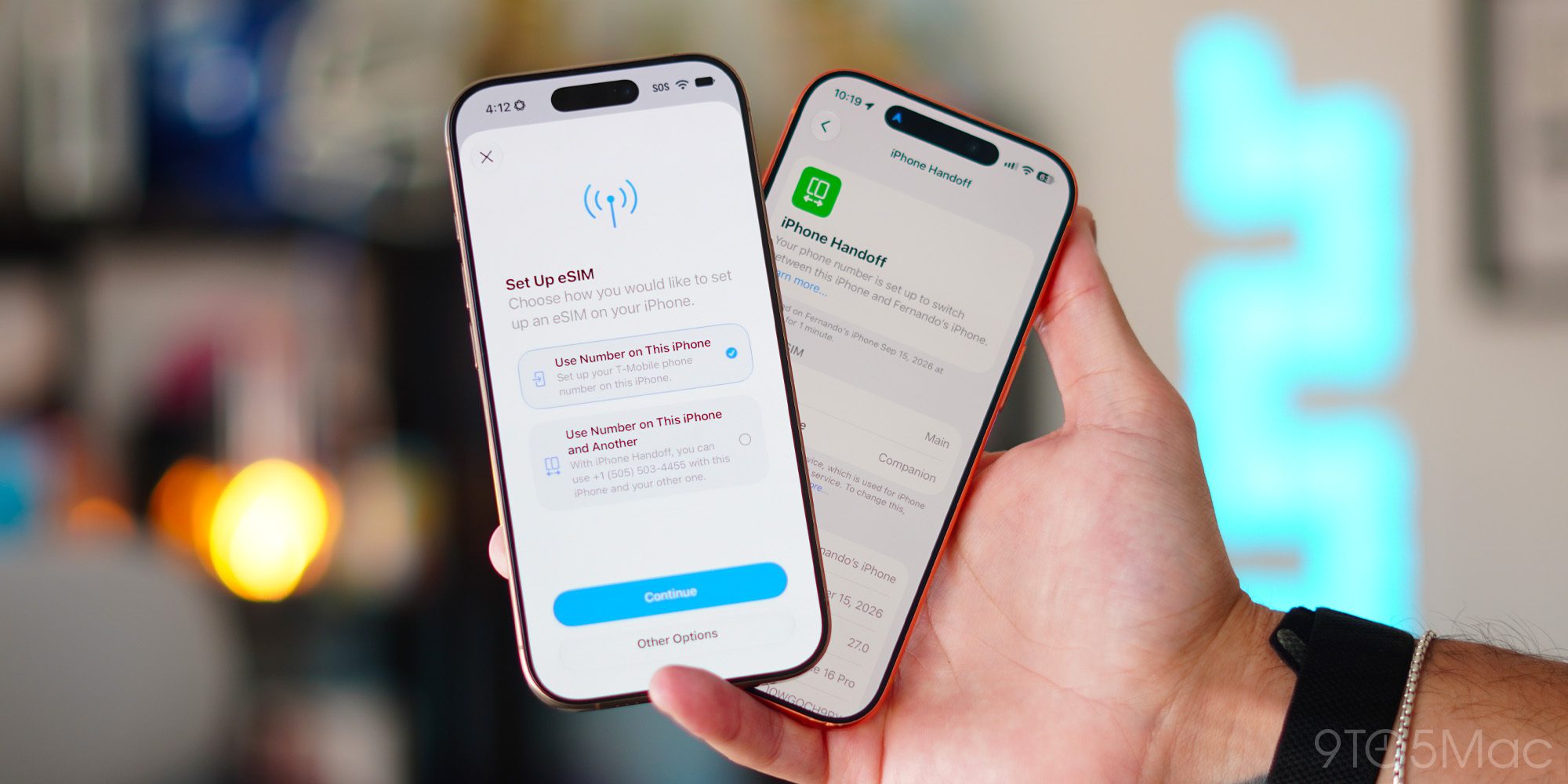
This week brought significant changes in the mobile ecosystem. Verizon has decided to charge for features that were previously free, while Apple faces extraordinary demand.
New Fees in the Mobile Ecosystem
Verizon's recent decision to implement a $10 monthly fee for the iPhone's Handoff feature marks a notable shift in service monetization strategy. This move not only affects current iPhone users but also raises questions about the future of connectivity and access to features that were once considered included in the service. In a time when consumers are looking to maximize the value of their subscriptions, the introduction of additional fees could be seen as a step backwards.
The Demand for the iPhone Duo
On the other hand, Apple has reported extraordinary demand for its new iPhone Duo. With orders extending into 2027, it is clear that the company has managed to capture market interest even as other manufacturers are seeing declines in shipments. This phenomenon suggests that Apple has solidified its position as a leader in the smartphone space, capable of innovating and attracting consumers despite market saturation.
A Growth Outlook for Apple
The report suggesting that Apple will be the only smartphone manufacturer to grow by 2026 highlights the brand's resilience. While other companies face significant challenges, Apple has managed to adapt and evolve. However, despite this growth, the company must carefully manage the criticism that arises with each new charge for features, as this could impact its image and customer loyalty in the long run.
Model Comparisons and Features
The recent unveiling of the iPhone Duo and iPhone 18 Pro has also sparked debate over the key differences between the two models. With each launch, Apple pushes the boundaries of mobile technology, but the introduction of features that require additional fees may leave many questioning whether the investment is truly worthwhile. Competitors are not lagging behind, with companies like Google releasing updates to their operating systems, adding pressure on Apple to justify its pricing.
Technological Challenges and Regulation
Additionally, the accident involving a Tesla driver using the assisted driving mode raises serious questions about the safety and regulation of advanced technologies. As tech companies move toward automation and connectivity, incidents like this could intensify regulatory scrutiny, affecting how these technologies are implemented and charged for.
Conclusions on the Future of Mobile
In summary, the intersection of additional fees and robust demand presents an interesting landscape for the future of mobile technology. The decisions made by companies like Verizon and Apple regarding how to monetize their services and products will define not only their immediate success but also their standing in an increasingly competitive market. The key will be finding a balance between innovation, accessibility, and value for the consumer.
Related news
MobileVerizon confirms $10 monthly fee for new iPhone Handoff feature
Verizon has announced a $10 monthly fee for customers to use Apple's new Handoff feature on the iPhone.
 Mobile
Verizon to Charge $10 a Month for iPhone Handoff Feature
Verizon will implement a $10 monthly fee for the iPhone Handoff feature. This allows users to share a phone number across two compatible iPhones.
 Mobile
HP Googlebook 14: a great laptop, but limited OS
The HP Googlebook 14 stands out as a solid laptop, though its operating system has limitations. Here's what this means for users.