Dinosaur-killing impact crater may have harbored life
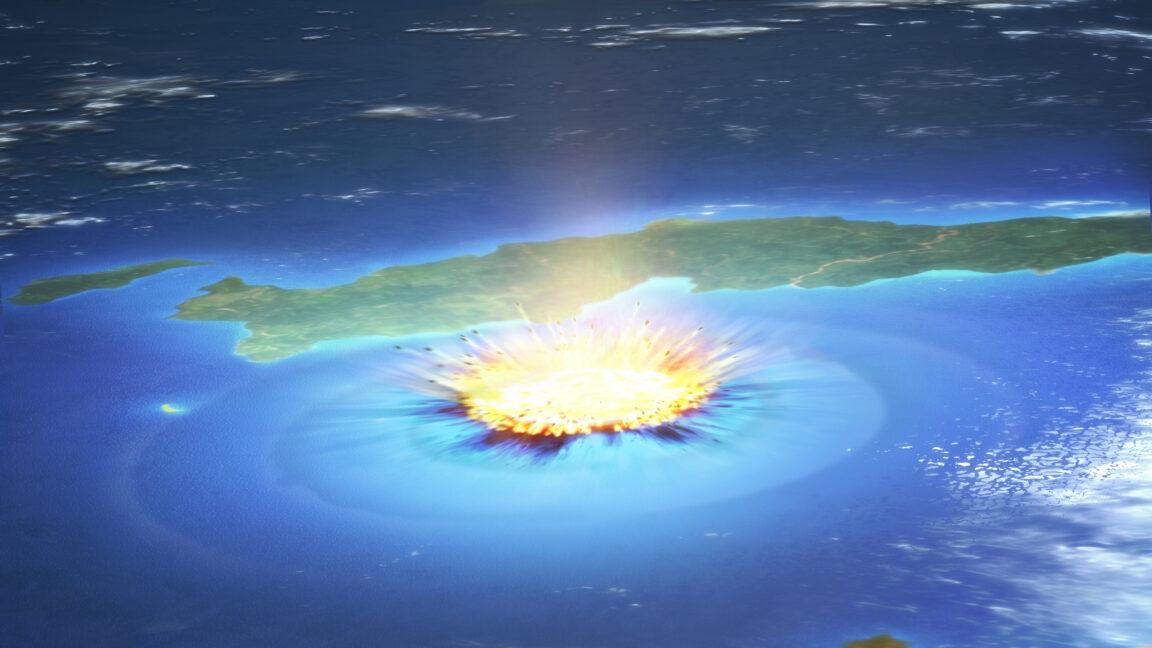
Research suggests that the Chicxulub crater could have been a life-sustaining environment after the asteroid impact that wiped out the dinosaurs.
About 66 million years ago, an asteroid struck Earth in what is now the Yucatán Peninsula, leading to the mass extinction of non-avian dinosaurs and many other species. However, this collision also created an environment that may have favored life. It has been discovered that the impact generated a hydrothermal system that lasted for 8 million years, suggesting that despite the devastation, life could have found a new home in the depths of the ocean.
## Why it matters This finding is crucial as it changes our perception of the consequences of cataclysmic events. Rather than being solely destructive, these impacts may create conditions that foster life, which could have implications for our understanding of evolution and the resilience of life on Earth.
## What we know Researchers who drilled in the impact zone in 2016 analyzed rocks formed by the collision, allowing them to gain clearer insights into what happened immediately after the event. This analysis showed that the effects of the impact extended deep into the Earth's crust, reaching depths of up to 35 km, causing significant geological deformations in the area.
## What remains unclear Despite these advancements, many questions remain regarding the specific nature of the life that may have thrived in this hydrothermal environment. The exact types of organisms that could have inhabited this area, as well as how they adapted to the extreme conditions created by the impact, have yet to be detailed.
Read at the original source:
Ars Technica →Related news
 Science
ESA launches project to store 500PB of Earth observation data
The European Space Agency partners with OVHcloud and CGI to develop a massive data storage system for Earth observation. The Digital EO project aims to collect 500PB of information by 2035.
 Science
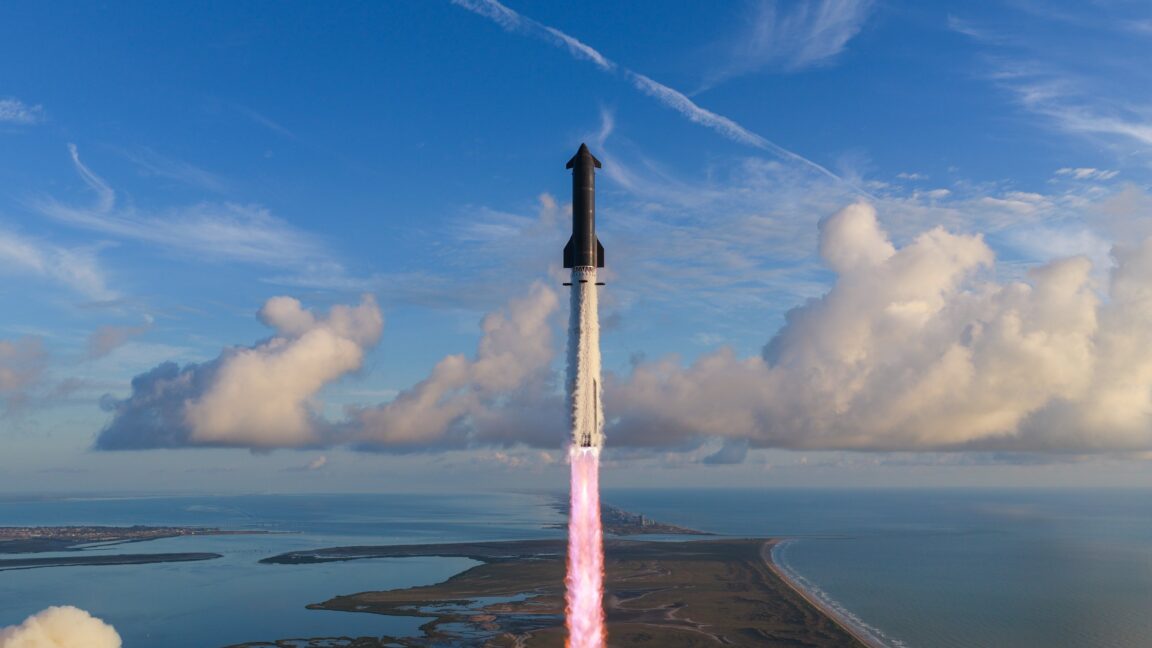
SpaceX's Starship achieves first orbital launch
SpaceX successfully completed its 14th test flight of the Starship rocket, reaching Earth orbit. During this flight, 26 new Starlink satellites were deployed.
 Science
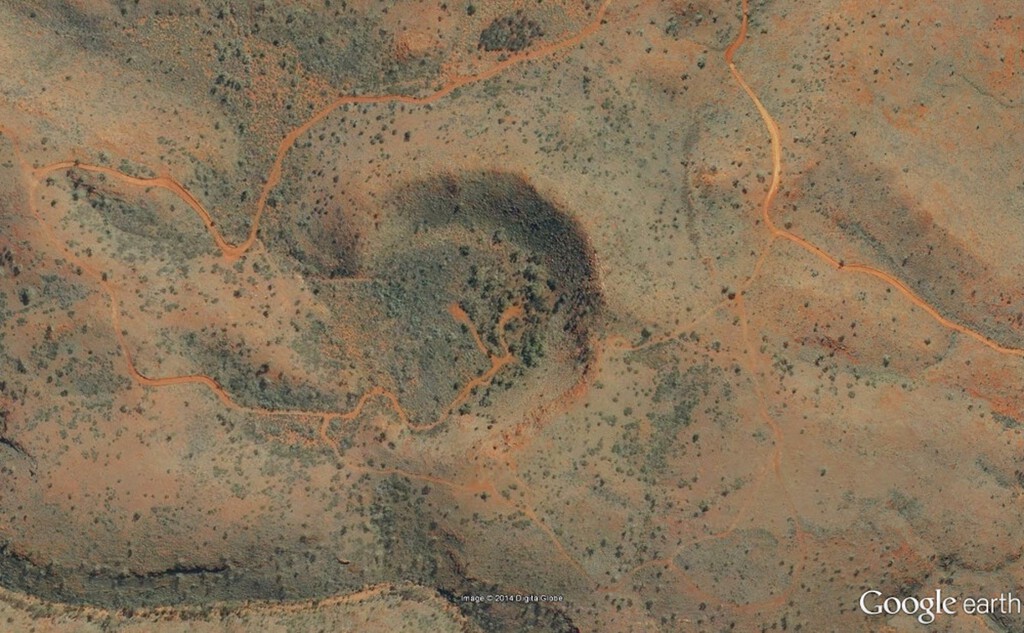
Ancient discovery on Google Earth: a mysterious circle
An Australian geologist discovers a perfect circle on Google Earth, potentially linked to a meteorite impact. This finding could unveil information about ancient events on Earth.