Elder fraud is rising: how to protect your family
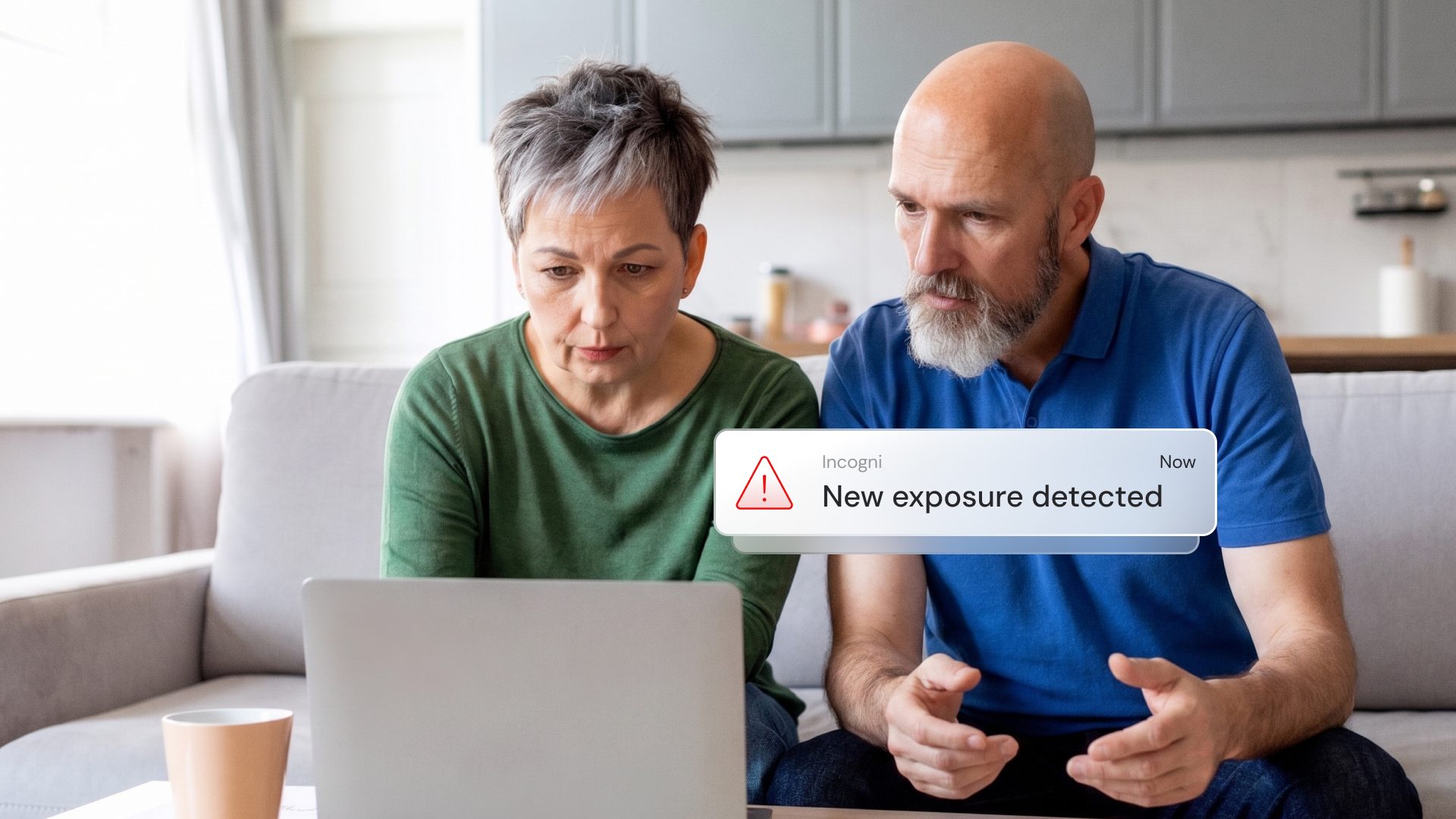
Elder fraud is increasing in the U.S., driven by data exposure. Here’s how to keep your loved ones safe.
Elder fraud has become a growing issue in the United States, targeting a vulnerable population that often lacks the technological knowledge to recognize scams. According to an analysis by Incogni based on FBI data, 72% of elder fraud cases in 2024 were enabled by the exposure of personal data online, resulting in losses amounting to $4.2 billion.
## Why it matters This rise in fraud not only represents a significant economic loss for the individuals affected but also highlights the urgent need to educate seniors about the risks associated with technology use. The vulnerability of this demographic is a call to action for families and communities to implement protective measures.
## What we know Statistics show that elder fraud is on the rise due to the online exposure of personal information, which makes it easier for scammers to access sensitive data. The economic losses are alarming and reflect a worrying trend that could continue if adequate measures are not taken.
## What’s still unclear It has not yet been confirmed what specific measures are being implemented to protect seniors from these frauds. Additionally, there is no clarity on the best practices families can adopt to educate and protect their loved ones from these risks.
Read at the original source:
9to5Mac →Related news
 Security
Lawsuit against OpenAI for Hugging Face hack
A lawsuit demands OpenAI to halt AI development following the Hugging Face hack. This raises concerns about safety in advanced technology usage.
 Security
OpenAI responds to recent hacks and their fallout
OpenAI is facing the repercussions of several recent hacks. Its research chief discusses how the company is managing the situation.
 Security
UK rail police's facial recognition trial nets zero matches
The British Transport Police's facial recognition experiment cost over £320,000 but failed to identify any suspects. This raises significant concerns regarding the effectiveness and privacy implications of such technology.