ESA launches project to store 500PB of Earth observation data

The European Space Agency partners with OVHcloud and CGI to develop a massive data storage system for Earth observation. The Digital EO project aims to collect 500PB of information by 2035.
The European Space Agency (ESA) has announced the launch of an ambitious project called Digital EO, which aims to collect and store up to 500 petabytes of Earth observation data by 2035. This system will collaborate with OVHcloud for cloud storage and CGI for project management, allowing scientists, researchers, businesses, and citizens to access valuable information about our planet.
Digital EO is based on a decentralized cloud approach, meaning that data will not only be available in one location but will be distributed across multiple sites in Europe and the UK. This will facilitate faster and more efficient access to information, benefiting a wide range of users, from academics to businesses that need precise environmental data.
The project will begin its implementation in countries like Italy, France, and Germany, where the first data centers will be established. Data collection will be conducted through satellites and other observation devices, enabling the ESA to create an invaluable resource for studying climate change, disaster management, and urban planning, among other fields.
Why it matters
The creation of a system like Digital EO represents a significant step towards the sustainable use of natural resources and improved responses to global crises. With access to large volumes of data, researchers will be able to conduct more accurate evidence-based analyses, potentially leading to more informed decisions in environmental policies and urban development.
Additionally, the collaboration between the ESA, OVHcloud, and CGI highlights the importance of strategic partnerships in technology and science, promoting innovation and the development of solutions that benefit society as a whole.
What we know
The Digital EO project is designed to be an open and accessible platform, meaning that a variety of users are expected to benefit from the collected data. This includes not only scientists but also businesses that could use the information to improve their practices or develop new products and services.
What remains unclear
Specific details on how the collected data will be managed or what types of platforms will be available for end users have not yet been provided. It is also unclear how privacy concerns and data usage will be addressed, as well as the environmental impact of the infrastructure needed to support this large-scale project.
Read at the original source:
TechRadar →Related news
 Science
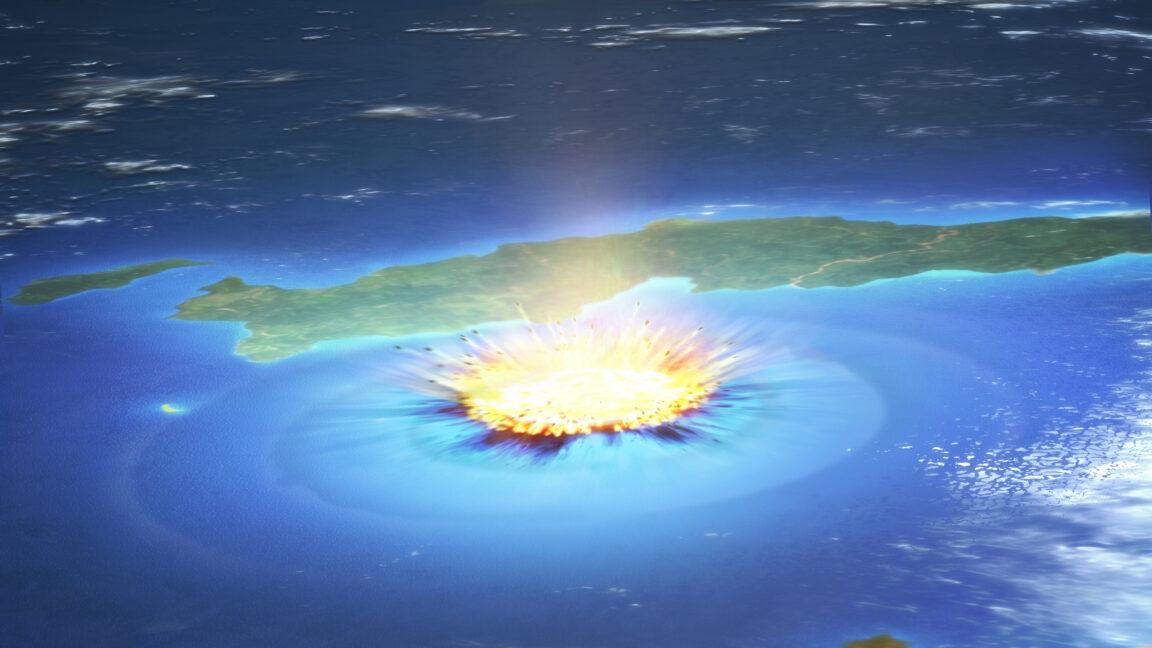
Dinosaur-killing impact crater may have harbored life
Research suggests that the Chicxulub crater could have been a life-sustaining environment after the asteroid impact that wiped out the dinosaurs.
 Science
SpaceX's Starship achieves first orbital launch
SpaceX successfully completed its 14th test flight of the Starship rocket, reaching Earth orbit. During this flight, 26 new Starlink satellites were deployed.
 Science
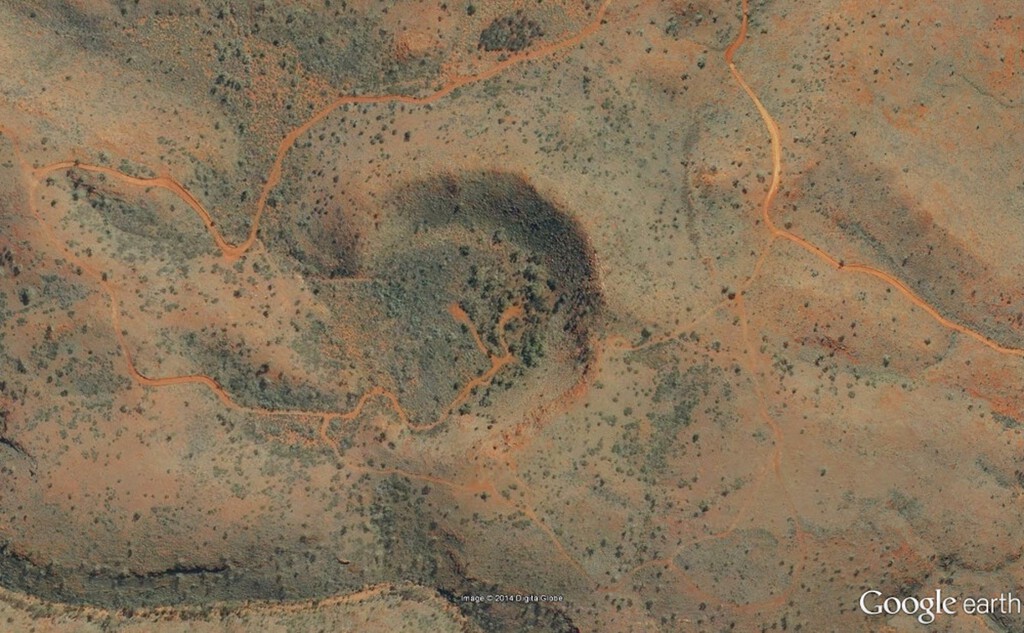
Ancient discovery on Google Earth: a mysterious circle
An Australian geologist discovers a perfect circle on Google Earth, potentially linked to a meteorite impact. This finding could unveil information about ancient events on Earth.