First AI-designed virus treatment administered to humans
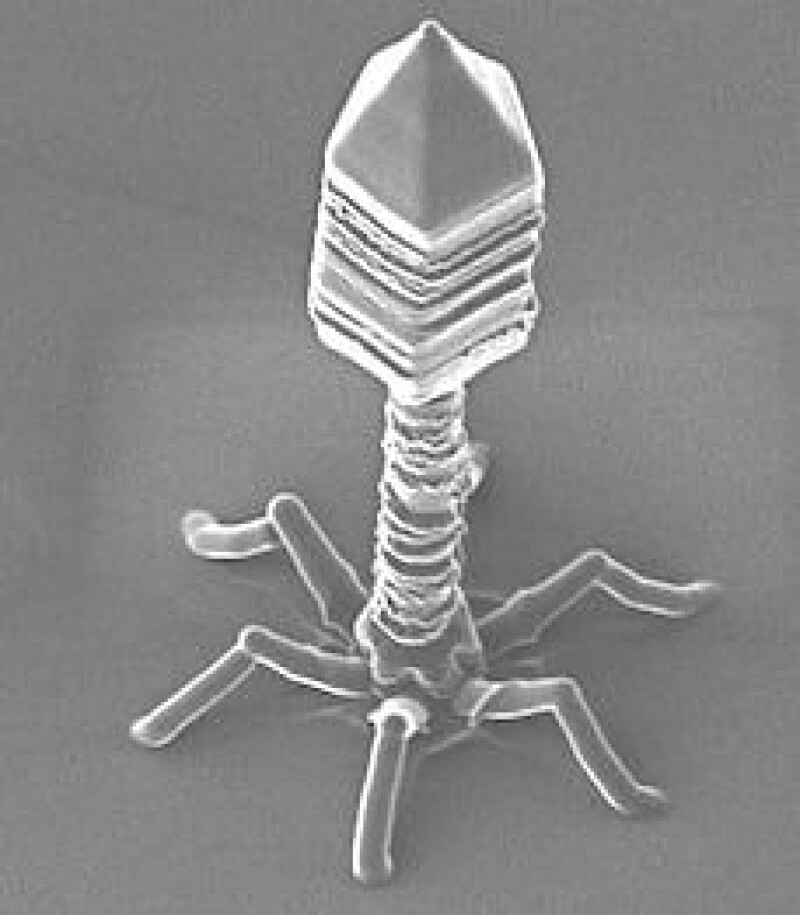
Researchers have administered an AI-designed virus to a patient, marking a milestone in the fight against resistant bacteria.
Researchers at Radical Numerics, an AI lab in San Francisco, have administered an AI-designed virus targeting bacteria to a human for the first time. This treatment was carried out under a compassionate-use agreement and utilizes a cocktail containing bacteriophages designed by an AI model called Omnii-1, which was recently unveiled by the company. This represents a significant evolution in the fight against bacterial infections, particularly as traditional antibiotics are becoming less effective due to bacterial resistance.
Why it matters
The use of bacteriophages as a treatment is not new, but applying artificial intelligence to design them opens up new possibilities in modern medicine. With the rise of antibiotic-resistant infections, finding effective alternatives is crucial for public health. This advancement could change the way we approach bacterial infections, offering a more targeted and personalized approach.
What we know
It has been confirmed that the treatment was administered, but researchers have not shared details about the results or the effectiveness of the treatment. The lack of information on how the process has gone leaves many questions unanswered regarding the safety and efficacy of this innovative approach.
What is still unclear
It is unclear how the patient has responded to the treatment or if any side effects have been observed. Additionally, Radical Numerics has not provided information on the next steps in their research or if they plan to conduct larger clinical trials in the future. The scientific community will be keenly watching for any updates that may arise from this pioneering experiment.
Read at the original source:
The Register →Related news
 Science
Nvidia hits quantum computing milestone with fewer qubits
Nvidia has simulated a 104-qubit quantum computing system using 90% fewer physical qubits. This breakthrough could revolutionize drug discovery and financial modeling.
 Science
Human Infection Reported for Shamonda Virus: What We Know
The first human case of the Shamonda virus has been reported, raising concerns among researchers. Investigations are ongoing to understand how the infection occurred and its potential link to the patient's death.
 Science
Helion develops semiconductors to boost fusion power output
Helion secures $225 million to speed up its fusion plant project. New semiconductors could double energy output.