Google launches first Suncatcher datacenter satellite
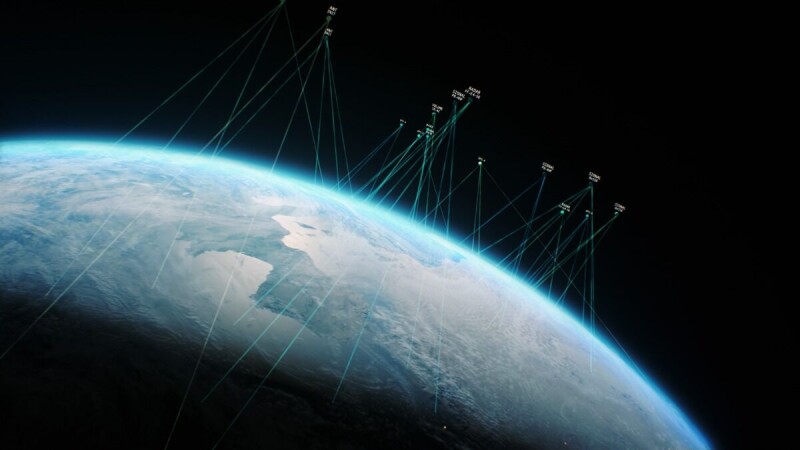
Google's Suncatcher satellite aims to test the viability of space-based servers. However, the company has expressed doubts about scaling this ambitious project.
Google has made a significant leap by launching its first datacenter satellite, dubbed Suncatcher, which aims to test the durability of its tensor processing units (TPUs) in space. This project seeks to explore whether the limitless solar energy available in space can facilitate the cost-effective operation of orbiting servers, although the company has indicated uncertainties regarding the scalability of this ambitious initiative.
## Why it matters The potential to operate datacenters in space could revolutionize how data management is approached globally. If the technical and economic challenges can be overcome, this could lead to long-term cost reductions and contribute to a more sustainable energy usage by harnessing abundant solar energy in space.
## What we know In its announcement, Google shared a peer-reviewed study outlining the many challenges that must be addressed for orbital datacenters to become a reality. This study, titled “Toward a future space-based, highly scalable AI infrastructure system design,” mentions that other players like SpaceX have suggested that the viability of these datacenters would significantly increase if launch costs drop to $200/kg.
## What remains unclear It has not yet been confirmed whether initial tests on the Suncatcher satellite will successfully demonstrate that TPUs can withstand the space environment. Additionally, the company has not detailed how it plans to tackle the numerous challenges outlined in its research, leaving many questions about the future of this type of infrastructure.
Read at the original source:
The Register →Related news
 Tech Business
Pokémon cards reach an investment milestone
Pokémon collectible cards have matched Nvidia in performance. This phenomenon highlights the unexpected value of unconventional assets.
 Tech Business
Europe questions control over its military technology: Palantir responds
Europe's reliance on U.S. military technology raises concerns about control over defense systems. Palantir claims that the Maven system cannot be deactivated.
 Tech Business
HPE's Technology Renewal Centre: Giving Old Tech a Second Life
HPE has opened its Technology Renewal Centre in Scotland, where outdated tech gets a new chance. This facility is a leader in e-waste processing in Europe.