How the 2008 crisis changed the US energy relationship

The 2008 economic crisis has shifted the perception of fossil fuels in the US regarding economic growth and environmental impact.
The 2008 economic crisis prompted a reevaluation of the role fossil fuels have played in the economic growth of the United States. While it has been argued that these fuels have driven development, it is also evident that the associated costs, such as damages from extreme weather events, are beginning to surface. The reliance on polluting energy sources has created a carbon debt that future generations will have to confront.
## Why it matters This shift in perspective is crucial as it allows us to understand that economic growth cannot come at the expense of the environment. As we face the consequences of climate change, it is vital to adopt cleaner energy alternatives that not only benefit the current economy but also ensure a livable planet for future generations.
## What we know The effects of the 2008 crisis have driven a shift towards more sustainable energy sources. It is recognized that fossil fuel-driven growth carries a high environmental cost that has not been sufficiently considered. The discussion on how to fund a cleaner energy future has become increasingly urgent.
## What is still unclear It remains unconfirmed how these changes will be implemented in long-term energy policy, nor what concrete measures governments will take to address this transition. Additionally, the magnitude of the environmental cost of past decisions remains uncertain.
Read at the original source:
Ars Technica →Related news
 Science
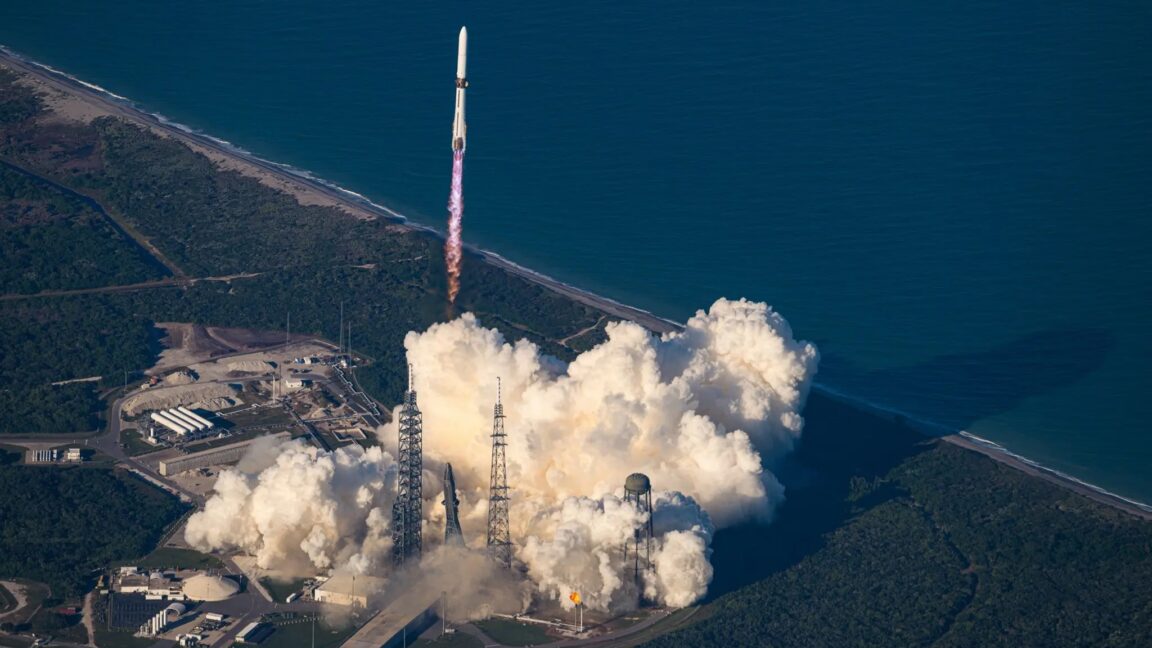
Pentagon seeks new spaceport by 2030 amid rising launch demand
The U.S. Space Force aims to establish a new spaceport within four years, but details of its location and land acquisition remain unresolved.
 Science
How to overcome stagnation in your workout
Professor Paul Hough explains how to manage workout stagnation. Understanding causes and solutions can prevent frustration.
 Science
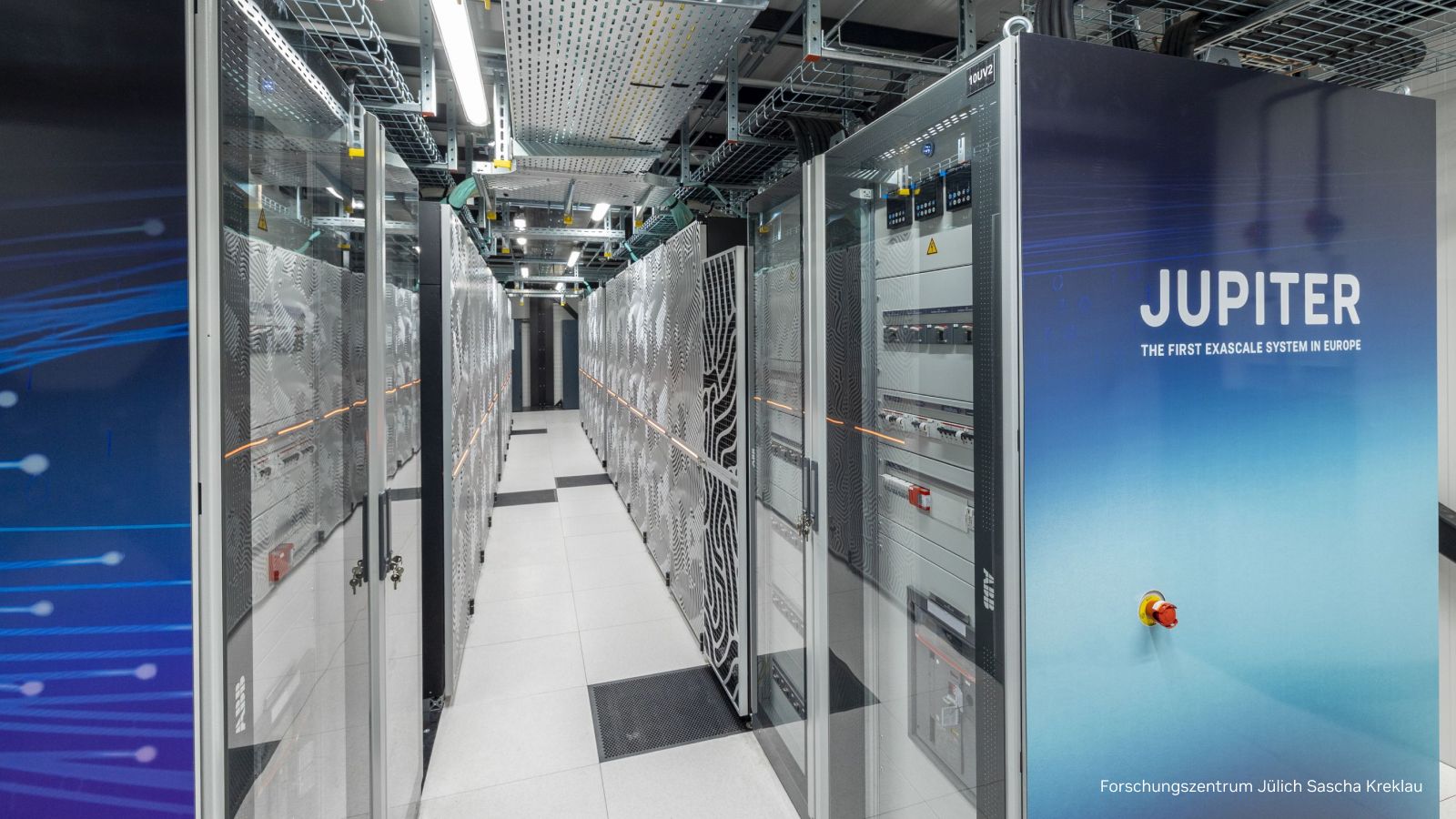
Nvidia hits quantum computing milestone with fewer qubits
Nvidia has simulated a 104-qubit quantum computing system using 90% fewer physical qubits. This breakthrough could revolutionize drug discovery and financial modeling.