Japan launches mission to retrieve samples from Martian moon Phobos
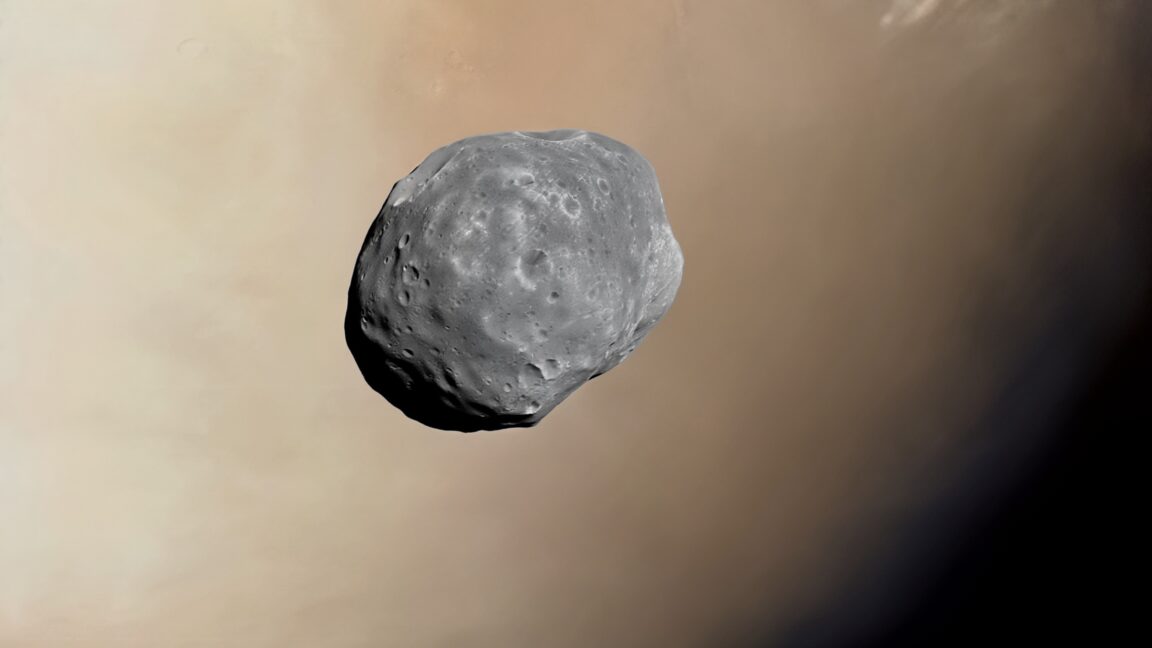
Japan embarks on an ambitious mission to collect samples from Phobos, Mars' largest moon. This project could provide new insights into the formation of the Solar System.
Japan has taken a significant step in space exploration with the launch of the Martian Moons eXploration (MMX) mission. This mission, with a budget of $578 million, aims to land on Phobos, the largest moon of Mars, and return samples to Earth. The launch took place from the Tanegashima Space Center, marking the beginning of a five-year expedition that promises to expand our understanding of the Solar System.
The MMX mission is notable not only for its goal of collecting samples but also for utilizing the new configuration of the H3 rocket. This rocket, Japan's main launch vehicle, has been enhanced for this mission, incorporating four additional solid rocket boosters and more powerful engines, highlighting the ambition behind this international effort.
Collecting samples from Phobos is crucial as these rocks may contain information about the history and formation of Mars, as well as the Solar System as a whole. This could help scientists better understand how planets and their satellites formed, as well as provide clues about the possibility of life on other worlds.
Why it matters
The MMX mission represents a milestone in space exploration and is a testament to the advancement of Japanese technology. By bringing back samples from Phobos to Earth, scientists will have the opportunity to study materials that have been exposed to space conditions for eons, potentially altering our understanding of planetary history.
Furthermore, this international effort could foster future collaborations in space exploration, setting a precedent for joint missions involving multiple nations and space agencies.
What we know
The launch of the MMX mission was successful and is set for a five-year journey. The mission is expected not only to land on Phobos but also to collect and bring back samples from its surface for analysis in laboratories on Earth.
What remains unclear
It is still unclear what specific types of samples will be collected or how the analyses will be conducted once the samples arrive on Earth. Additionally, the mission will face several challenges in space, including those related to landing and collecting samples in a low-gravity environment.
Read at the original source:
Ars Technica →Related news
 Science
Google Gemini 4 Argon solves nuclear fusion conjecture
Google's AI has extended mathematical solutions in nuclear fusion, challenging a 59-year-old conjecture.
 Science
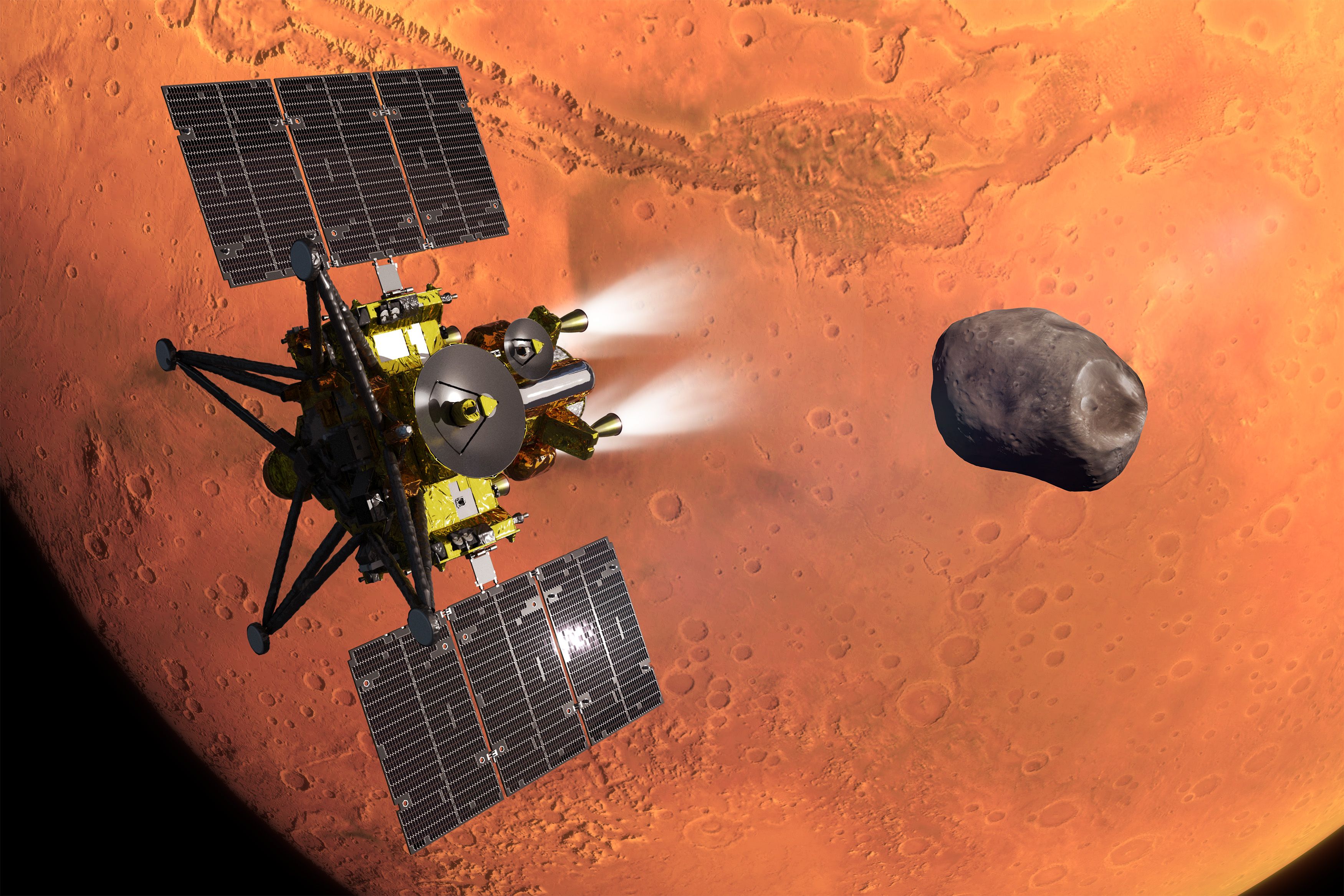
Japan’s MMX Mission Aims to Bring Back Martian Moon Samples
JAXA is leading an international effort to collect soil from Mars' moon, Phobos. This mission could provide new insights into the solar system's history.
 Science
Bats as allies in protecting crops in Vigo
A company in Vigo is using bats to protect forest crops. This ecological approach aims to improve forest health and productivity.