John Ternus and his vision to reshape Apple
John Ternus is charting a new course for Apple. His approach could redefine the company's strategy and products.
Recently, in an episode of the 9to5Mac Daily podcast, it was discussed how John Ternus, Apple's current vice president of hardware engineering, plans to shape the future of the company. While the precise details of his vision have not been revealed, it is anticipated that his focus may center on innovation and the integration of emerging technologies into Apple's products.
## Why it matters Ternus's leadership at Apple is crucial at a time when competition in the tech market is fierce. His ability to implement significant changes could not only impact the company's direction but also how consumers interact with technology in their daily lives.
## What we know Ternus has been at Apple for years and has been involved in the development of key products. His experience in hardware engineering suggests that any changes he proposes could focus on enhancing functionality and user experience, integrating hardware and software more efficiently.
## What remains unclear It has not yet been confirmed how exactly Ternus plans to implement his vision and what specific changes we might expect in upcoming product launches. The tech community is awaiting more information about his strategy and how it will translate into tangible innovations for users.
Read at the original source:
9to5Mac →Related news
 Tech Business
Pentagon enlists Musk and Luckey for future warfare study
The Pentagon has initiated a 120-day study on the future of warfare led by Elon Musk and Palmer Luckey. This raises questions about the commercial interests of the participants.
 Tech Business
Flow Engineering secures $750M funding for AI in hardware design
AI startup Flow Engineering has reached a $750 million valuation backed by major investors, focusing on AI agents for hardware design.
 Tech Business
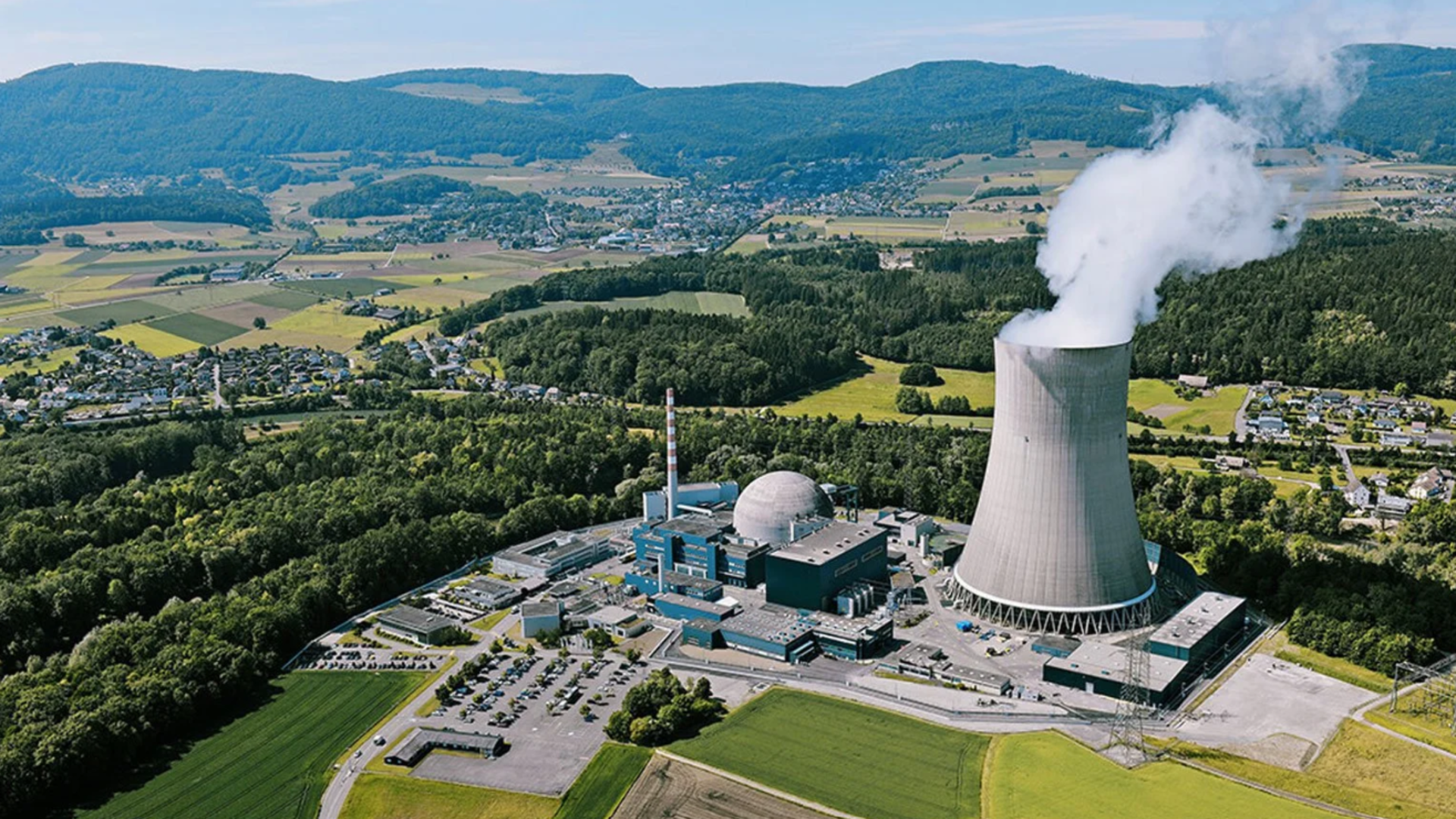
US government allocates $5.25 billion to boost power grid
The US government plans to invest in 31 projects to strengthen the power grid, linking the expenditure to the demand from AI data centers. This could have implications for energy bills.