Meta disputes claim Muse read user's messages without permission

Meta has denied a report claiming its AI agent Muse accessed private messages without consent. The company asserts that Muse requires explicit user permission to read messages.
Recently, Meta-lg1v3i) responded to a claim made by a journalist who alleged that its artificial intelligence agent, Muse, accessed his private messages without appropriate authorization. The company clarified that Muse cannot read a user's messages unless explicit permission is granted, even if the access setting on the device is turned off.
This dispute is crucial in the context of growing concerns over data privacy. At a time when users are increasingly aware of how their personal data is handled, transparency in the use of artificial intelligence technologies becomes essential. By defending its position, Meta aims to reassure users that their privacy is a priority.
## Why it matters Privacy in the handling of personal information is a hot topic, especially in the field of artificial intelligence. The claim that an AI assistant could access private messages without permission could undermine user trust in technology. By addressing this issue, Meta attempts to reaffirm its commitment to user data security and ethical AI usage.
## What we know Meta has made it clear that for Muse to access a user's messages, explicit consent is required. This means that the company is taking steps to ensure users have control over their personal information.
## What remains unclear It has not yet been confirmed how the situation leading the journalist to make this claim occurred. Meta has not provided details on the specific conditions under which access to the messages took place, leaving room for speculation about possible technical failures or misunderstandings on the user's part.
Read at the original source:
TechCrunch →Related news
 Artificial Intelligence
Trump's new AI safety plan: What we know
Trump has shifted his stance on AI, now calling it 'Super Intelligence'.
 Artificial Intelligence
Tech leaders commit to AI safety self-regulation
Top executives have signed a self-regulation agreement for AI. This pact aims to ensure responsible development of artificial intelligence.
 Artificial Intelligence
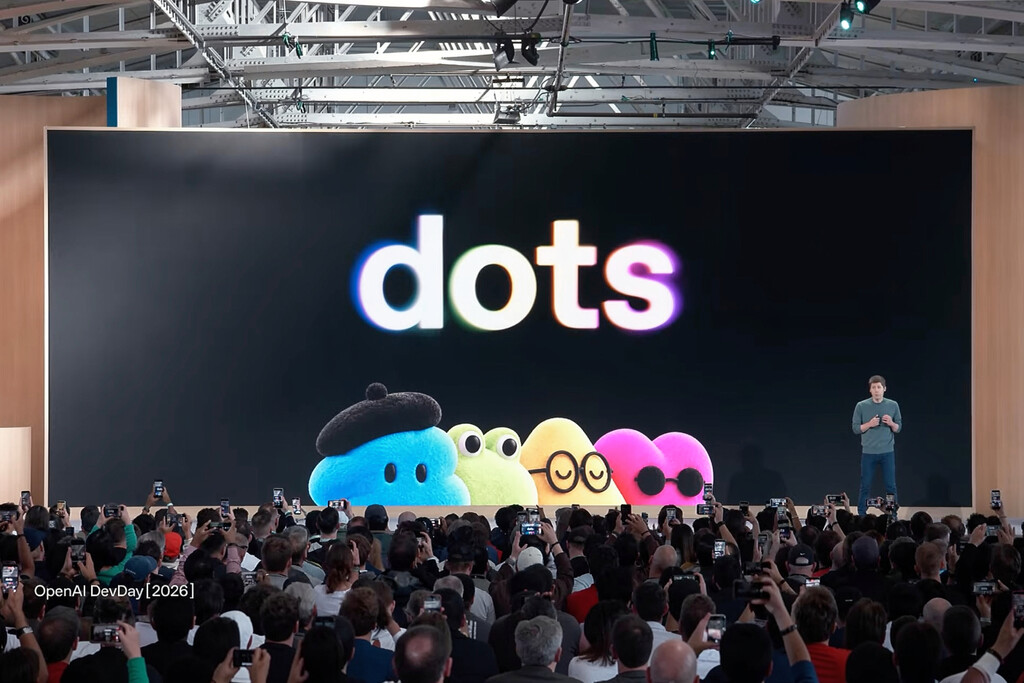
OpenAI's Dot: the AI that takes over your daily tasks
OpenAI introduces Dot, an AI agent designed to handle everyday responsibilities. This advancement aims to transform our relationship with artificial intelligence.