Mobile security alert: unexpected connections revealed
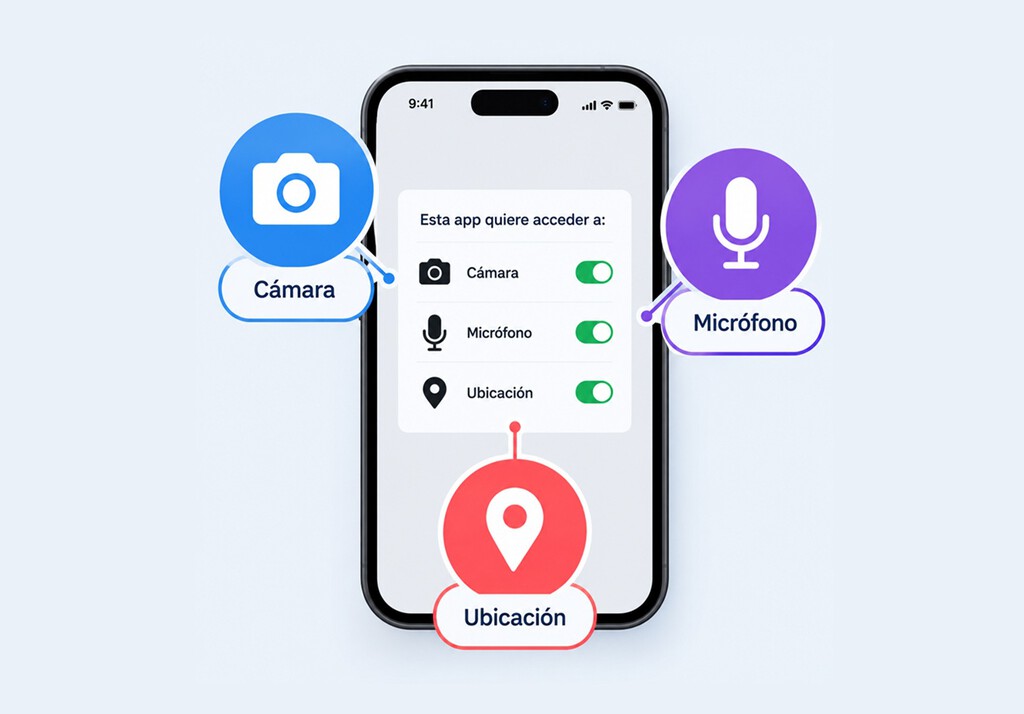
An engineer discovered his phone was communicating with an unknown domain at night. This highlights the importance of reviewing app permissions.
Recently, engineer Antonio Domenech Picó shared his concern after finding that his phone was communicating, unbeknownst to him, with an unknown domain in the early hours of the morning. This discovery sheds light on a growing issue in the digital age: the lack of control over the connections our devices make.
Domenech's situation is not an isolated case; more incidents related to data breaches and cybercrime are reported daily. While there is no need to succumb to alarmism, it is crucial to be aware of how our smartphones can serve as gateways to problems that previously didn't exist.
Why it matters
Such incidents underscore the importance of personal cybersecurity. Increasingly, our devices are exposed to risks that can compromise our privacy and security. Reviewing app permissions and being proactive in protecting our data is essential to avoid unpleasant surprises.
What we know
Engineer Antonio Domenech has called for awareness regarding the need to review app permissions on our mobile devices. He emphasizes that unauthorized connections can occur without users realizing it, raising serious questions about the security of the data stored on our devices.
What remains unclear
The specific circumstances that led to this communication between Domenech's phone and the unknown domain have not been detailed yet. It has not been confirmed whether this is a security issue with the device, a vulnerability in the app used, or if the domain in question is connected to malicious activities. This aspect is crucial for understanding the extent of the problem and how to prevent it.
Read at the original source:
Xataka Móvil →Related news
 Security
AI Effectively Targeting Cybercriminals
Anti-cybercrime initiatives are leveraging AI to trick scammers into interacting with lifelike bots, thinking they are real victims.
 Security
Typosquatting opportunities in Chromium browsers
Researchers warn about new typosquatting techniques in browsers like Chrome and Edge. Two specific characters could mislead users into trusting fake URLs.
 Security
Challenges of switching 2FA services
Switching two-factor authentication services can be complicated and frustrating. A user's experience highlights the importance of 2FA in online security.