Neandertal injured: care and violence in the Paleolithic
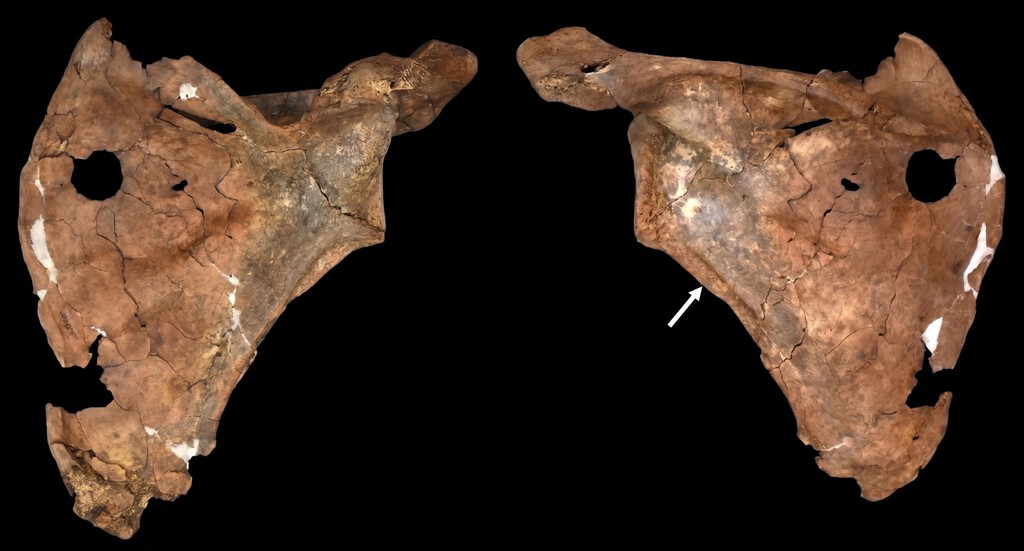
A finding in Shanidar cave reveals that Neanderthals cared for their injured. This suggests social complexity in their behavior.
Recent research in the Shanidar cave, located in Iraqi Kurdistan, has revealed that 75,000 years ago a Neanderthal met a violent death from a spear. The victim, known as Shanidar A, showed a perforation in his left scapula, indicating the impact of a sharp weapon. This finding not only demonstrates the existence of violence in the Middle Paleolithic but also a surprising aspect: the care for the injured and dead among Neanderthals.
The analysis of bone fragments and fractures around the 15-millimeter hole in the scapula has allowed researchers to reconstruct the weapon's trajectory. The projectile penetrated from above, passing through the left lung and possibly affecting major arteries, suggesting that the injury was fatal. However, the fact that they cared for the injured adds a new dimension to the understanding of these hominids' social life.
## Why it matters This discovery is significant as it challenges the common perception of Neanderthals as primitive and brutal beings. Evidence of care for the injured suggests that they possessed a degree of empathy and social bonds more complex than previously thought. Such behavior could indicate social evolution in hominids.
## What we know It has been confirmed that Neanderthal Shanidar A suffered a fatal injury caused by a spear, indicating the existence of lethal violence in his time. Additionally, the care for the injured suggests advanced social practices among these hominids, which could change our understanding of their behavior.
## What remains unclear It has not yet been confirmed how Neanderthal society was organized around these care practices. Research is ongoing to better understand the social dynamics and context in which Neanderthals cared for their injured and dead.
Read at the original source:
Xataka →Related news
 Science
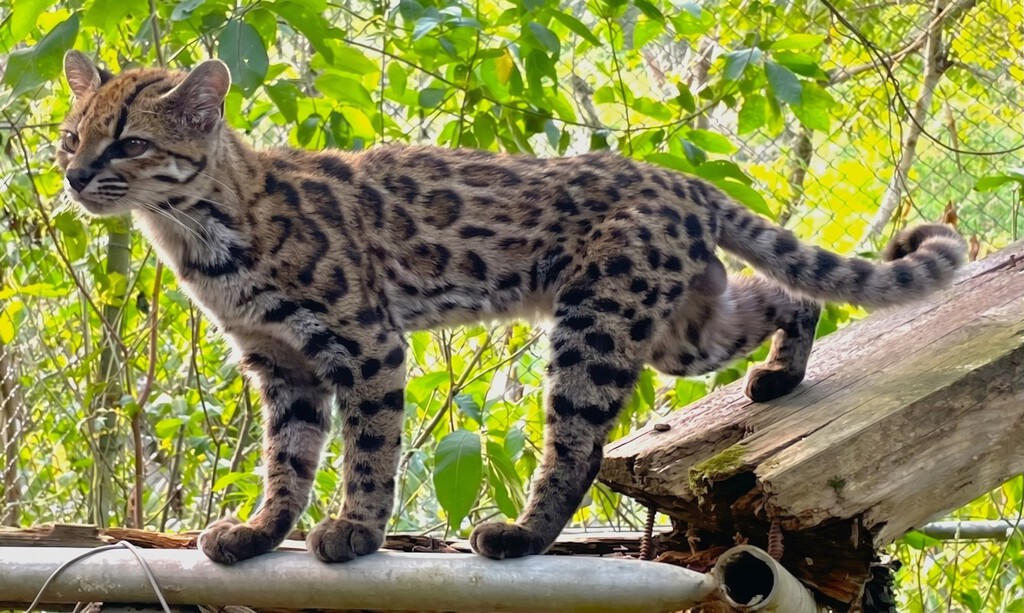
New cat species discovered for the first time in over 100 years
A new cat species, Leopardus tilcayo, has been identified after more than a century without new discoveries. This finding highlights the unknown diversity in feline fauna.
 Science
China discovers a time capsule of iron on the Moon
China's Chang’e 6 mission has found gamma iron on the Moon, a surprising discovery that could provide new insights.
 Science
Startup develops compact nuclear fusion devices for reactors
A startup is working on miniature nuclear fusion devices to improve reactor efficiency. This advancement could be crucial for clean energy in the future.