New Ban Flock Act introduced to curb surveillance camera use
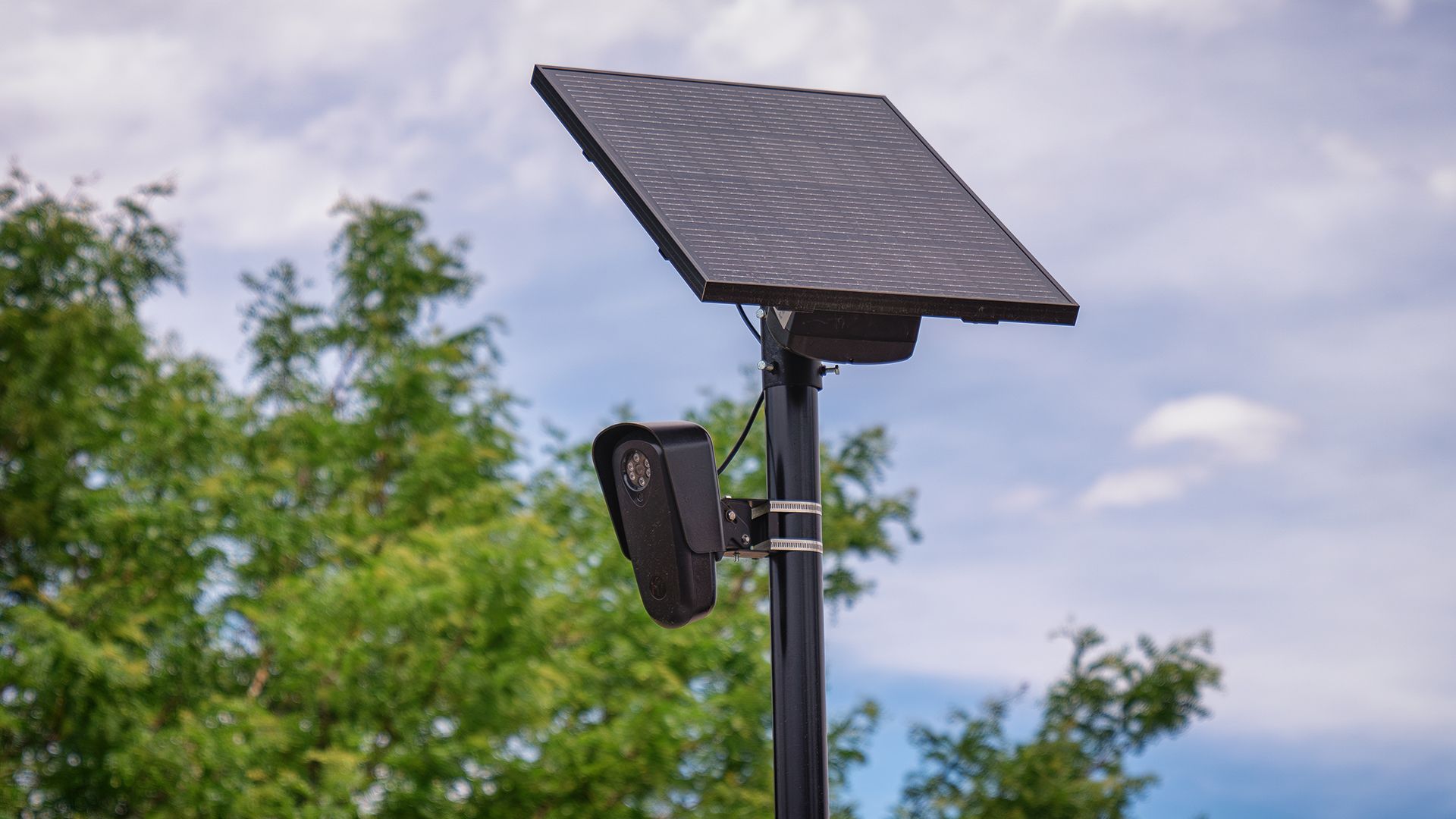
The Ban Flock Act has been introduced in the U.S. Congress to prohibit the use of surveillance cameras, addressing privacy concerns. This proposal covers all automatic license plate readers, not just those from Flock.
Recently, a group of U.S. lawmakers led by Senators Bernie Sanders and Jeff Merkley, along with Representative Alexandria Ocasio-Cortez, introduced the Ban Flock Act in Congress. This legislative proposal aims to curb the use of surveillance camera systems, specifically automatic license plate readers (ALPRs), due to growing concerns about citizen privacy.
The bill does not limit itself solely to Flock cameras but encompasses all ALPRs, prohibiting federal agencies from acquiring, possessing, accessing, or using such devices. However, the legislation allows for exceptions that could be approved by Congress, such as for toll collection, indicating a nuanced approach to surveillance technology use.
## Why it matters The introduction of the Ban Flock Act is significant in a context where technological surveillance has become ubiquitous, sparking a debate about citizens' privacy rights. This type of legislation could set an important precedent in protecting personal privacy against the expansion of state surveillance.
## What we know The proposed legislation limits data retention to 48 hours, indicating an effort to minimize the collection and prolonged storage of sensitive information. This could help mitigate the risk of data being misused or poorly managed.
## What remains unclear It remains unconfirmed whether the Ban Flock Act will garner the necessary support to advance through the legislative process. Additionally, details on how the proposed exceptions will be implemented are not yet clear, which could influence the law's effectiveness in practice.
Read at the original source:
TechRadar →Related news
 Security
Dangerous Android permissions you should avoid
Permissions on Android can be risky, especially lesser-known ones. Understanding them is key to protecting our data.
 Security
Apple changes macOS privacy settings to prevent AI misuse
Apple updates its macOS privacy settings to prevent third-party apps from misusing access to sensitive data. This move follows a concerning incident involving Meta's AI agent Muse.
 Security
Apple limits Mac disk access due to AI risks
Apple will introduce new restrictions on full disk access for Mac to address the risks posed by AI agents. This move aims to enhance user privacy against unauthorized access.