New evidence supports Egyptian 'retainer sacrifice'
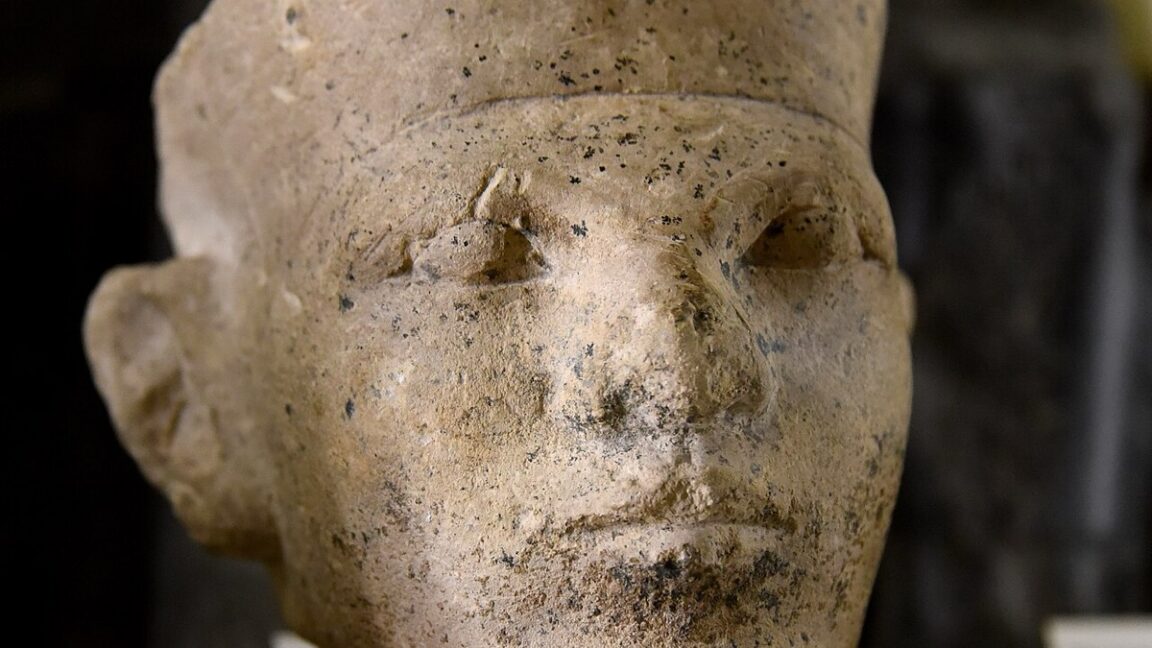
A recent study suggests that some servants were sacrificed in ancient Egypt. This sheds new light on the burial practices of the early pharaohs.
The debate surrounding human sacrifice in ancient Egypt, particularly during the First Dynasty, has long been a contentious topic among Egyptologists. A new study has reignited this discussion by analyzing a collection of skulls excavated in the 1920s, revealing that over one-third of these show signs of blunt force trauma, suggesting they may have been victims of 'retainer sacrifice'.
The term 'retainer sacrifice' refers to the practice of burying servants and officials alongside pharaohs to serve them in the afterlife. This concept has been a subject of speculation for a long time due to the lack of archaeological evidence, as many of the earliest tombs were plundered or hastily excavated.
## Why it matters This finding is significant because it offers new insights into the beliefs and burial practices of one of the world's oldest civilizations. The notion that pharaohs were accompanied in death by their servants not only reinforces the power and divinity of these rulers but also highlights the complexities of Egyptian society as a whole.
## What we know The research was published in the journal Frontiers in Environmental Archaeology and was conducted by Roselyn Campbell, a bioarchaeologist at Purdue University. She has been intrigued by the topic of human sacrifice and how violence is perceived in different cultures throughout history. This study provides a scientific basis supporting the idea that human sacrifice was part of funerary rituals in ancient Egypt.
## What remains unclear Despite the new evidence, much remains to be investigated. The lack of systematic excavations and the destruction of many archaeological sites limit the full understanding of these practices. Additionally, the cultural context and reasons behind these sacrifice decisions remain an open area of study that requires further exploration.
Read at the original source:
Ars Technica →Related news
 Science
Exercise: Does it prevent or trigger migraines?
Exercise can trigger migraines in the short term but has been shown to prevent them in the long term. Finding the right dosage is key to maximizing its benefits.
 Science
China's peculiar training for its lunar mission revealed
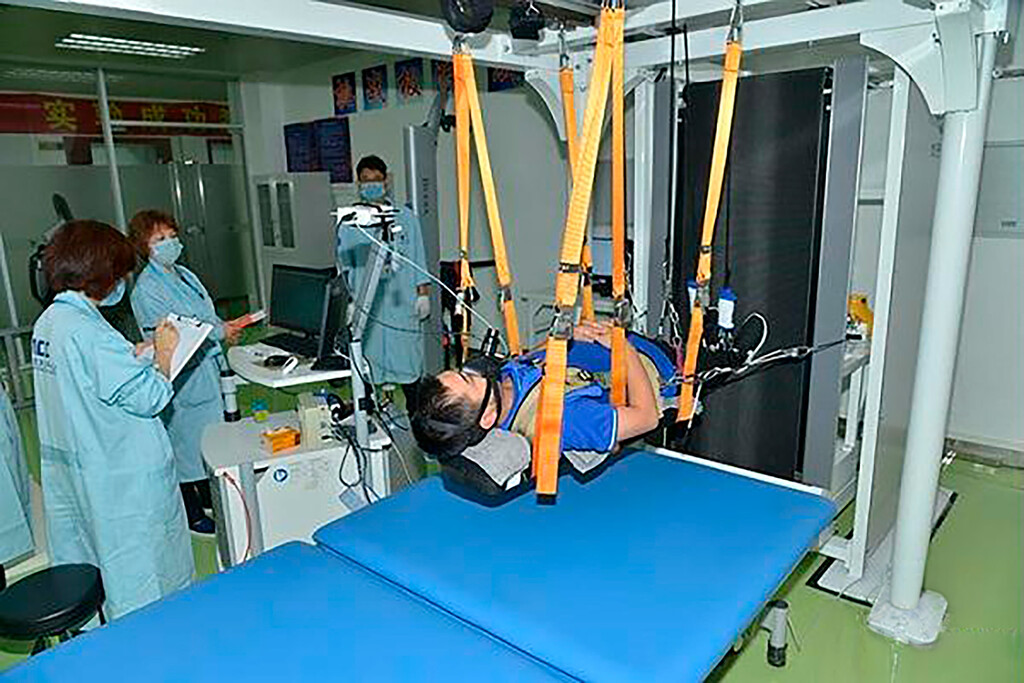
China is developing an innovative training method to prepare for its lunar mission, simulating life in low-gravity conditions. This approach aims to equip astronauts for the challenges of living on the Moon.
 Science
Beer doesn't cure hangovers, it prolongs them
A study reveals that beer is not a remedy for hangovers. Dehydration is the main cause of this discomfort.