Organizing AI Use for Work, Home, and Casual Life
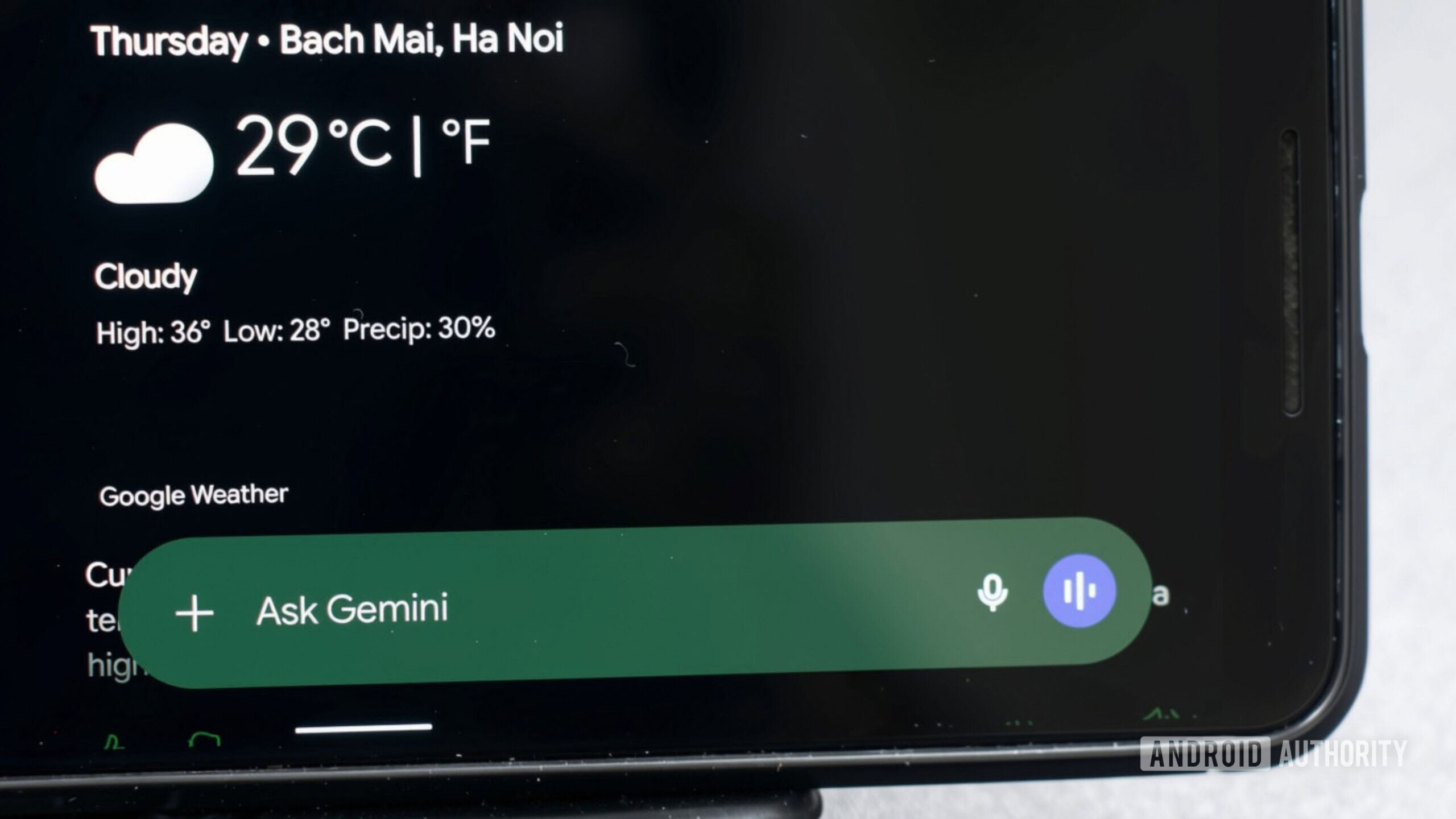
The rise of AI models has complicated effective usage. A divided approach could be the solution.
The recent explosion of AI language models (LLMs) has transformed how we interact with technology, promising to simplify our lives. However, this abundance has created a new kind of chaos, where users find themselves overwhelmed by multiple AI tabs and applications open simultaneously. This situation has led many to rely on these tools, despite the disorganization they can cause in task management.
One user has shared their experience of trying to organize their use of different AI models, such as Claude, Gemini, and ChatGPT, by categorizing their use into work, home, and leisure. While this approach has proven effective for productivity, it has also resulted in messy conversations and communication confusion, highlighting the difficulty of maintaining a clear context when jumping between different platforms.
Why it matters
The need to organize the use of AI tools becomes critical in an environment where these applications have become essential for daily life. Learning to manage these interactions can enhance efficiency and reduce user frustration, which is vital in an increasingly digital work environment.
What we know
The user has acknowledged that their method of switching between different AI models has allowed them to complete tasks, but it has also caused inconveniences due to the mixing of contexts. This experience reflects a common dilemma among AI users, where the versatility of these tools can lead to complicated situations if not managed properly.
What remains unclear
It is still unclear whether there are more effective methodologies for organizing the use of multiple AI models that could help users avoid confusion and improve communication. The search for a balance between productivity and clarity in the use of these tools continues to be a challenge.
Read at the original source:
Android Authority →Related news
 Artificial Intelligence
Anthropic proposes AI safety bill potentially blocking risky models
Anthropic has pitched a safety bill that could restrict the release of AI models deemed dangerous. The measure requires judicial approval to block models that could risk human lives.
 Artificial Intelligence
Anthropic's Cloud Partnerships Face Significant Challenges
Anthropic is struggling to secure computing resources from cloud providers.
 Artificial Intelligence
Google Joins Amazon in Challenging Nvidia's AI Dominance
Google has launched a tool to help PyTorch developers move their apps off Nvidia GPUs. This move aims to diversify the AI ecosystem.