Pancreatic cells could treat diabetes with genetic tweak
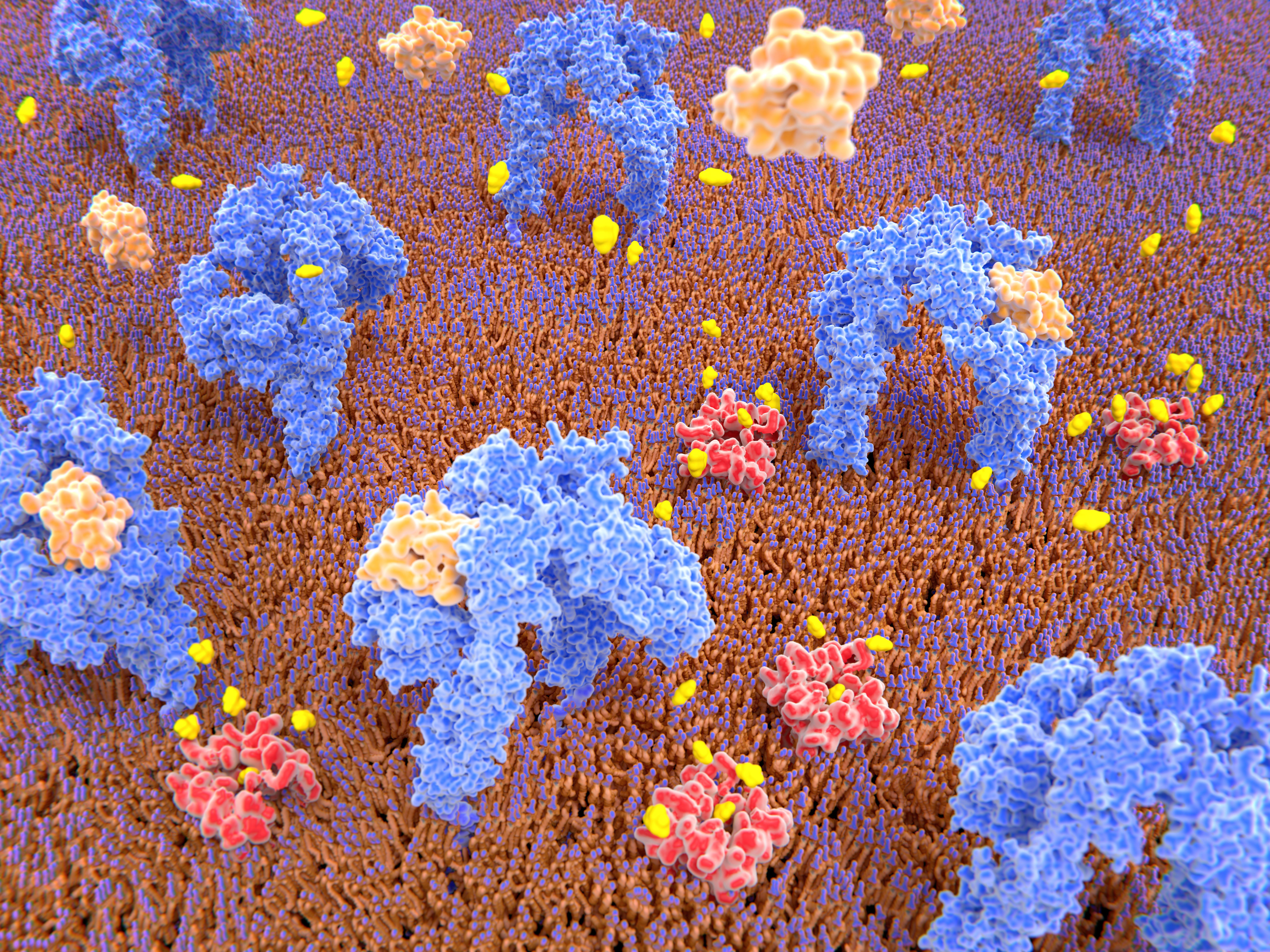
Researchers found that by deactivating a gene, pancreatic duct cells can produce insulin. This discovery opens new avenues for diabetes treatment.
Researchers have made a significant breakthrough in diabetes treatment by discovering that certain cells in the pancreatic ducts can be induced to produce insulin through a simple genetic modification. By deactivating a specific gene, scientists were able to enable these cells to regulate blood sugar levels, which could revolutionize the current approach to managing this chronic disease.
## Why it matters This finding is crucial as diabetes affects millions of people worldwide, and finding new ways to control the disease is essential for improving patients' quality of life. The ability to harness the pancreas's own cells to produce insulin could reduce reliance on external treatments like insulin injections.
## What we know So far, studies have shown that by deactivating a particular gene, insulin production can be activated in cells that typically do not perform this function. This approach could lead to new therapies that utilize cellular biology to treat diabetes more effectively.
## What is still unclear However, it is not yet confirmed to what extent this technique can be applied in humans or if it presents any long-term risks. The research is in its early stages, and further studies are needed to fully understand the implications of this genetic modification in diabetes treatment.
Read at the original source:
Wired →Related news
 Science
X-energy progresses on its nuclear plant in Tennessee
X-energy has completed the main structure of its nuclear fuel plant in Tennessee, marking a milestone in the industry. This facility could produce 700,000 TRISO fuel pebbles annually.
 Science
The Science Behind Our Choices and Their Impact
From how we eat to the reintroduction of species, science reveals surprising patterns.
ScienceAre you a 'chewer' or a 'smasher'? Discover your eating style
The way we process food influences our preferences significantly. Different eating styles can affect our perception of taste and satiety.