PISA 2025 Results: A Measurement Error?
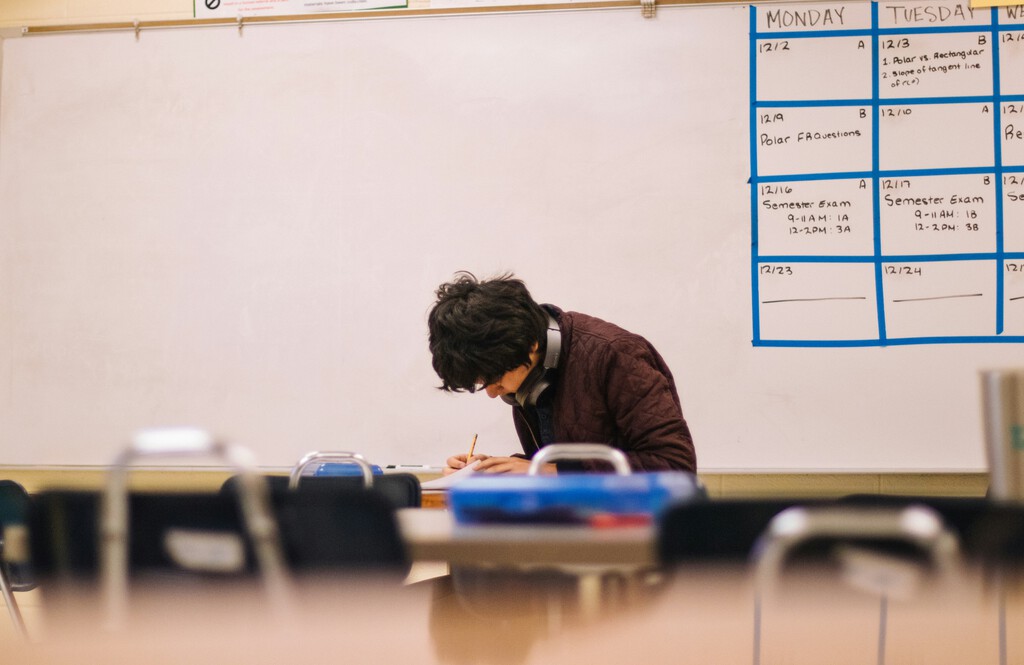
The latest PISA report revealed a decline in academic performance among wealthy students, potentially due to a change in evaluation methodology.
The PISA program, which assesses the academic performance of 15-year-olds, has sparked significant controversy following its recent results release. In 2022, questions regarding students' socioeconomic backgrounds focused on ownership of classic and science books, while in 2025, the emphasis shifted to factors like having a swimming pool or guest rooms. This change has led to interpretations suggesting that students from affluent families have experienced a notable drop in performance, surprising educators and analysts alike.
Why it matters
Misinterpretation of these data could have profound implications for educational policies and the perception of the educational state across different socioeconomic strata. A measurement error could divert attention from the real challenges faced by students and their families, complicating the implementation of effective solutions.
What we know
PISA results indicated a historic drop in average scores in reading, mathematics, and science, not only in Spain but also across the OECD. Specifically in Spain, a decline of 23 points in reading and 16 in mathematics was reported, prompting a deep analysis of the causes behind these outcomes.
What remains unclear
It has not yet been confirmed whether the decline in performance among wealthy students is a true reflection of educational reality or merely an effect of the change in PISA methodology. The OECD has not detailed how this shift in questioning may have influenced scores, leaving the discussion about the validity of the results open.
Read at the original source:
Xataka →Related news
 Tech Business
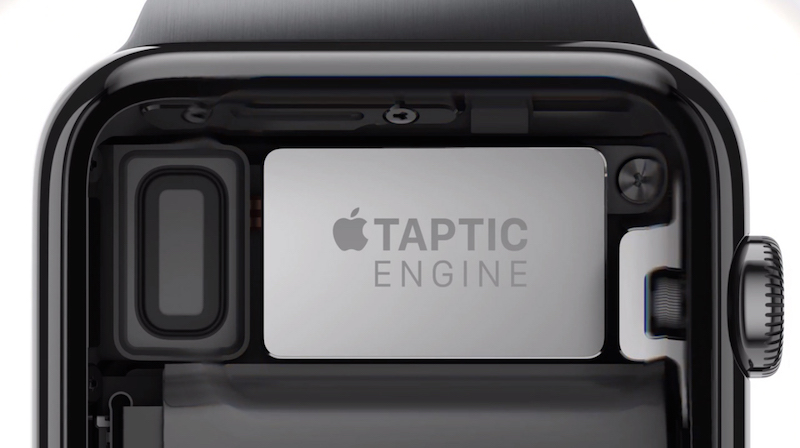
Apple Ordered to Pay $5.7 Billion for Patent Infringement
A federal jury has ruled Apple must pay $5.7 billion to Taction Technology over patent infringement. This ruling emphasizes the importance of intellectual property rights in technology.
 Tech Business
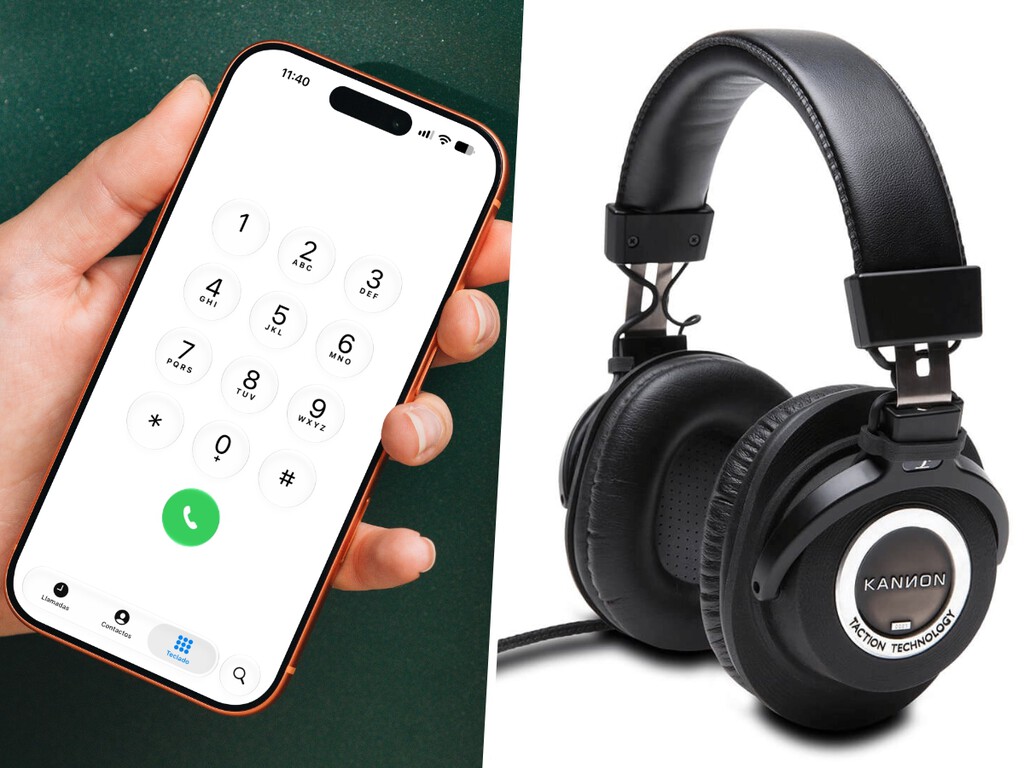
Apple sued for $5.7 billion over iPhone vibrator technology
Apple faces a massive lawsuit regarding the haptic feedback technology in its devices. The company is accused of copying gaming headphone technology.
 Tech Business
Open Source Datacenters and Environmental Impact
The datacenter industry is facing growing criticism for its environmental footprint. A new approach is needed to tackle these issues.