Preparing for Rosetta's removal in macOS 27
The upcoming macOS 27 will automatically remove Rosetta, affecting legacy Intel software. Companies need to prepare for this change.
The new macOS version, known as Golden Gate, brings significant changes, including the automatic removal of Rosetta. This tool has been essential for allowing applications designed for Intel processors to run on Apple Silicon devices. However, with the arrival of macOS 27, organizations that rely on legacy software must be prepared to face the challenges this transition may bring.
## Why it matters The removal of Rosetta marks another step in Apple's transition to its own processor architecture. For companies still using applications designed exclusively for Intel, this poses a significant risk if proper measures are not taken. Users may experience compatibility issues that disrupt their workflows.
## What we know It has been confirmed that Rosetta will be removed upon installing macOS 27, meaning organizations need to act quickly. Many IT administrators are starting to plan the transition, assessing the software they still depend on Intel processors and looking for native alternatives for Apple Silicon.
## What remains unclear It is still unclear how this will affect specific applications that have not yet been updated to work on Apple Silicon. It is also uncertain what strategies companies dependent on legacy software will adopt and how they will adapt to this transition.
Read at the original source:
9to5Mac →Related news
 Software
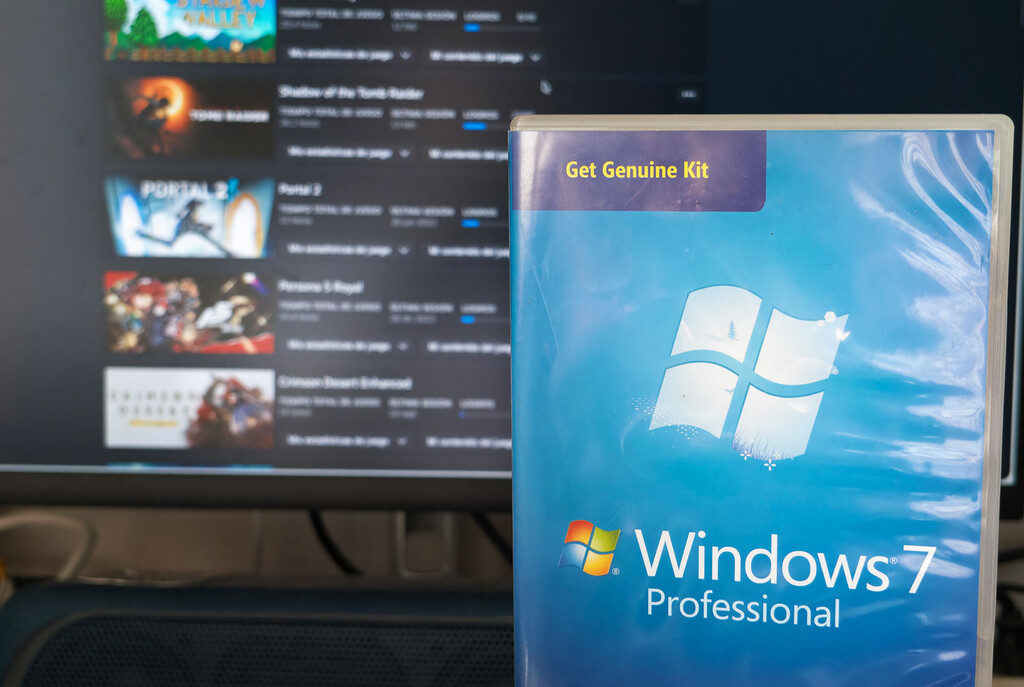
Windows 7 still competes with Windows 11 in gaming
Despite its age, Windows 7 shows its worth in gaming against Windows 11. A recent study reveals that both operating systems can deliver similar performance in demanding games.
 Software
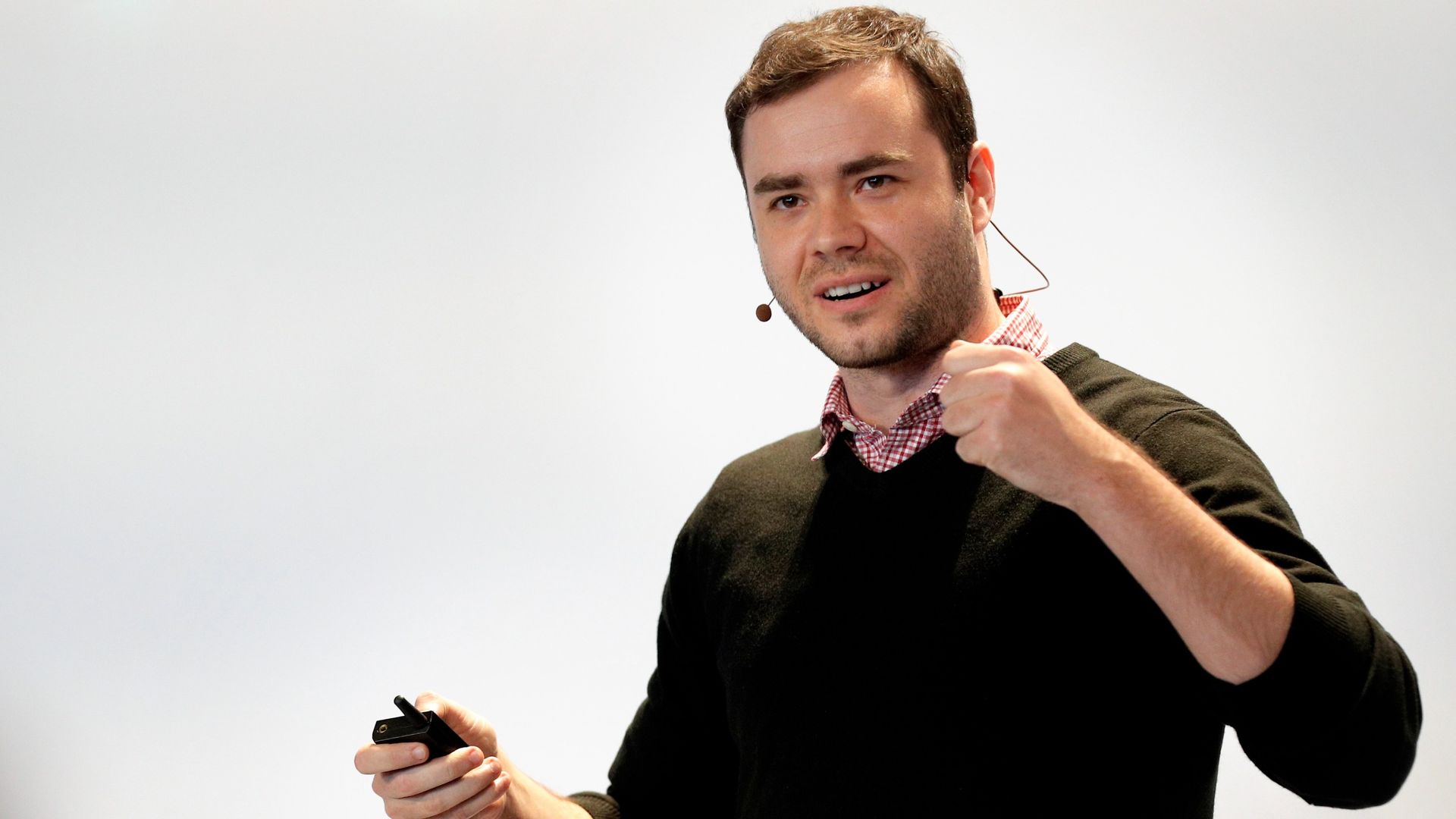
Andrej Karpathy: English as the new programming language
Andrej Karpathy, co-founder of OpenAI, claims that English is becoming the new programming language in the AI era. This marks a significant shift in software development.
 Software
Ryan Dahl leaves Deno to work on Cloudflare Workers
Node.js creator Ryan Dahl joins Cloudflare after the acquisition of his company Deno, which will be discontinued.