Renewable diesel makes its way into mining in Spain
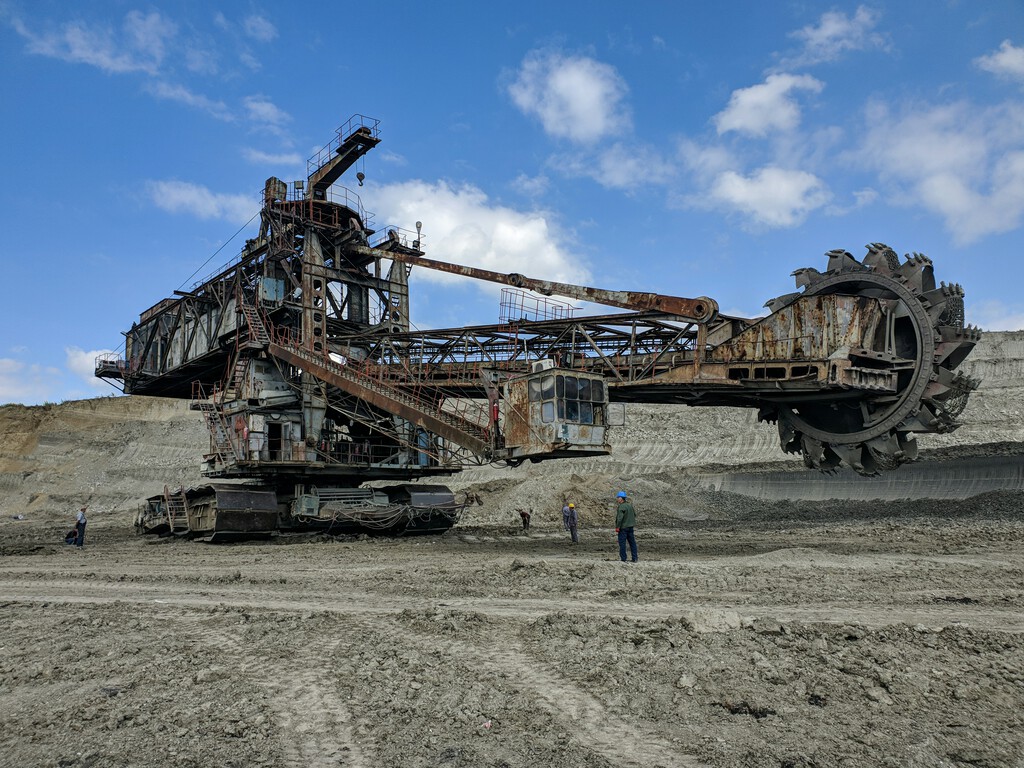
A new renewable biofuel will be implemented in the Spanish mining sector, reducing CO2 emissions.
Amidst significant challenges in the diesel industry, a new renewable fuel promises to revitalize its use in heavy sectors without the need for modifying existing engines. This 100% renewable diesel, known as HVO, will be used in the Iberian Belt West (IBW) mining project in Huelva, marking a pioneering agreement in Spanish mining.
This biofuel, produced by the company Moeve at its Palos de la Frontera plant, is expected to prevent over 2,000 tons of CO2 emissions from entering the atmosphere. This initiative not only aims to reduce the environmental impact of mining, a traditionally polluting sector, but also represents a step towards the decarbonization of the industry as a whole.
Why it matters
The adoption of renewable fuels like HVO is crucial in the fight against climate change. This type of biofuel offers a viable alternative that can be implemented without the need for significant investments in new machinery, facilitating its adoption in sectors where change is more complicated.
Moreover, this initiative could set a precedent for other heavy industries looking to reduce their carbon footprint and comply with increasingly strict environmental regulations.
What we know
The project in Huelva exemplifies how companies can innovate and adapt to new environmental demands using resources that are already available. Moeve's production of HVO marks a significant step towards sustainability in mining, and this plant is expected to produce enough biofuel to supply the heavy machinery for the IBW project.
What remains unclear
Details regarding the total production capacity of Moeve's new plant and the timelines for its construction have yet to be revealed. Additionally, it has not been specified how this fuel will be integrated into other mining operations or to what extent its use could be expanded to other industries in the future.
Read at the original source:
Xataka →Related news
 Science
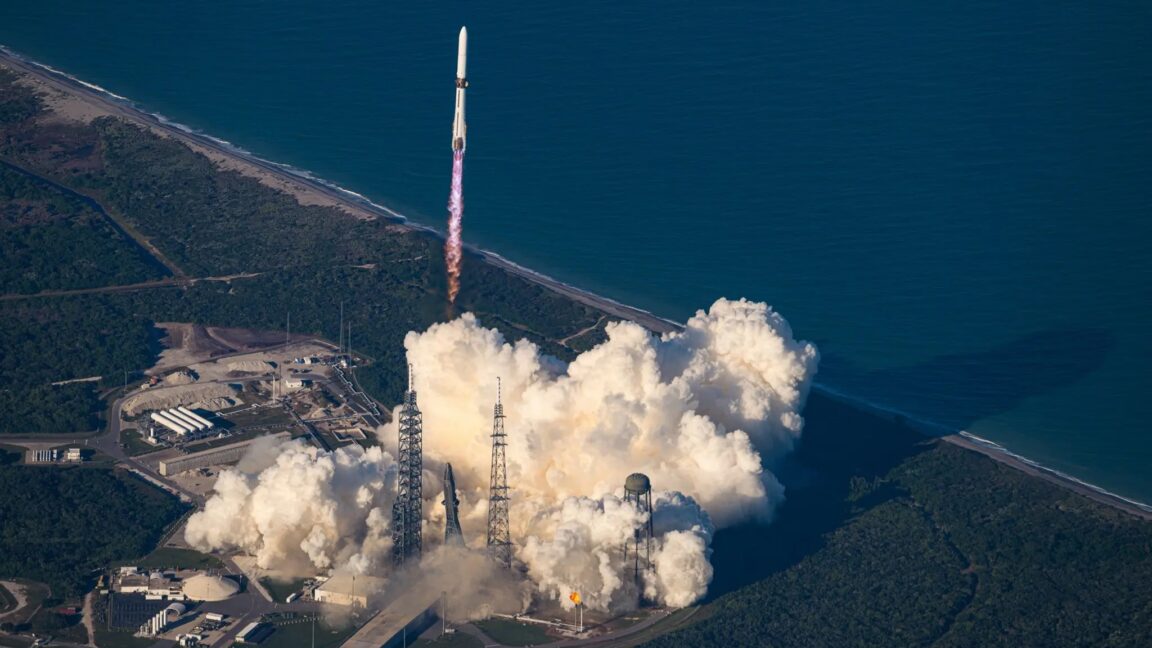
Pentagon seeks new spaceport by 2030 amid rising launch demand
The U.S. Space Force aims to establish a new spaceport within four years, but details of its location and land acquisition remain unresolved.
 Science
How to overcome stagnation in your workout
Professor Paul Hough explains how to manage workout stagnation. Understanding causes and solutions can prevent frustration.
 Science
Nvidia hits quantum computing milestone with fewer qubits
Nvidia has simulated a 104-qubit quantum computing system using 90% fewer physical qubits. This breakthrough could revolutionize drug discovery and financial modeling.