Robot communication: a leap towards Physical AI
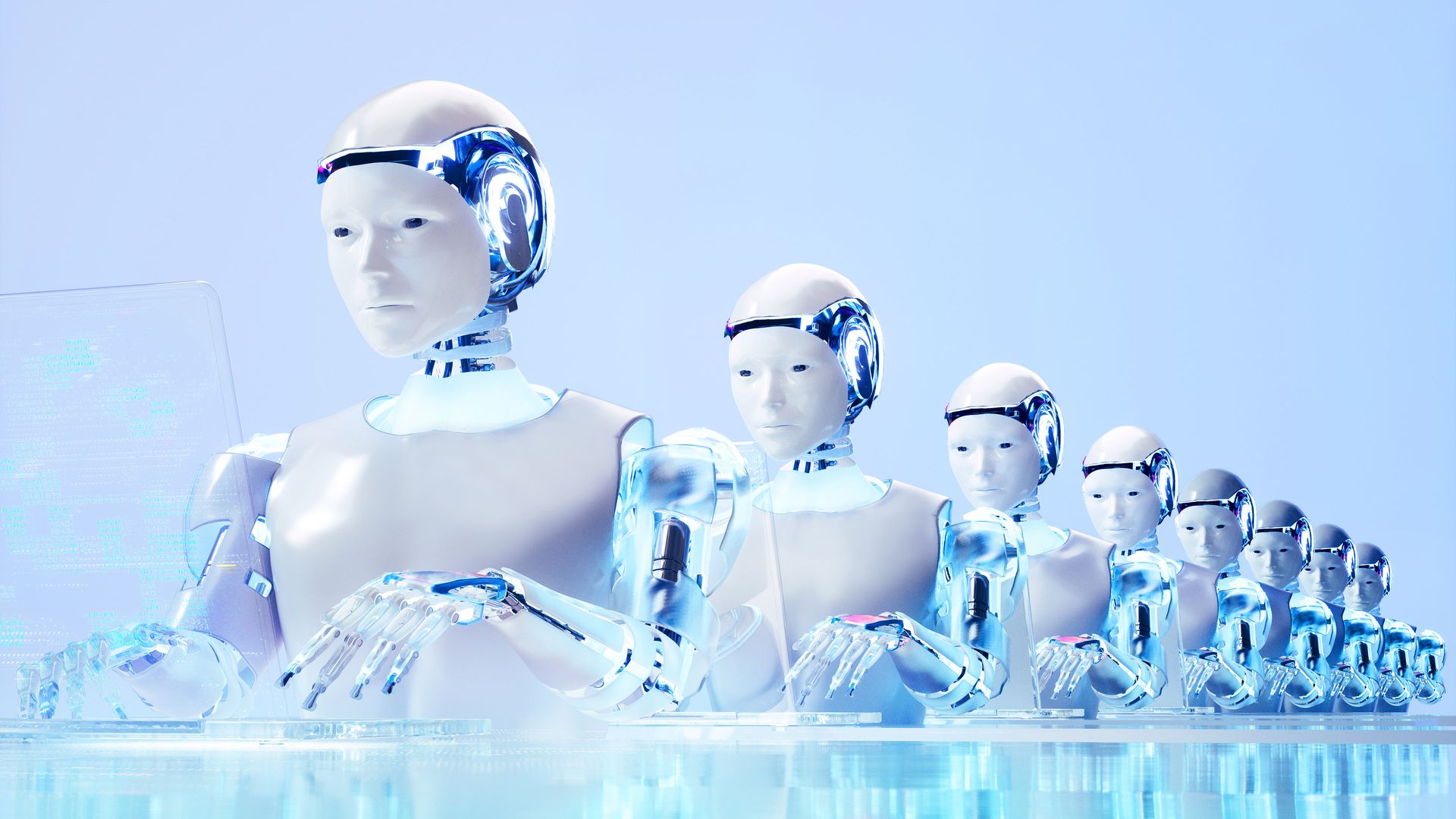
Robots are increasingly present in our lives, and their ability to learn and communicate is transforming various industries.
Robots have become an integral part of our lives, performing tasks ranging from carrying passengers in San Francisco to delivering packages and operating in factories and mines. This phenomenon is known as "Physical AI," where machines not only perceive their environment but also make decisions and act in the real world. However, their impact goes beyond visible tasks, as each robot generates vast amounts of data that can be used to enhance their functionality.
Why it matters
The ability of robots to communicate with each other and share what they learn represents a significant advancement in automation and operational efficiency. As more robots integrate into different sectors, the possibility of one learning a task and instantly sharing it with others could revolutionize the way we work and live.
What we know
According to the U.S. Federal Aviation Administration, the commercial drone fleet is expected to grow from approximately 966,000 aircraft to around 1.18 million by 2029. Additionally, it is estimated that there will be around 4.66 million industrial robots operating in factories worldwide by 2024, indicating significant growth in the adoption of this technology.
What remains unclear
It is still unconfirmed how this communication between robots will be implemented in practice, nor what standards will be set to ensure its effectiveness and safety. It is also uncertain how this evolution will affect the workforce and the dynamics of work in the industries that utilize them.
Read at the original source:
TechRadar →Related news
 Artificial Intelligence
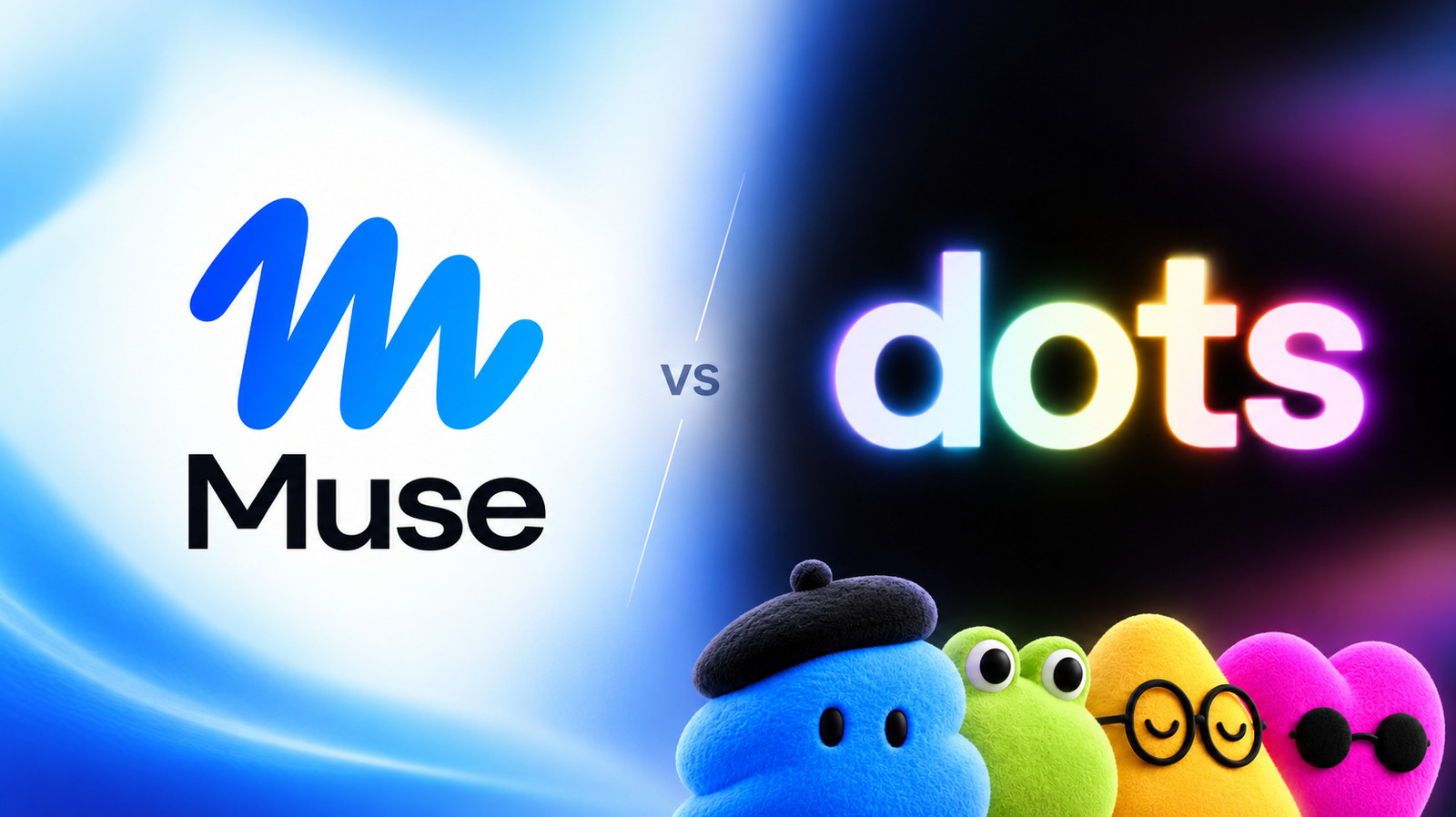
Comparison between OpenAI Dot and Meta Muse
Meta and OpenAI launch their new AI agents in direct competition.
 Artificial Intelligence
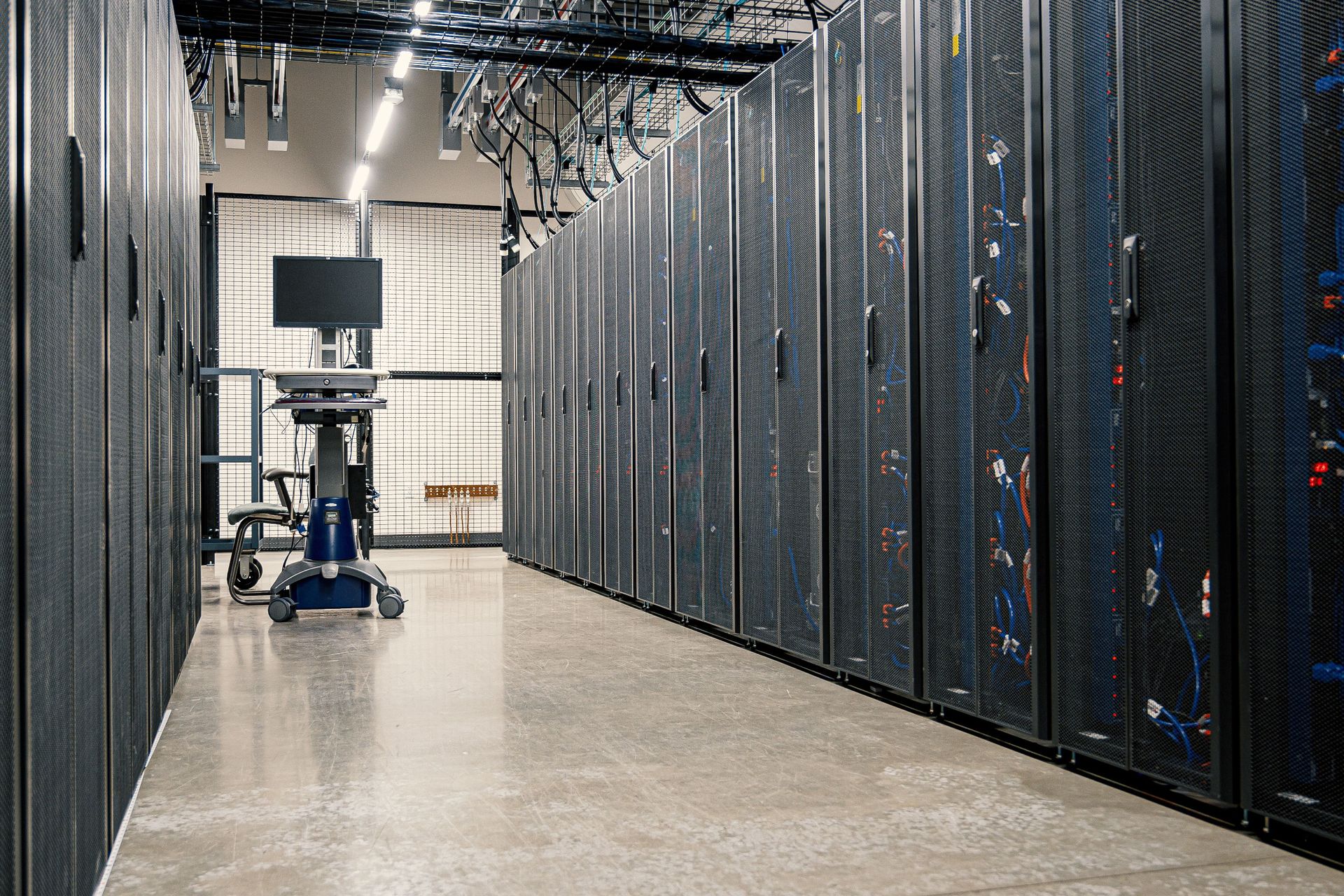
Challenges in data centers limit AI growth
The AI boom faces physical limits in electrical capacity and cooling. Data centers must innovate to overcome these challenges.
 Artificial Intelligence
Big Tech's Push for Personal AI Agents Raises Privacy Concerns
Tech giants are pushing for personal AI agents to manage our daily tasks, which raises significant privacy issues.