Samsung to cut smartphone production to boost profits
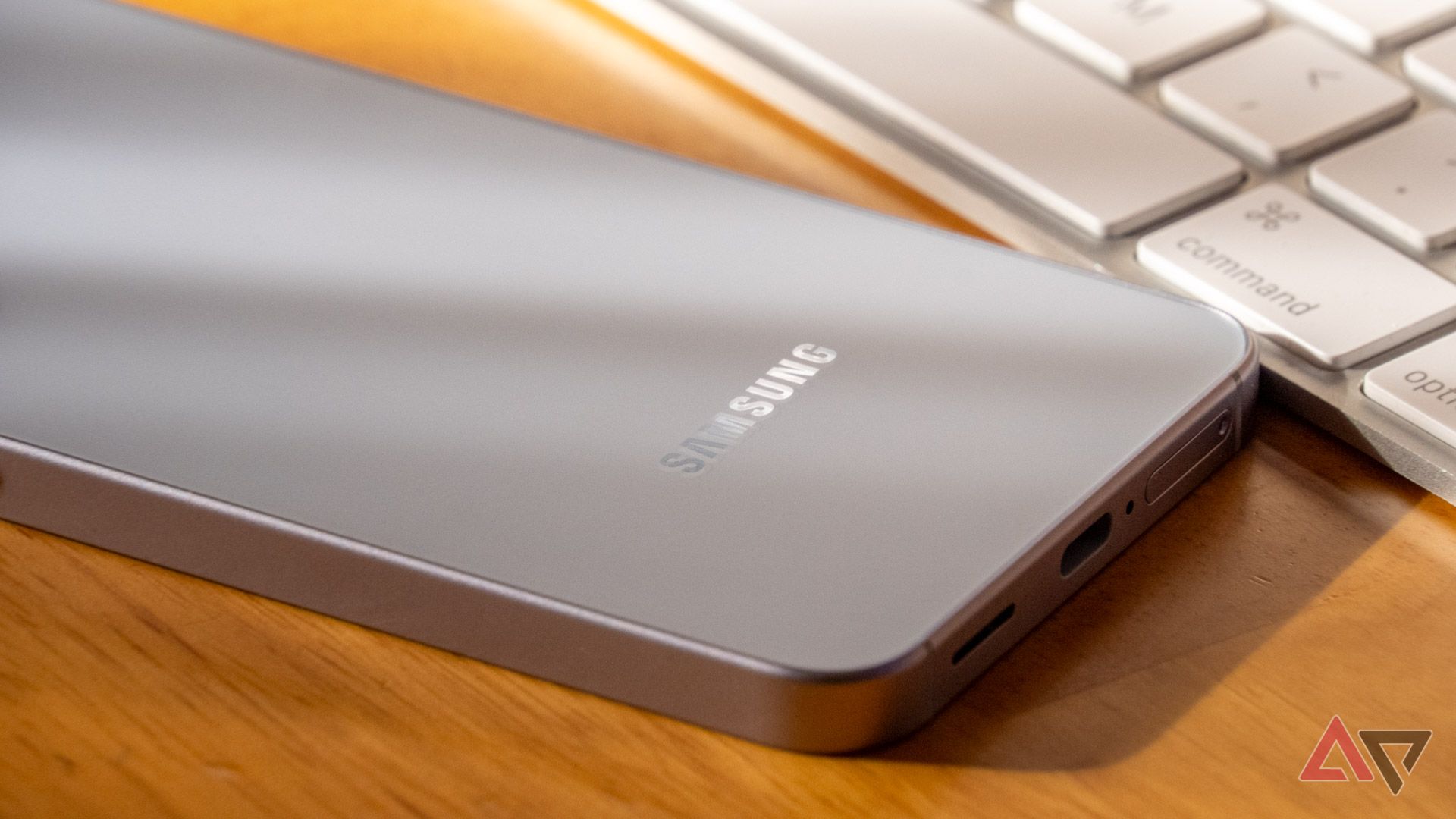
Samsung plans to reduce smartphone production by 30% to tackle rising RAM and storage costs. This decision aims to minimize the company's operating losses.
Samsung has made the surprising decision to cut its smartphone production by 30% in the fourth quarter of this year. This move is driven by soaring prices for RAM and storage, which have negatively impacted the company's profit margins. By reducing the number of phones it produces, Samsung hopes to mitigate its operating losses and improve profitability.
## Why it matters This strategy to reduce production could indicate how rising component costs are affecting major tech manufacturers. For consumers, this might lead to a decreased availability of new models in the market, potentially influencing their purchasing decisions and the competition within the sector.
## What we know It has been confirmed that Samsung is implementing this reduction in smartphone production to adapt to the current market situation. The company aims to balance its finances in the face of a challenging economic environment and rising production costs.
## What remains unclear However, it has not been detailed which specific models will be affected by this production cut, nor how this strategy will impact Samsung's long-term approach in the smartphone market. Additionally, it has not been confirmed whether this measure will be sustained beyond the fourth quarter.
👉 Thinking of buying? Our guide helps you choose: Best value-for-money mobiles of 2026.
Read at the original source:
Android Police →Related news
 Mobile
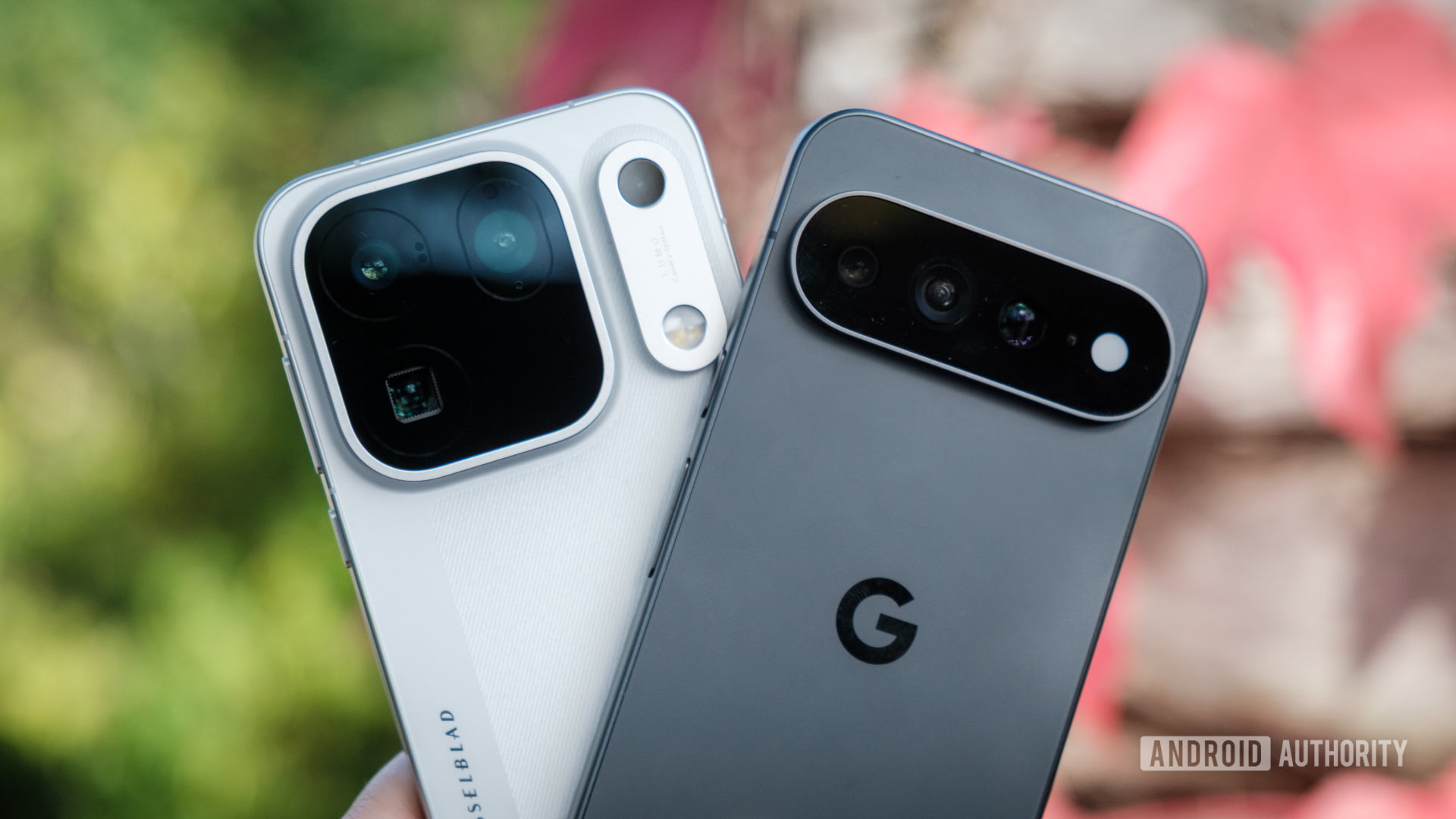
Comparison of the best camera phones this year
The OPPO Find X10 Pro Max and Google Pixel 11 Pro XL excel in photography. Both models offer outstanding features that position them as market leaders.
 Mobile
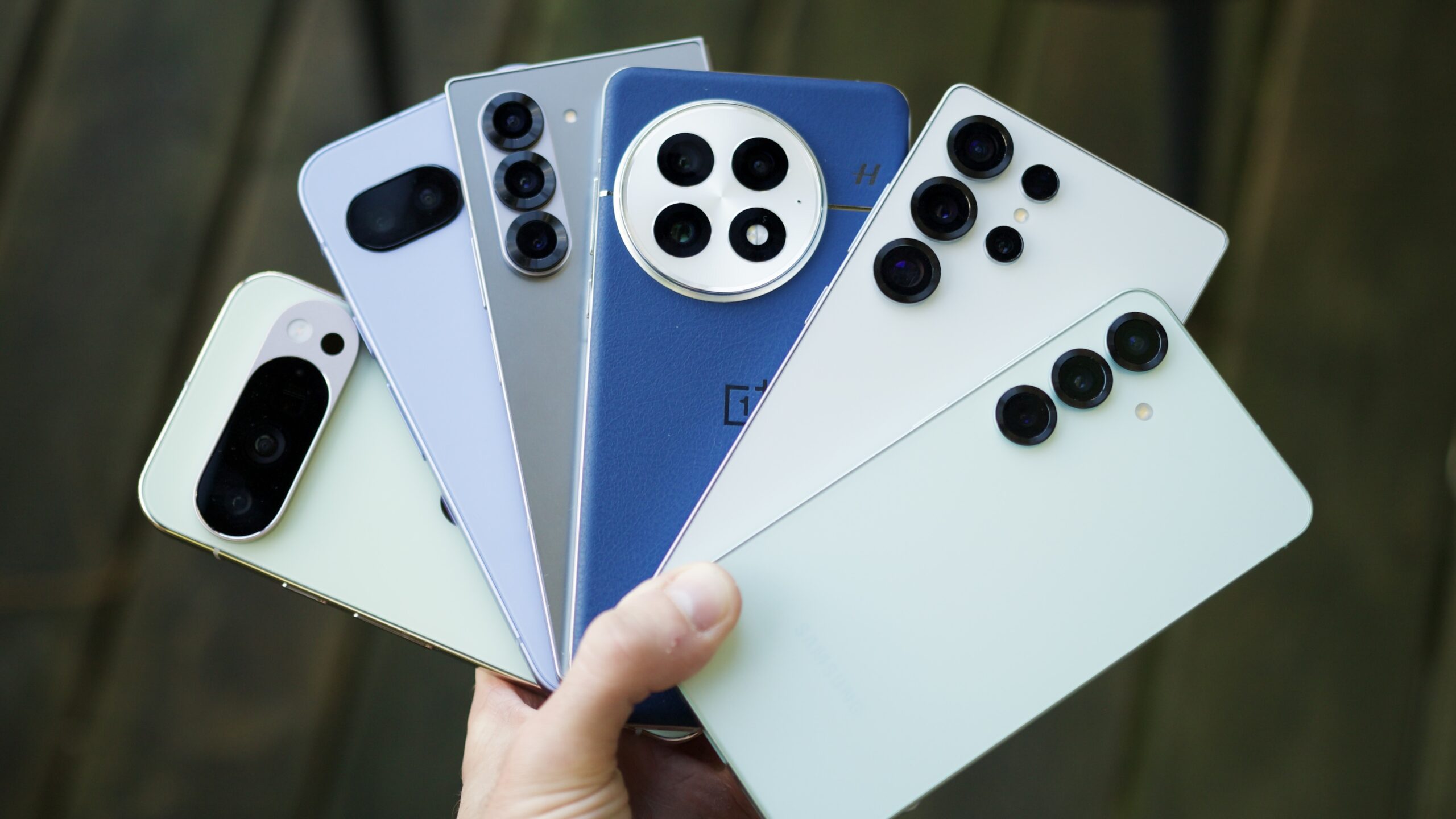
AI Debate: Which is the Best Android Phone?
An analysis of how ChatGPT and Gemini debated the best smartphone. The results were surprising to many.
 Mobile
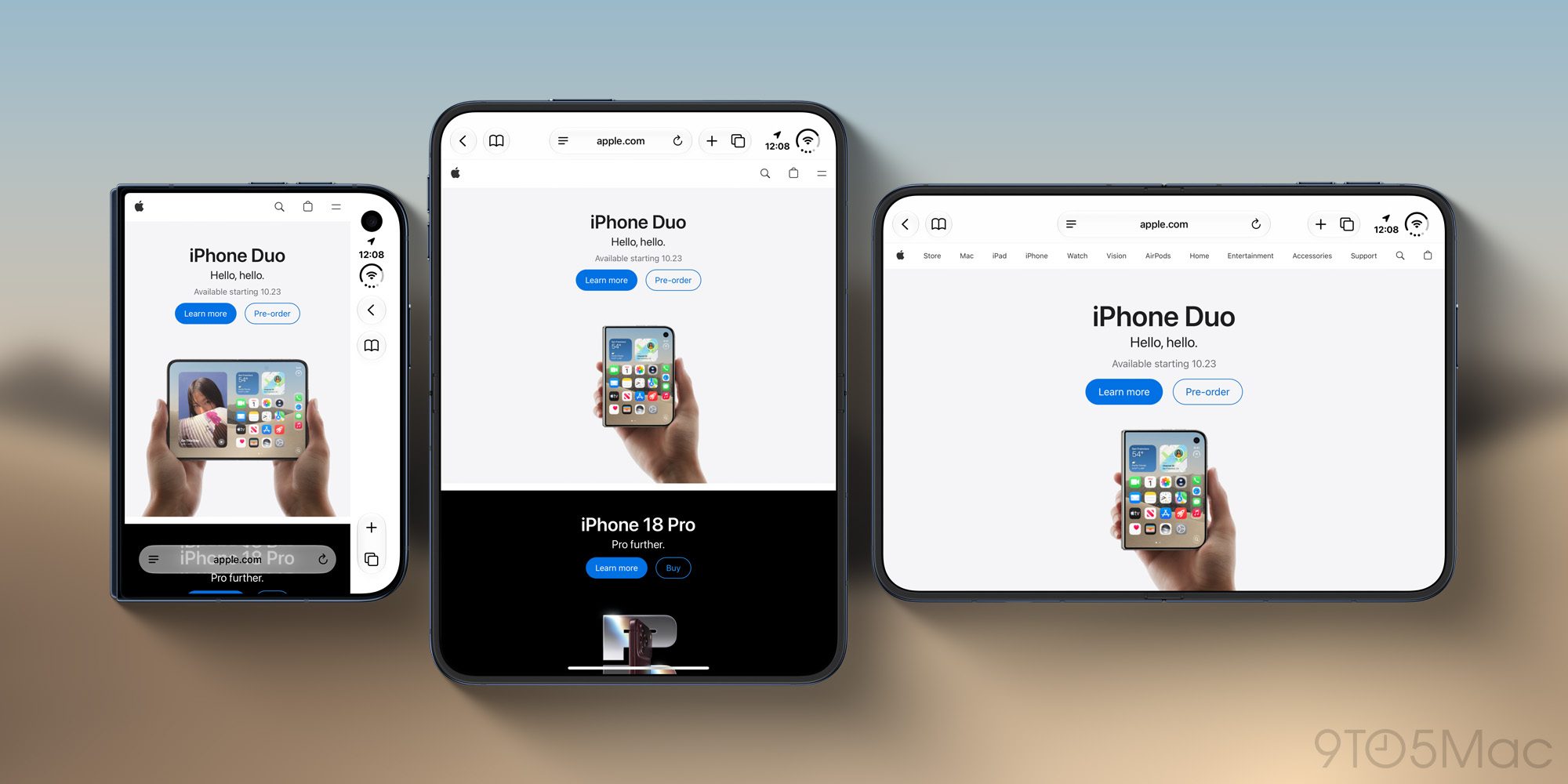
The iPhone Duo and its Impact on Mobile Technology
The iPhone Duo is setting a new course in mobile device design and functionality. Despite initial challenges, its innovative potential is undeniable.