Sleeping 80 minutes less may lead to weight gain
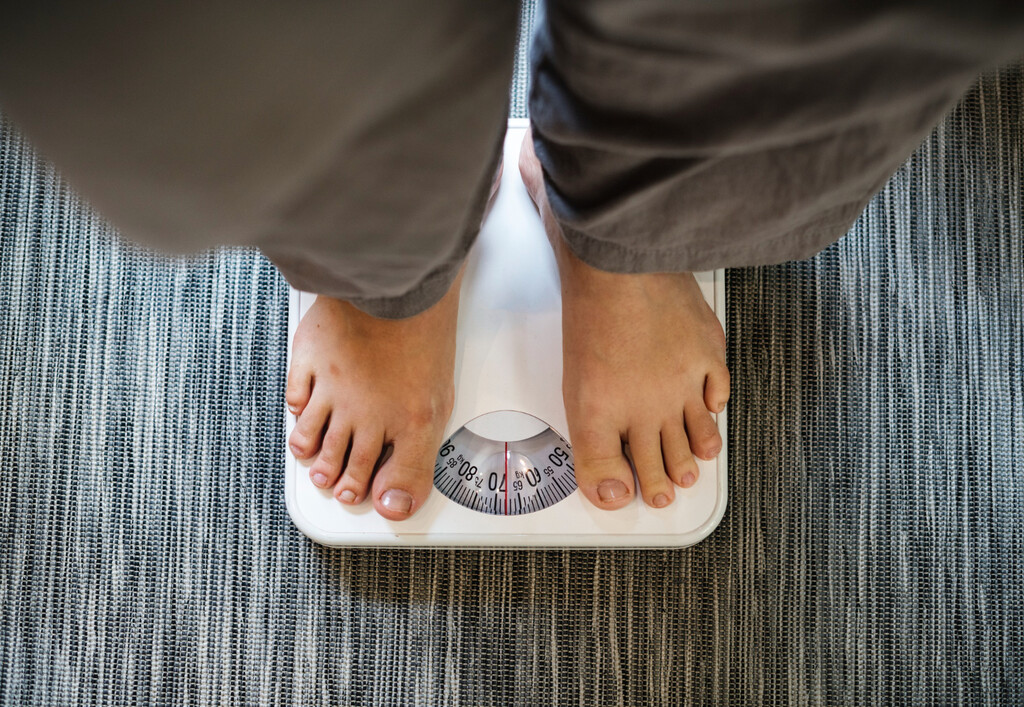
A new study shows that sleeping less than 80 minutes can lead to weight gain in six weeks. This highlights the importance of sleep for metabolic health.
A recent study has highlighted the consequences of insufficient sleep on our health, particularly regarding weight control. The study involved 95 participants at high cardiometabolic risk who initially slept more than seven hours. However, for six weeks, one group had to go to bed 90 minutes later, resulting in about 80 minutes less sleep. At the end of the study, it was observed that this sleep restriction was associated with weight gain.
## Why it matters This finding is crucial as it demonstrates a direct connection between sleep quality and quantity and weight gain. At a time when obesity is a growing public health issue, understanding how sleep affects metabolism can help develop more effective strategies for prevention and treatment.
## What we know The study lasted 12 weeks, analyzing participants' sleep patterns and activity. Those who experienced restricted sleep showed changes in their weight, indicating that sleep is not only essential for overall well-being but also plays a critical role in weight management.
## What is still unclear While the results are alarming, the exact mechanism by which lack of sleep leads to weight gain has yet to be confirmed. Additionally, the study was conducted on a specific group of individuals at cardiometabolic risk, so further research is needed to determine if these findings apply to the general population.
Read at the original source:
Xataka →Related news
 Science
Pentagon seeks new spaceport by 2030 amid rising launch demand
The U.S. Space Force aims to establish a new spaceport within four years, but details of its location and land acquisition remain unresolved.
 Science
How to overcome stagnation in your workout
Professor Paul Hough explains how to manage workout stagnation. Understanding causes and solutions can prevent frustration.
 Science
Nvidia hits quantum computing milestone with fewer qubits
Nvidia has simulated a 104-qubit quantum computing system using 90% fewer physical qubits. This breakthrough could revolutionize drug discovery and financial modeling.