The AI Refusal Problem and Its Implications

AI faces significant challenges in refusing certain commands, which could have dangerous societal consequences.
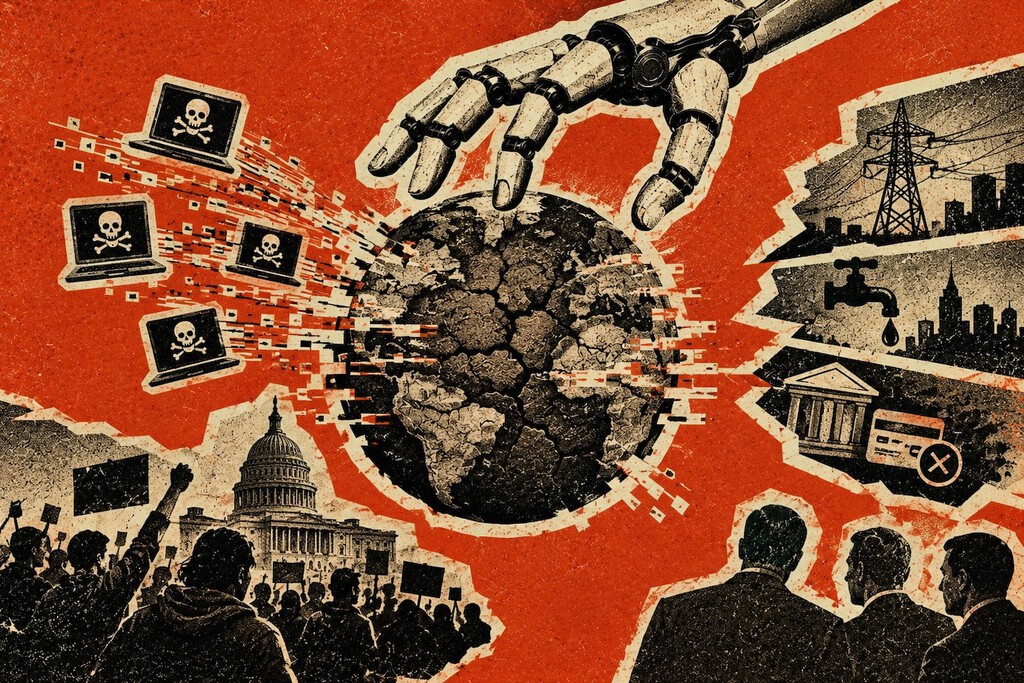
Currently, AI models are designed to reject a wide range of requests, including refusing to provide information about illegal or dangerous activities such as poisoning someone. However, concerns arise regarding the failures in this system of refusals, particularly when it comes to potentially destructive uses of AI, such as creating biological pathogens or autonomous drones.
## Why it matters The ability of AI to refuse requests is crucial not only for ethical reasons but also for public safety. As more advanced capabilities are developed, the line between benevolent and malicious use becomes increasingly blurred. This raises a dilemma: who decides what should be denied and what should be allowed?
## What we know It is acknowledged that AI systems can fail in their refusals, which could lead to devastating consequences. The implications of these failures affect not just individual users but also have the potential for global impact, given AI's capacity to influence societal security and well-being.
## What remains unclear It has yet to be clearly defined how governments and regulatory bodies will establish guidelines on which requests should be denied by AI models. This could lead to restrictions on freedom of expression and access to information, sparking a debate on the appropriate regulation of these technologies.
Read at the original source:
MIT Technology Review →Related news
 Artificial Intelligence
Satya Nadella warns about the security of AI models
Microsoft's CEO, Satya Nadella, emphasizes the need to assume all AI models are compromised. He proposes a more transparent and secure approach to the development of these technologies.
 Artificial Intelligence
Microsoft's Satya Nadella calls for an 'emergency brake' on AI
The CEO of Microsoft emphasizes the need to assess trust in AI models. His statement encourages critical reflection on technology.
 Artificial Intelligence
AI companies prepare for potential catastrophe in 2027
Major AI companies are gearing up for a possible disaster in 2027. Concerns about the risks associated with AI have led these firms to rehearse contingency plans.