The astonishing discovery of a British submarine in 1945
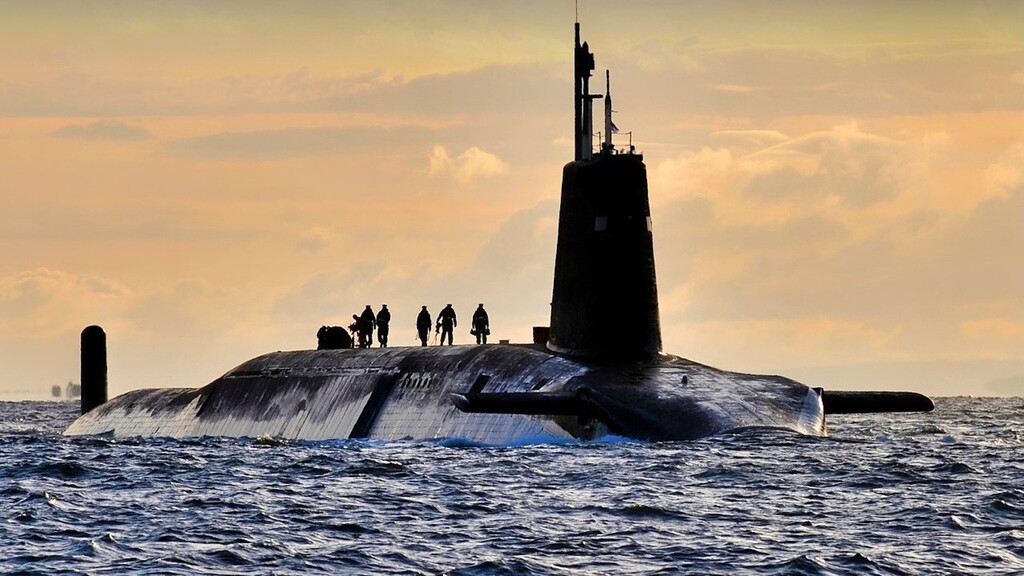
A British submarine tracked down a German U-boat in 1945.
In February 1945, a British submarine achieved an extraordinary feat by locating a German U-boat at a depth of 150 meters off the coast of Norway. Lacking advanced technology, the British submarine relied on its detection skills and strategy to follow the U-864, a submarine transporting vital military technology to Japan.
For three hours, the British submarine monitored the U-864, despite the challenges of tracking a target in the three-dimensional environment of the ocean. Ultimately, it made the decision to fire four torpedoes at calculated positions, an act that has been recorded in history as a unique success in underwater warfare.
The U-864, a Type IXD2 submarine, was involved in Operation Caesar, a German effort to send strategic components and technology to its Japanese ally. As the war turned against Germany, the mission of the U-864 became crucial in maintaining military cooperation between the two nations.
This event is notable not only for the technical prowess of the British submarine but also for the dangers of war and the complexities of military technology at the time. The story of this submarine interception serves as a reminder of human ingenuity in times of conflict.
Read at the original source:
Xataka →Related news
 Science
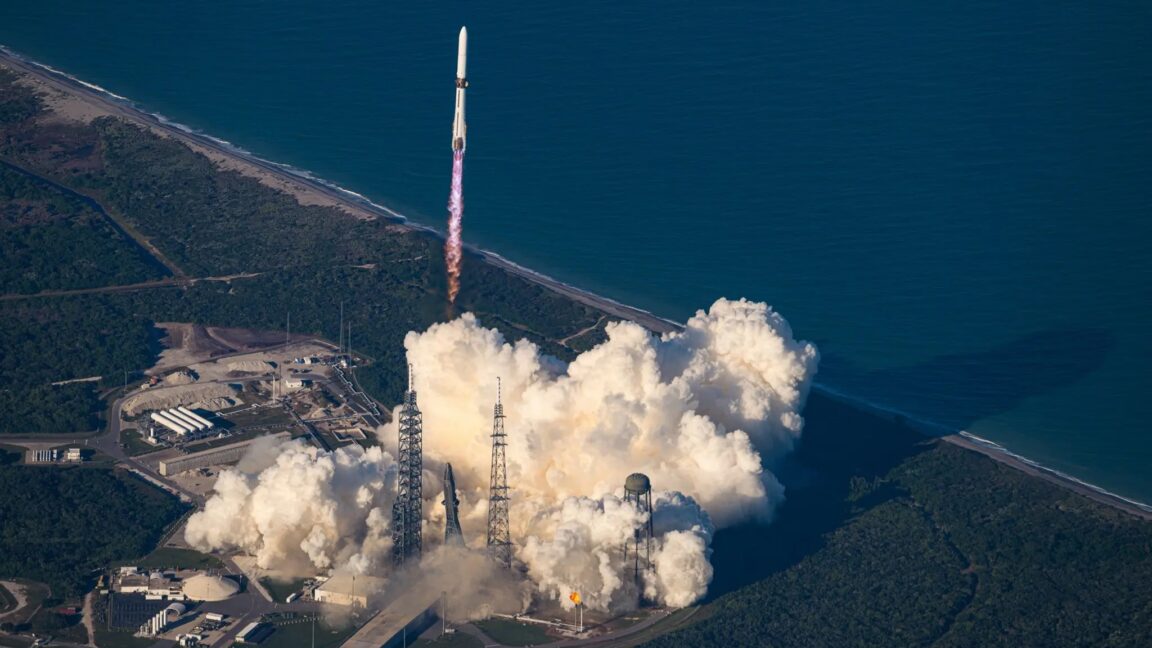
Pentagon seeks new spaceport by 2030 amid rising launch demand
The U.S. Space Force aims to establish a new spaceport within four years, but details of its location and land acquisition remain unresolved.
 Science
How to overcome stagnation in your workout
Professor Paul Hough explains how to manage workout stagnation. Understanding causes and solutions can prevent frustration.
 Science
Nvidia hits quantum computing milestone with fewer qubits
Nvidia has simulated a 104-qubit quantum computing system using 90% fewer physical qubits. This breakthrough could revolutionize drug discovery and financial modeling.