The evolution of submarine cables over 40 years

Submarine cables have transformed global connectivity in nearly 40 years. Their evolution reflects technological and geopolitical changes.
Since the deployment of the first optical fiber submarine cable, TAT-8, 38 years ago, the landscape of global connectivity has radically changed. This cable, connecting the United States, France, and the United Kingdom, marked the beginning of the fiber optic era, replacing old copper and telegraph connections. Today, the map of submarine cables is constantly expanding to meet the growing data demands of the modern world.
Why it matters
The evolution of submarine cables not only represents a technological advancement but also reflects geopolitical tensions and the influence of major tech corporations on Internet infrastructure. As connectivity needs increase, the construction of new cables becomes a strategic issue for countries and companies alike.
What we know
Current submarine cables can support data capacities vastly superior to those offered by TAT-8, allowing for faster and more efficient communication globally. Additionally, many of these cables are owned by tech giants seeking to secure their data infrastructure.
What remains unclear
Despite the advancements, questions remain about how new submarine cable routes will be managed and how geopolitical conflicts that may arise as they expand will be addressed. The company has not detailed how it plans to balance connectivity demands with these tensions.
Read at the original source:
Xataka Móvil →Related news
 Internet & Web
How to watch South Africa vs Australia 2026 2nd Test live
The 2nd Test between South Africa and Australia will take place from October 18 to 22, 2026. Here's how to watch it live.
 Internet & Web
Why your Wi-Fi speeds may drop in the evening
Wi-Fi speeds can decrease at night due to network congestion. Here’s why it happens and how to address it.
 Internet & Web
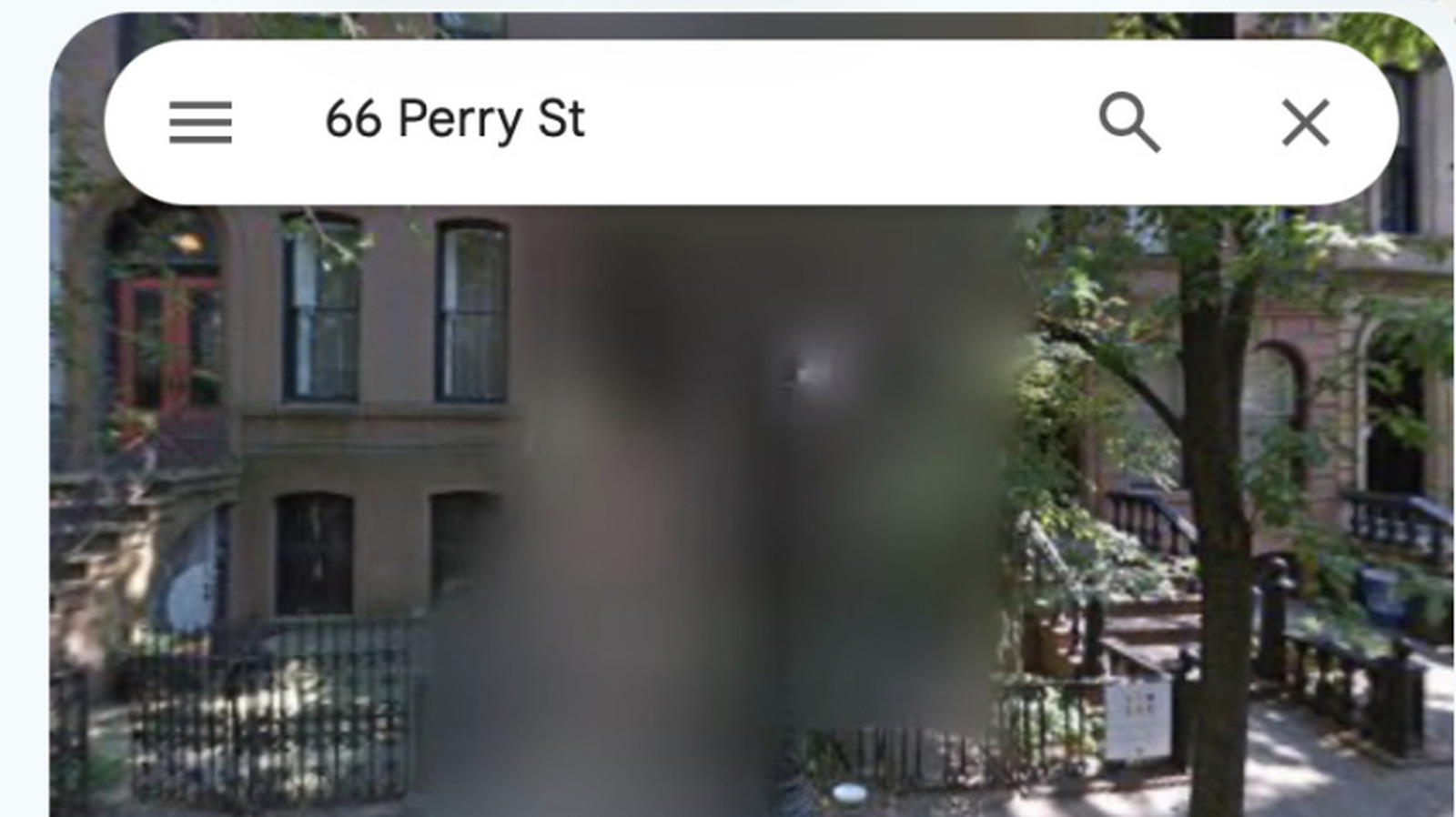
Why are some locations blurred out on Google Maps?
Blurred locations on Google Maps relate to security and privacy. We explain why this happens.