The return of the European white-tailed eagle in Asturias
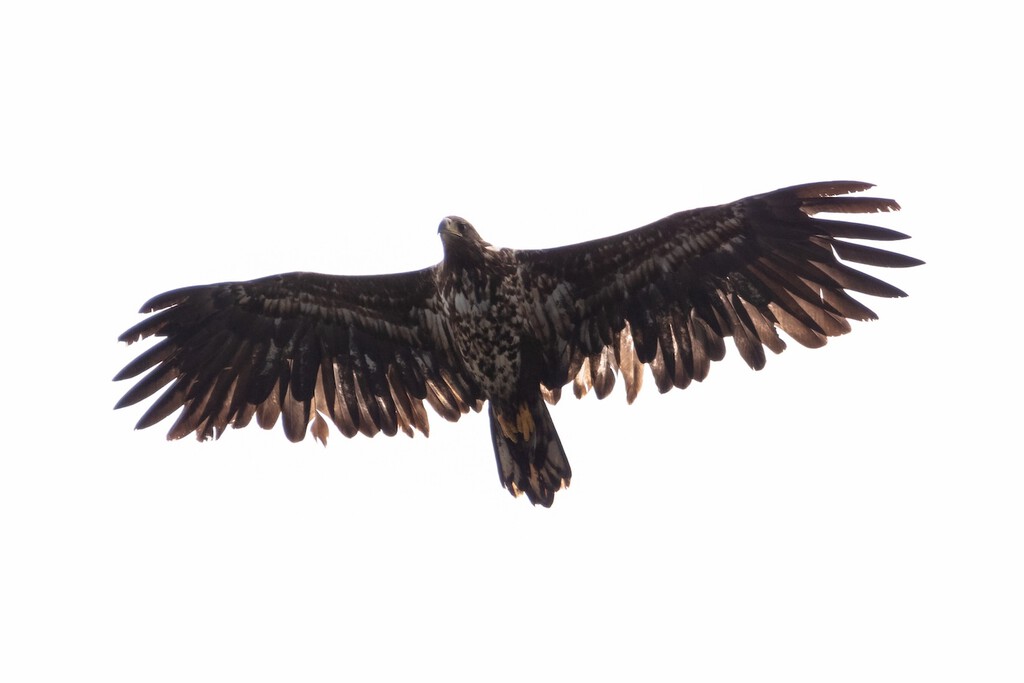
The reintroduction of the white-tailed eagle raises questions about its impact.
Reintroducing species into an ecosystem is a delicate act that can have unpredictable effects. In 2021, nine European white-tailed eagles were released in Asturias, hoping to restore the species in northern Spain. However, five years later, the effectiveness of this decision remains uncertain.
The European white-tailed eagle, recognized as the largest eagle in Europe, had been declared extinct in the wild in Spain since 2018. The arrival of these 'super-predators' in Asturias has sparked debates about the necessity of their reintroduction and the potential consequences for local biodiversity.
Experts warn that introducing a species into a new habitat can disrupt the ecosystem balance, endangering other species that compete for the same resources. Thus, the return of the white-tailed eagle raises questions about its role and impact on the Asturian ecosystem.
Maintaining biodiversity is a complex task, and every action can have significant repercussions. The current situation of the white-tailed eagle in Asturias invites reflection on the best approaches to species conservation and ecosystem management.
Read at the original source:
Xataka →Related news
 Science
Pentagon seeks new spaceport by 2030 amid rising launch demand
The U.S. Space Force aims to establish a new spaceport within four years, but details of its location and land acquisition remain unresolved.
 Science
How to overcome stagnation in your workout
Professor Paul Hough explains how to manage workout stagnation. Understanding causes and solutions can prevent frustration.
 Science
Nvidia hits quantum computing milestone with fewer qubits
Nvidia has simulated a 104-qubit quantum computing system using 90% fewer physical qubits. This breakthrough could revolutionize drug discovery and financial modeling.