The search for Nefertiti's tomb continues
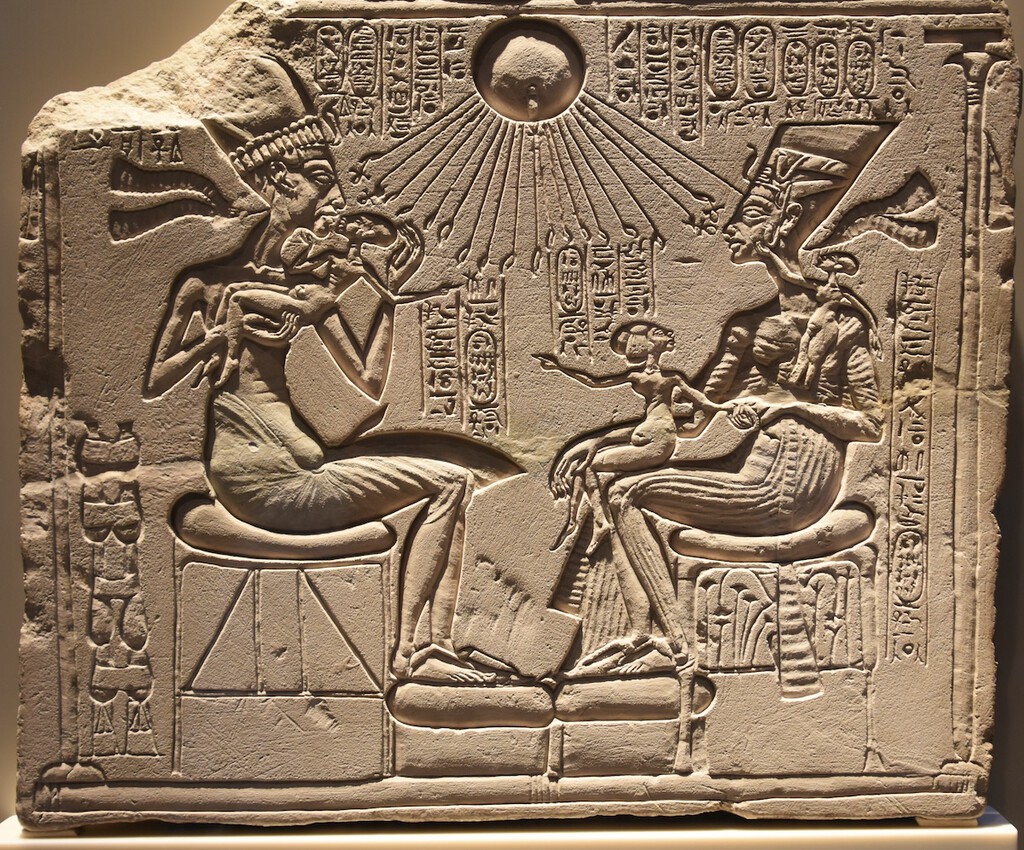
Nefertiti's tomb remains an enigma for archaeologists. New studies suggest a hidden chamber in Tutankhamun's tomb may hold answers.
Since Howard Carter's discovery of Tutankhamun's tomb in 1922, archaeologists have been captivated by the secrets of the Valley of the Kings. The tomb, despite being that of a pharaoh, is notably small and features an exceptionally rich funerary inventory, leading to many speculations about its construction and purpose.
One of the great mysteries that persists in Egyptian archaeology is the whereabouts of Nefertiti's mummy. Despite her historical significance, her exact location has never been confirmed. This enigma has intertwined with that of Tutankhamun since Egyptologist Nicholas Reeves suggested in 2015 that there could be a hidden chamber behind the north wall of his tomb, potentially housing Nefertiti’s mummy.
Recent research has reignited this theory. A team of scientists has employed advanced techniques, such as ground-penetrating radar, to study the area in question. Their findings remain a topic of debate, as conclusions have varied, but the interest in uncovering the truth about Nefertiti’s tomb has not waned.
Archaeologists continue to explore the Valley of the Kings, hoping to unveil this ancient mystery. Each new investigation brings them a step closer to potentially locating the legendary queen, and the world eagerly awaits the results of these studies.
Read at the original source:
Xataka →Related news
 Science
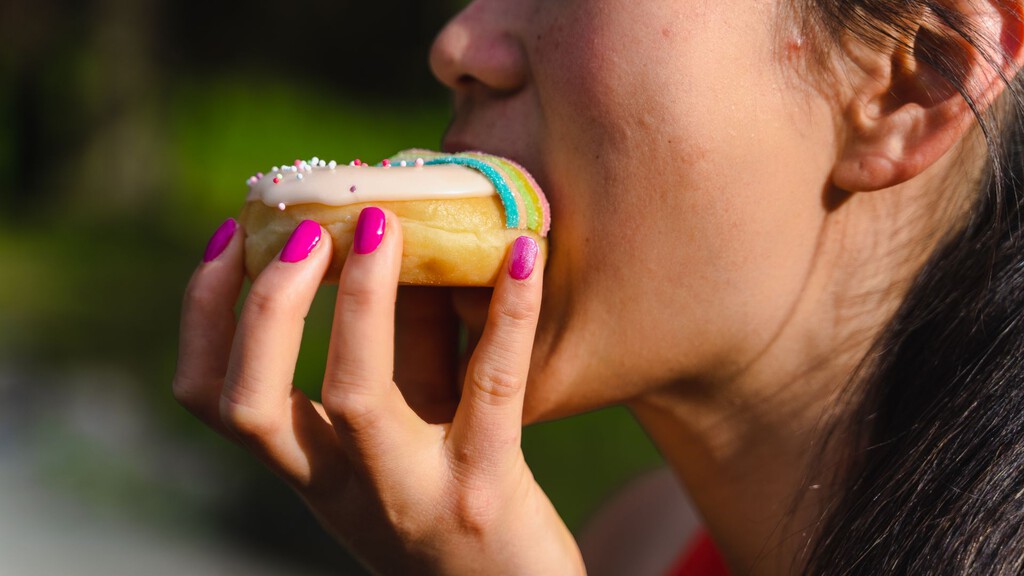
Are you a 'chewer' or a 'smasher'? Discover your eating style
The way we process food influences our preferences significantly. Different eating styles can affect our perception of taste and satiety.
 Science
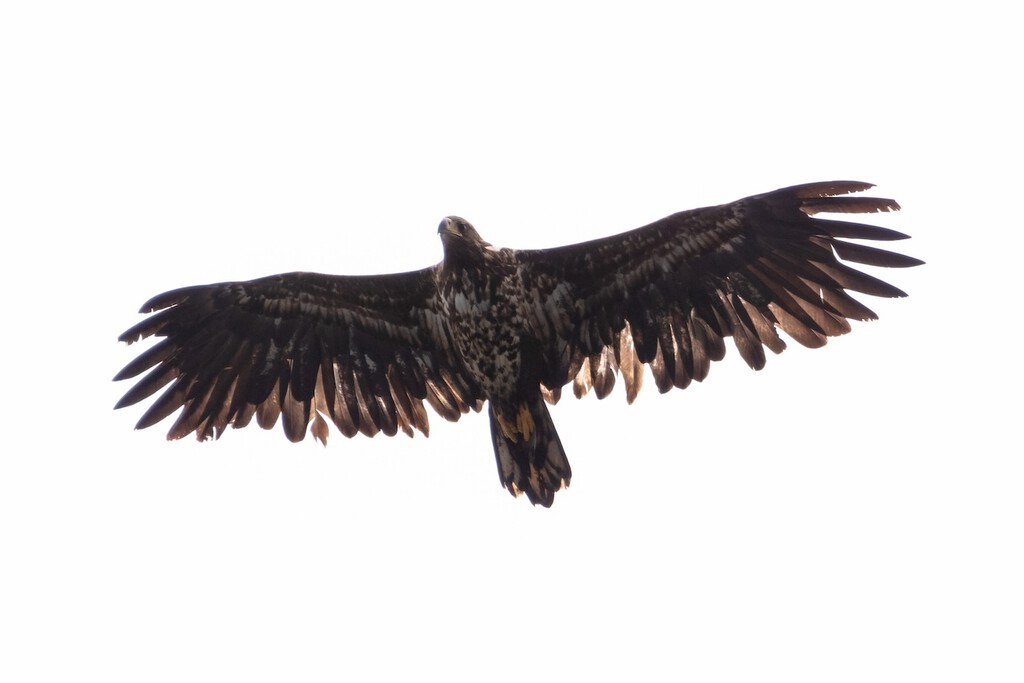
The return of the European white-tailed eagle in Asturias
The reintroduction of the white-tailed eagle raises questions about its impact.
 Science
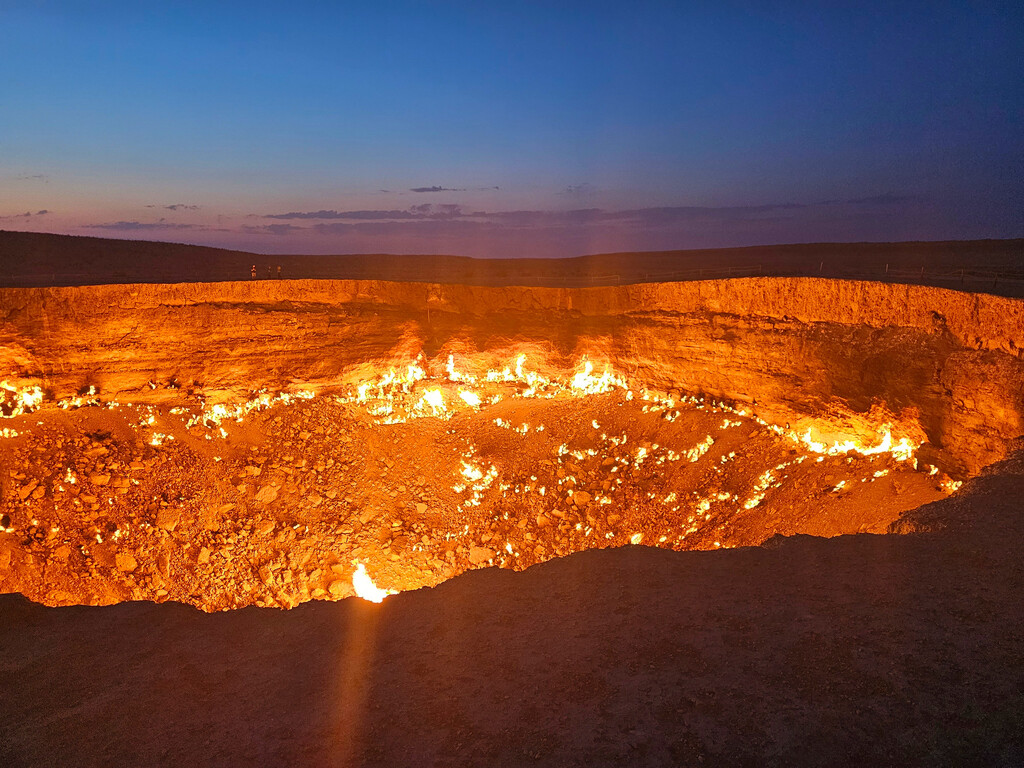
The crater that has been burning in the Karakum desert
A crater in the Karakum desert has been on fire since 1971. Recent studies reveal that its origin is much more recent than previously thought.