US Air Force invests in autonomous weather balloon technology
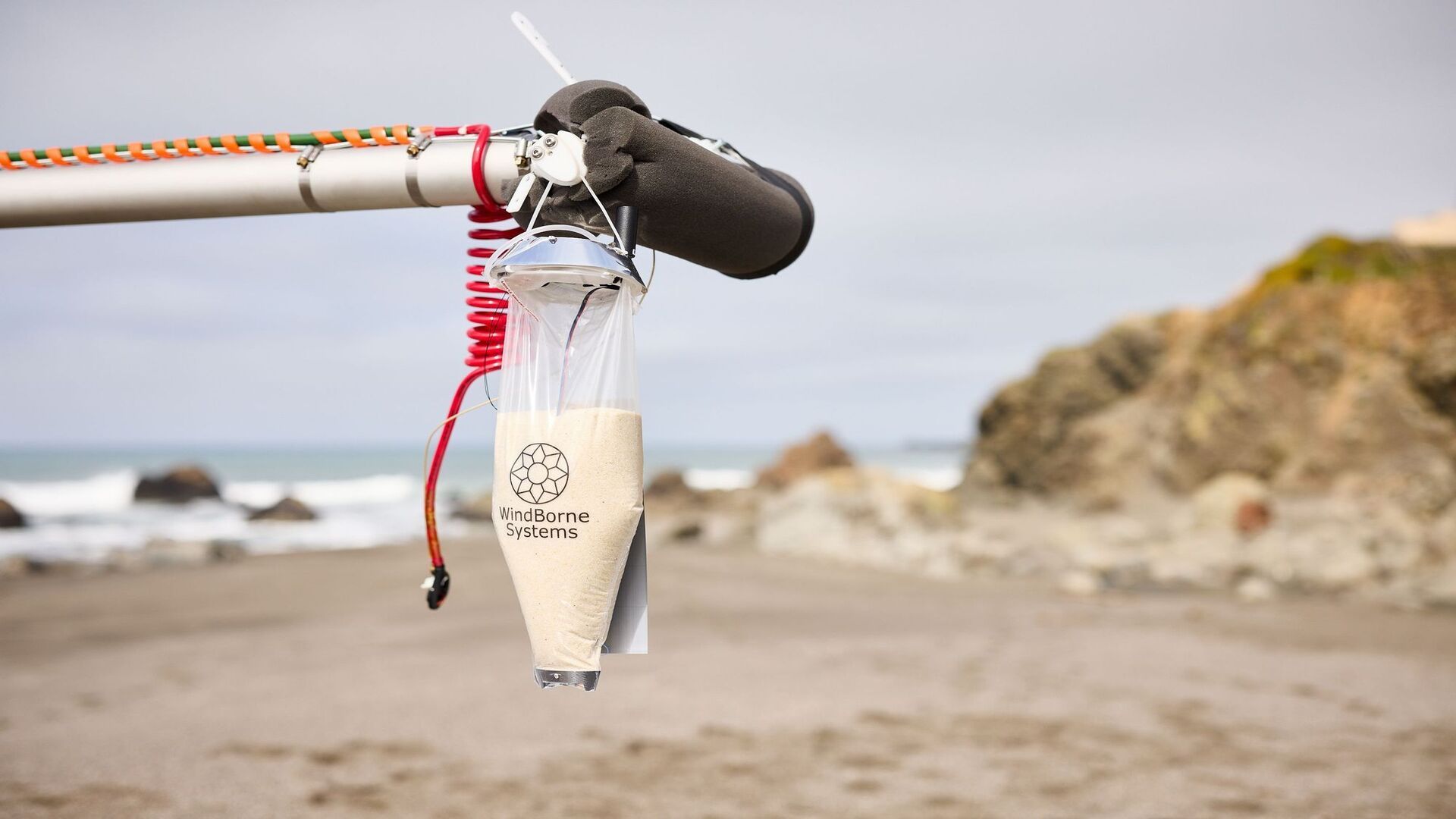
The US Air Force has secured a potential $49 million contract with WindBorne for atmospheric data. This innovative technology uses balloons to enhance weather forecasting.
The United States Air Force has established a potential agreement with WindBorne Systems worth up to $49 million, focused on purchasing atmospheric measurements collected by autonomous weather balloons. So far, the Air Force has placed an initial order of $1.7 million. WindBorne operates a fleet of approximately 700 balloons that gather atmospheric data from various locations around the world, representing a significant advancement in the way climate measurements are obtained.
WindBorne's technology allows these balloons to adjust their altitude to take advantage of winds carrying them to specific locations, using a system of air release and sand ballast to modify their buoyancy. This maneuverability is crucial for obtaining more accurate and relevant data, making it attractive not only to the military sector but also to companies developing artificial intelligence systems focused on weather prediction.
The Air Force's investment in this technology not only supports the growth of WindBorne's balloon network but also reflects a broader trend in leveraging technological innovations to enhance data collection in both military and civilian domains. The ability of these balloons to operate autonomously and adapt to atmospheric conditions allows for valuable information to be gathered that can be used for various applications, from meteorology to environmental analysis.
With the financial backing from the Air Force, WindBorne could significantly expand its fleet and the capabilities of its balloons, potentially leading to improvements in the accuracy of weather predictions and global environmental monitoring.
Read at the original source:
TechRadar →Related news
 Science
Oldest shipwreck in the world discovered in the Mediterranean
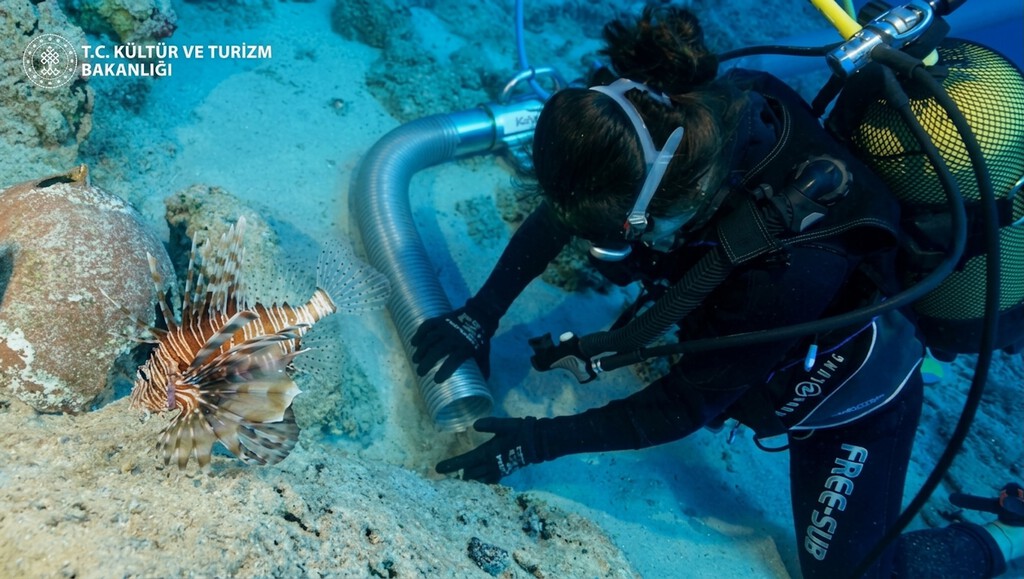
Remains of a ship that sank between 4,400 and 4,700 years ago have been found off the coast of Kekova, Turkey. This discovery sheds light on navigation and trade during the Bronze Age.
 Science
Magnets on the fridge may be more dangerous than you think
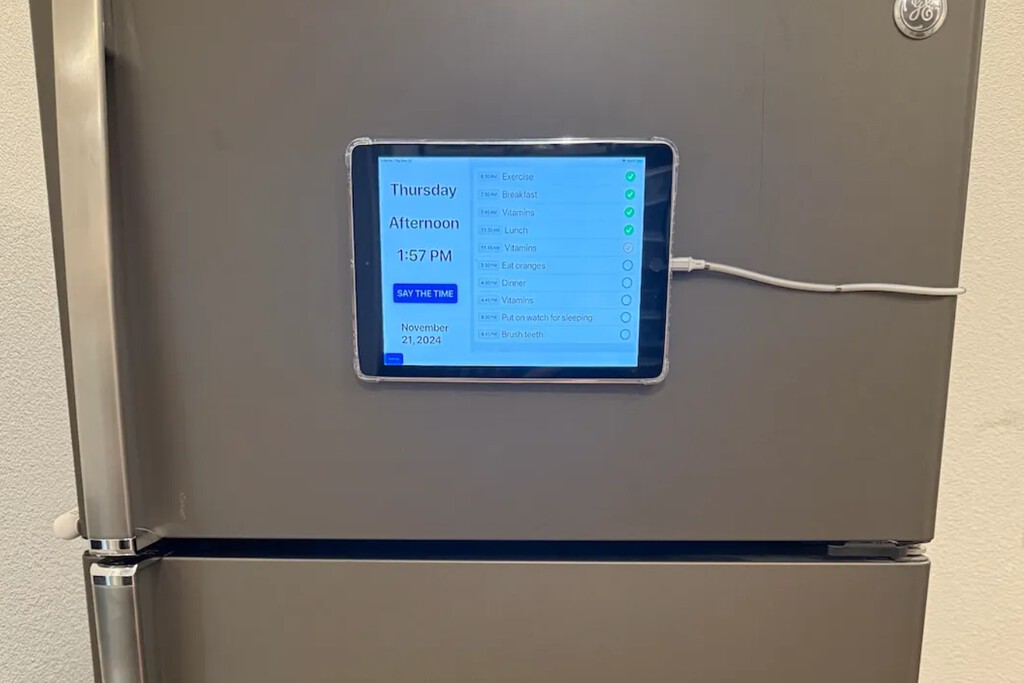
A study reveals that magnets on refrigerators can affect electronic devices. It's important for users to understand the implications.
 Science
Microplastics React with Water, New Study Warns
A new study reveals that microplastics may react with water, raising significant concerns for biology.