Waste House: A Home Built from Waste
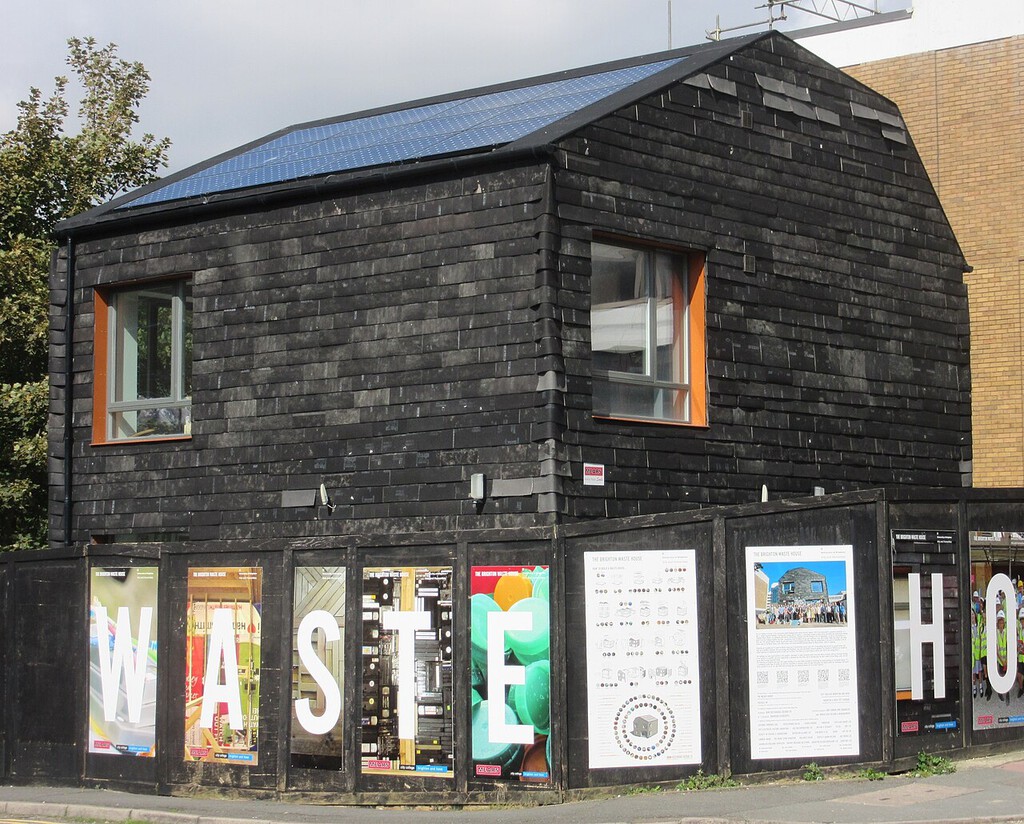
Waste House in Brighton exemplifies architectural sustainability. Constructed from recycled materials, it redefines the concept of social housing.
Waste House, known as Wild House since 2025, is an innovative architectural project that might go unnoticed as a contemporary urban home. However, its true essence lies in the fact that it is built almost entirely from waste, demonstrating the feasibility of a circular economy in the construction sector. Located on the campus of the University of Brighton, this building is a clear example of how materials that would otherwise end up in landfills can be given a second life.
Inside its walls are surprising elements like over 20,000 toothbrushes and two tons of jeans, which not only provide a creative approach to construction but also emphasize the importance of sustainability in modern architecture. This project, which began as a prototype in 2008, has evolved into a reference for social housing, showing that recycling can be both functional and aesthetic.
## Why it matters Waste House is a testament to the potential architecture has to address environmental issues. At a time when sustainability is more crucial than ever, such initiatives can inspire other architects and developers to consider more eco-friendly alternatives in their projects.
## What we know The project has been developed by the University of Brighton and has become a live research space where sustainable building techniques are experimented with. In addition to being a practical example, Waste House also offers a model that could be replicated in other communities, promoting awareness of recycling and material reuse.
## What remains unclear While Waste House has been successful in terms of sustainability and design, future plans for its replication in other locations have yet to be detailed. The community hopes that this project will serve as a catalyst for broader change in how homes are constructed.
Read at the original source:
Xataka →Related news
 Science
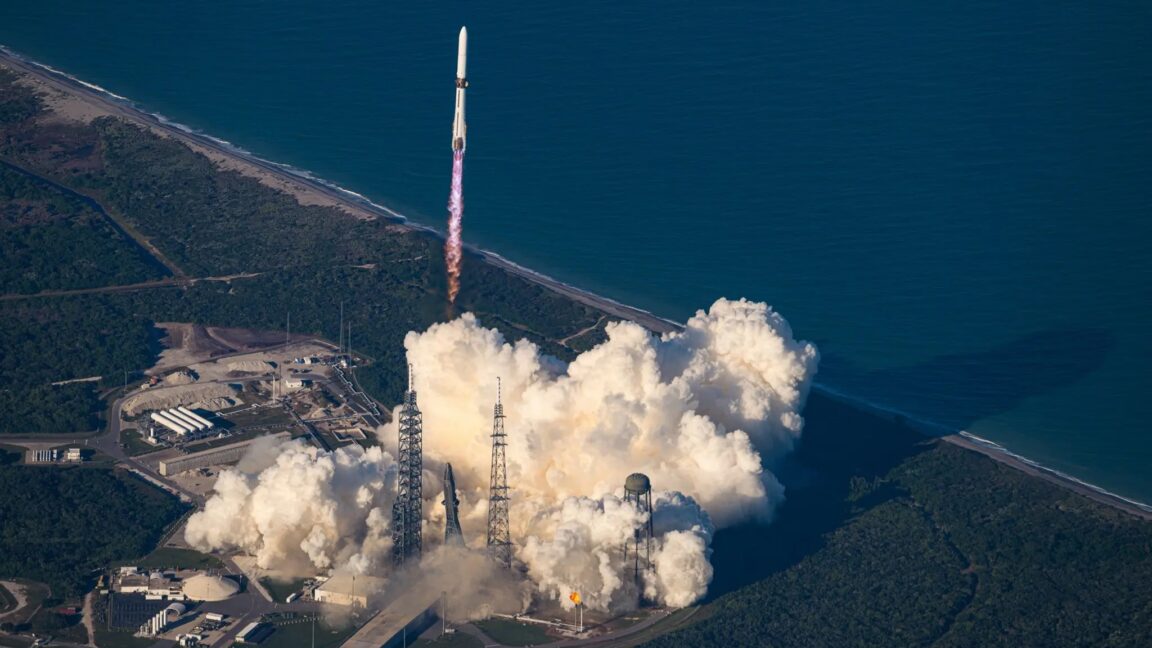
Pentagon seeks new spaceport by 2030 amid rising launch demand
The U.S. Space Force aims to establish a new spaceport within four years, but details of its location and land acquisition remain unresolved.
 Science
How to overcome stagnation in your workout
Professor Paul Hough explains how to manage workout stagnation. Understanding causes and solutions can prevent frustration.
 Science
Nvidia hits quantum computing milestone with fewer qubits
Nvidia has simulated a 104-qubit quantum computing system using 90% fewer physical qubits. This breakthrough could revolutionize drug discovery and financial modeling.