1922 map reveals ancient connections between Rome, India, China
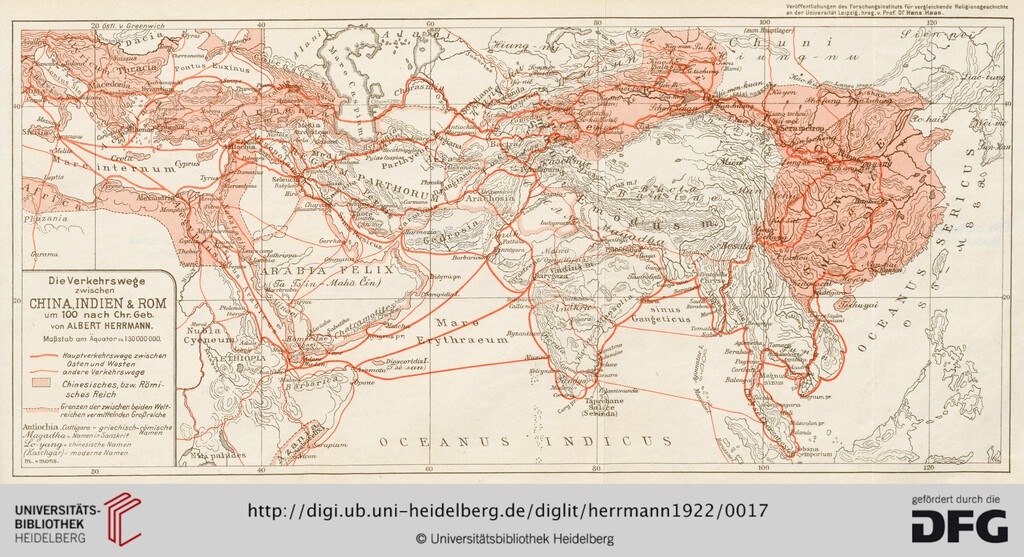
A 1922 map illustrates the communication routes between Rome, India, and China. This finding highlights the interconnectedness of ancient civilizations.
A map created in 1922 by archaeologist Albert Herrmann shows how Rome, India, and China were connected around 100 AD. This document offers a fascinating view of the ancient trade and cultural networks that existed between these civilizations, long before the term 'Silk Roads' became popular in the 19th century.
The map not only highlights the influence of the Roman Empire, which at its peak spanned territories across three continents, but also underscores the importance of connections between different cultures. These routes were not just trade pathways; they were also channels for the exchange of ideas, technologies, and traditions.
Why it matters
This discovery is crucial for understanding the history of interactions between ancient civilizations. It reveals how trade and communication between Rome, India, and China laid the groundwork for cultural and economic development in the region. Furthermore, it highlights the significance of the Silk Roads not just as a commercial network, but as a symbol of global interconnectedness that has existed throughout history.
What we know
Herrmann's map is part of a series from the Institute of Comparative History Research, and it is available for download or printing, allowing interested individuals to explore this valuable resource. Research on ancient communication routes continues to be an active area of study, and this map stands as a testament to the complexity of relationships between these ancient civilizations.
What remains unclear
While the map provides a visual representation of historical connections, specific sources that support the depicted routes have not been detailed. Additionally, the exact extent of these interactions has not been confirmed, leaving the door open for future research on the mutual influence between these cultures.
Read at the original source:
Xataka →Related news
 Science
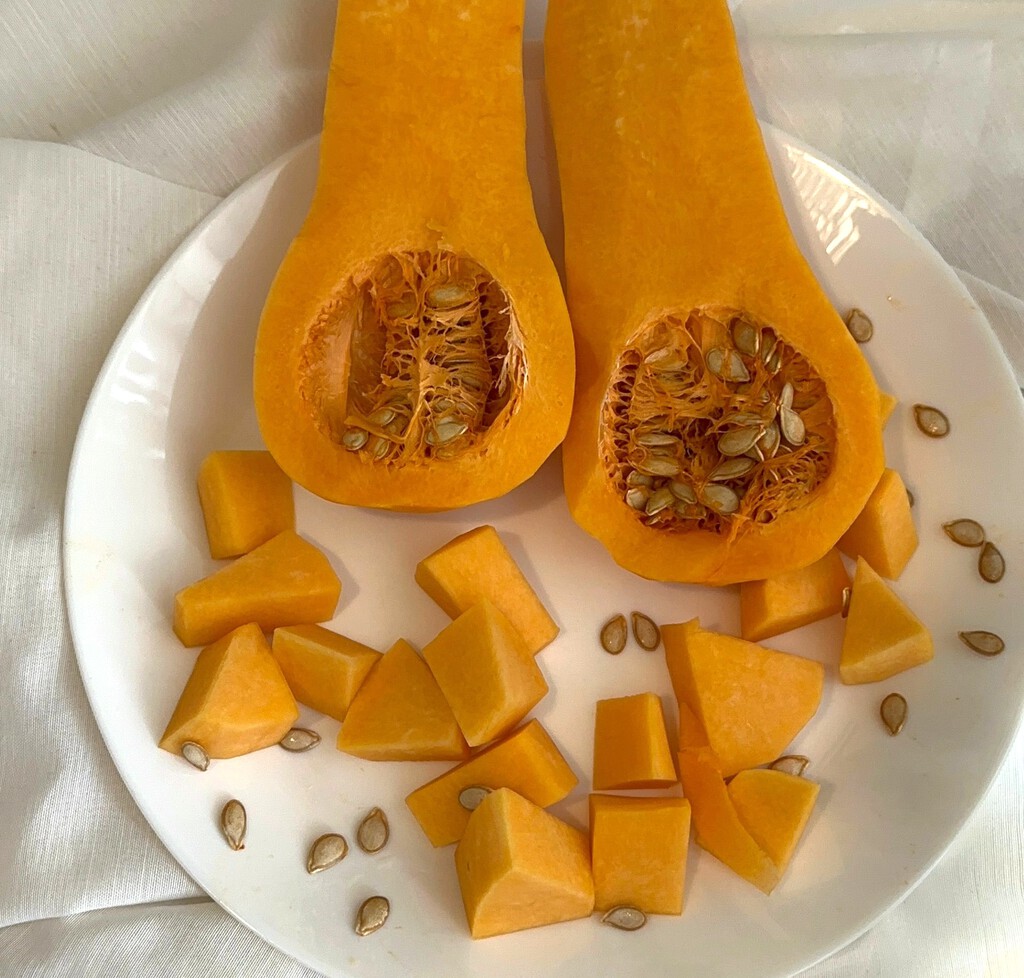
Aragonese farmer preserves traditional pumpkins
Francisco Bescós, a farmer from Huesca, donates seeds of pumpkins cultivated by his family for 200 years to preserve their legacy. This action highlights the importance of agricultural biodiversity.
 Science
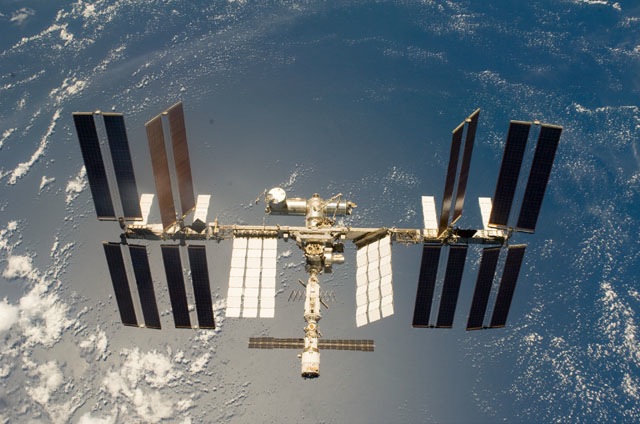
NASA calls for development of private space stations
NASA has issued a request for the commercial space industry to develop private space stations to replace the ISS. Proposals are due by December 8.
 Science
Outrage grows over CDC's potential vaccine trial funding
The CDC faces backlash for its intent to fund a controversial vaccine trial in Guinea-Bissau, despite ethical concerns.