A decade-long experiment reveals secrets of deep reefs
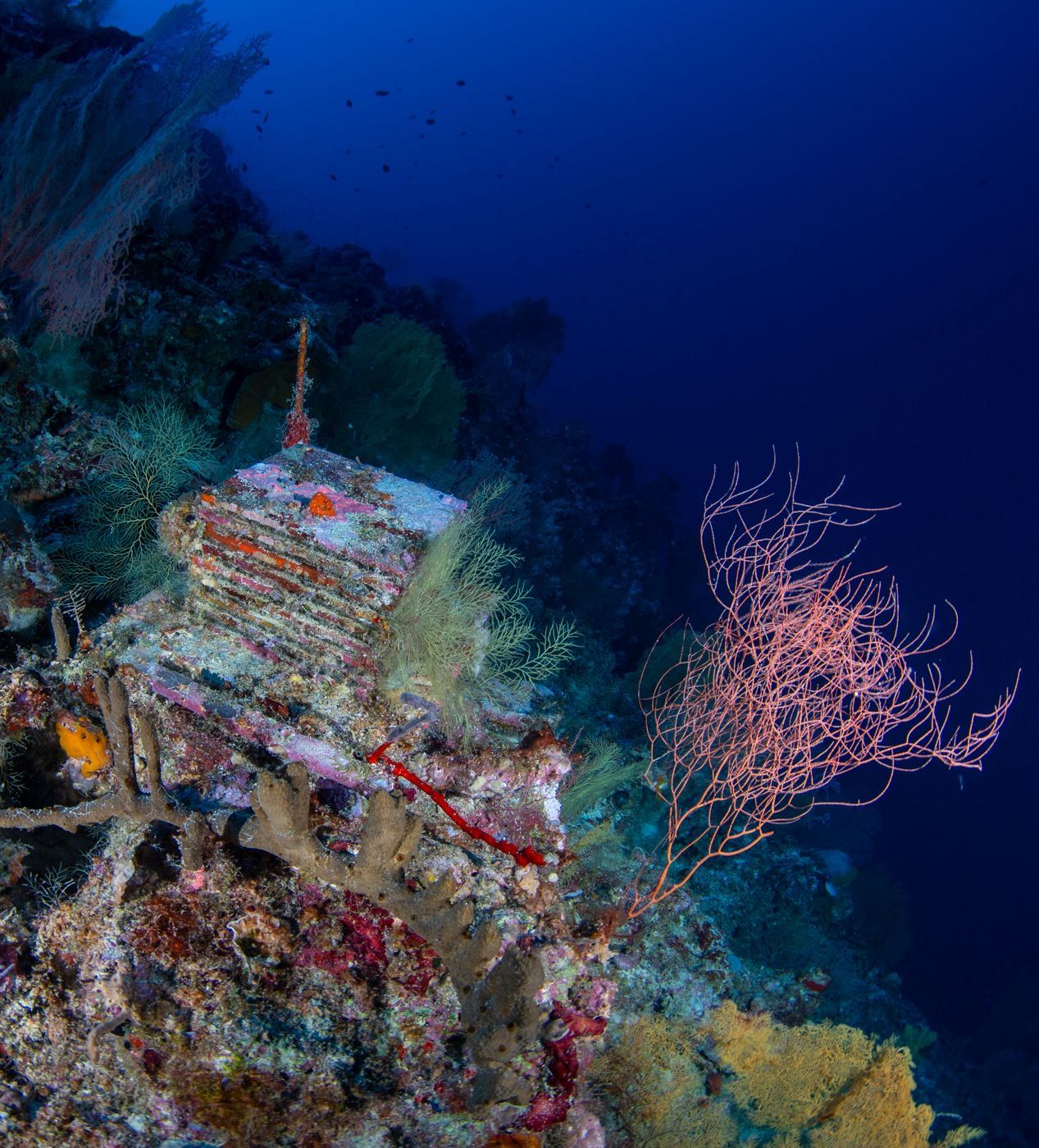
Scientists have retrieved structures submerged for 10 years to study the ocean's deep reefs. The findings promise to enhance our understanding of these unexplored ecosystems.
Researchers left structures submerged up to 100 meters below the ocean's surface for a decade to unravel the mysteries of deep reefs. Upon retrieving these structures, they discovered a surprising biological diversity and life patterns that were previously unknown.
This type of research is crucial, as deep reefs are vital ecosystems that play an important role in ocean health and, consequently, the balance of the planet. However, their inaccessibility has hindered study, leaving many questions unanswered about their functioning and biodiversity.
## Why it matters Understanding deep reefs better can have significant implications for marine conservation. These ecosystems may be key to the sustainability of many species and to climate regulation, given their role in the carbon cycle. Additionally, the knowledge gained could help formulate more effective protection strategies against threats such as climate change and pollution.
## What we know Structures that have been exposed to ocean conditions for ten years have been recovered, allowing scientists to observe how biological communities develop and adapt in these deep habitats. The findings have revealed a variety of species inhabiting these areas, some of which may be new to science.
## What remains unclear While the discoveries are promising, much remains to be investigated. The exact nature of ecological interactions in these reefs and the impact of external factors such as climate change are still areas of study needing more attention. Furthermore, it is unknown how these deep ecosystems may change in the future and what conservation measures will be necessary to protect them.
Read at the original source:
Wired →Related news
 Science
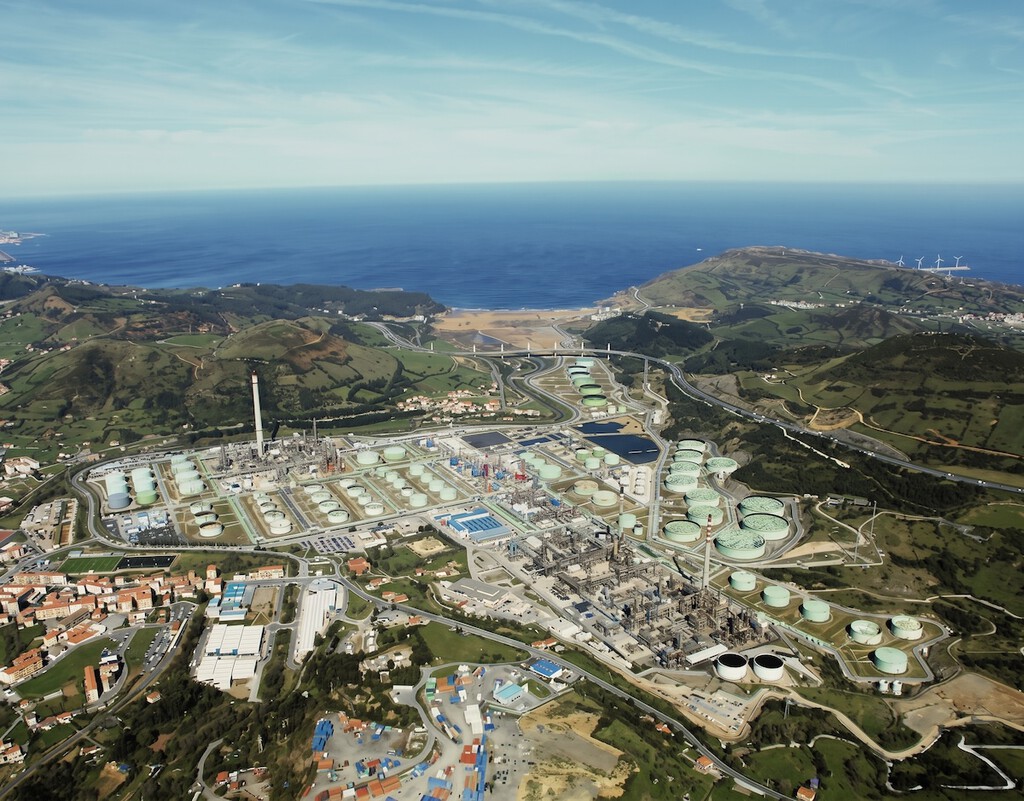
Hydrogen to reach Bilbao Port with a 38 km pipeline
Enagás Infraestructuras de Hidrógeno has requested authorization to build a 38 km pipeline transporting green hydrogen from Cantabria to Bilbao Port.
 Science
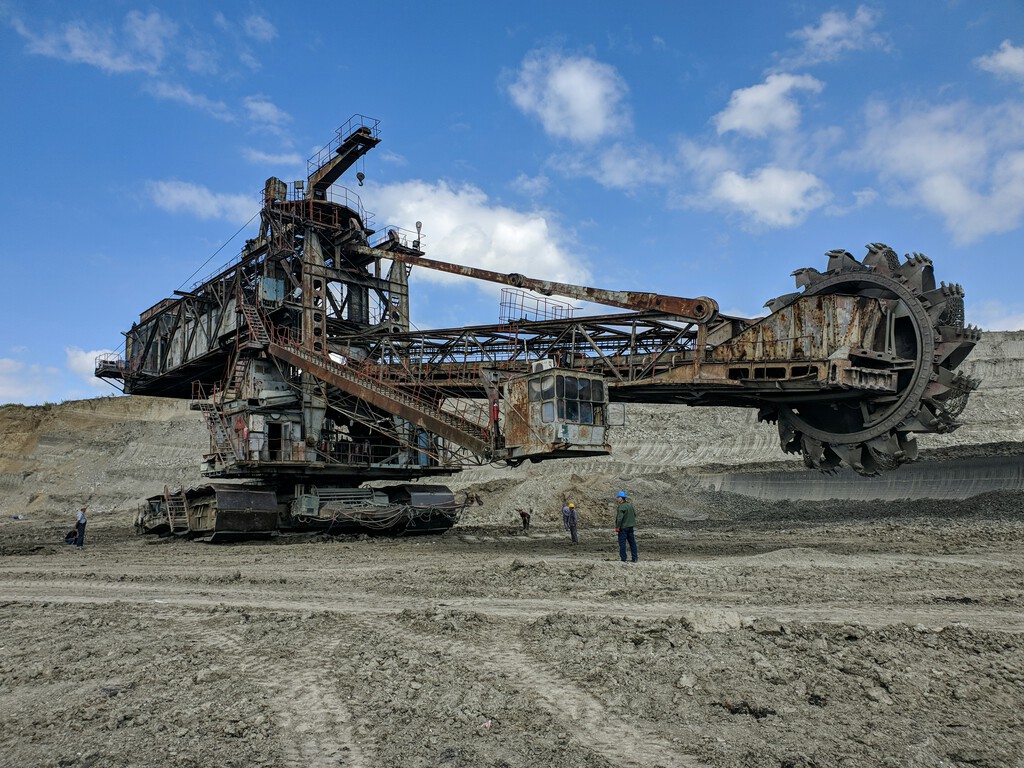
Renewable diesel makes its way into mining in Spain
A new renewable biofuel will be implemented in the Spanish mining sector, reducing CO2 emissions.
 Science
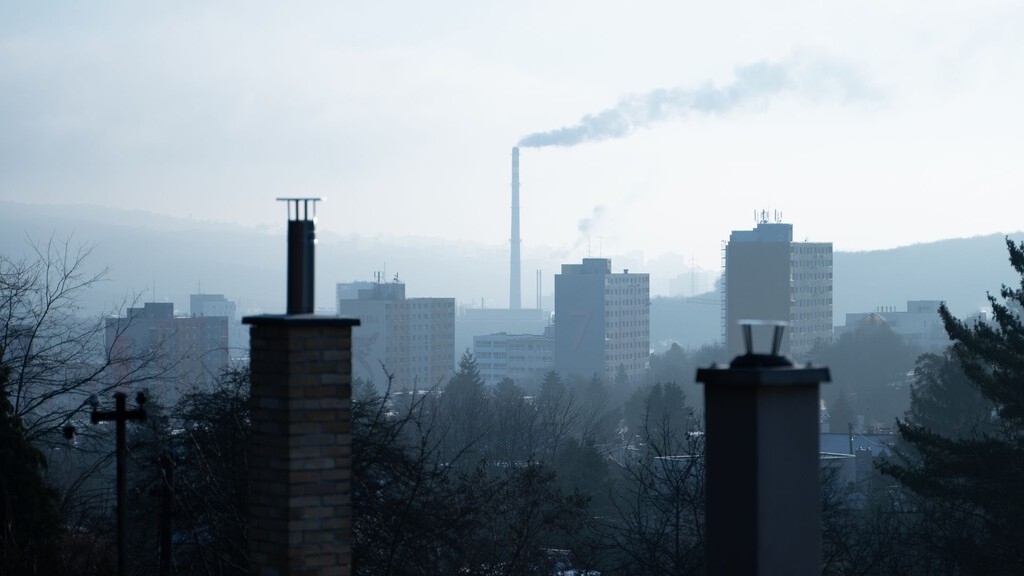
Air pollution may harm our gums and teeth, study finds
Recent research suggests that air pollution could negatively impact oral health, particularly the gums. A study involving mice has provided insights into this connection.