Apple faces demand issues with iPhone 18 Pro
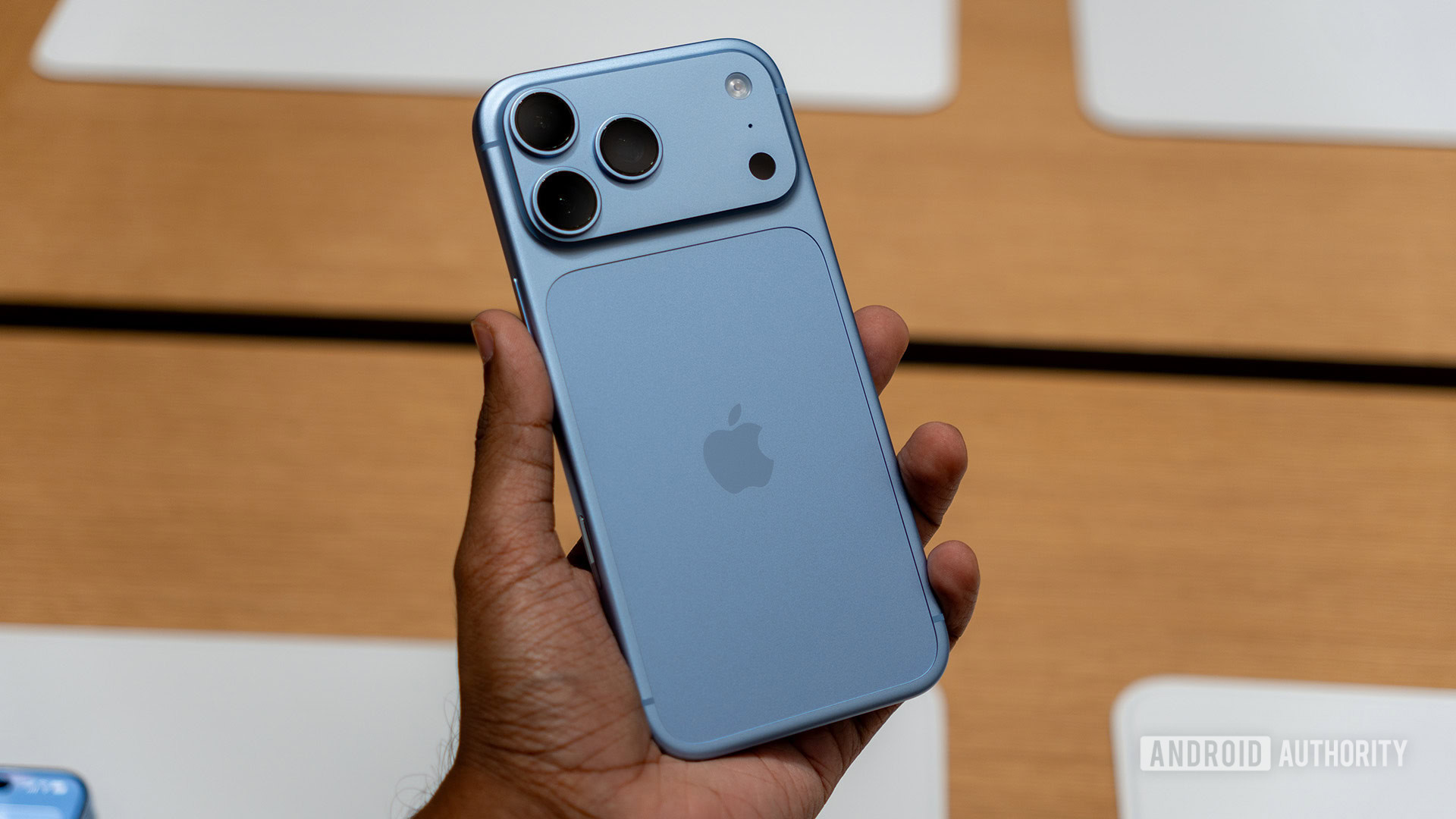
Apple has reportedly cut production of the iPhone 18 Pro due to lower than expected sales. This is partly attributed to its new higher price point.
Apple has reportedly decided to reduce production of components for the iPhone 18 Pro series, indicating that initial sales have not met the company's expectations. Reports suggest that new orders have been cut by at least 15% compared to previous levels. This production adjustment comes after the launch of the iPhone 18 Pro last month, which is the most expensive Pro iPhone to date, starting at $1,199 for the smaller model.
## Why it matters The decline in demand for the iPhone 18 Pro could have significant implications for Apple, not just in terms of revenue but also for its brand image, which has been associated with innovation and high product demand. A drop in sales could also impact suppliers and the entire supply chain that relies on the production of these components.
## What we know So far, Apple has revealed that it is cutting production due to disappointing sales, suggesting that the new high price of the iPhone may be affecting consumer purchasing decisions. The company has not provided specific details regarding sales figures or future expectations.
## What remains unclear It is unclear whether this sales trend will persist over time or if there could be a shift in product perception as the market adjusts to the new pricing. Additionally, it has not been confirmed if there will be adjustments in marketing strategy to address this situation.
Read at the original source:
Android Authority →Related news
 Mobile
Key Apple Launch Dates Coming Up This October
October is set to be a busy month for Apple with several important launches. Here are the dates you shouldn't miss.
 Mobile
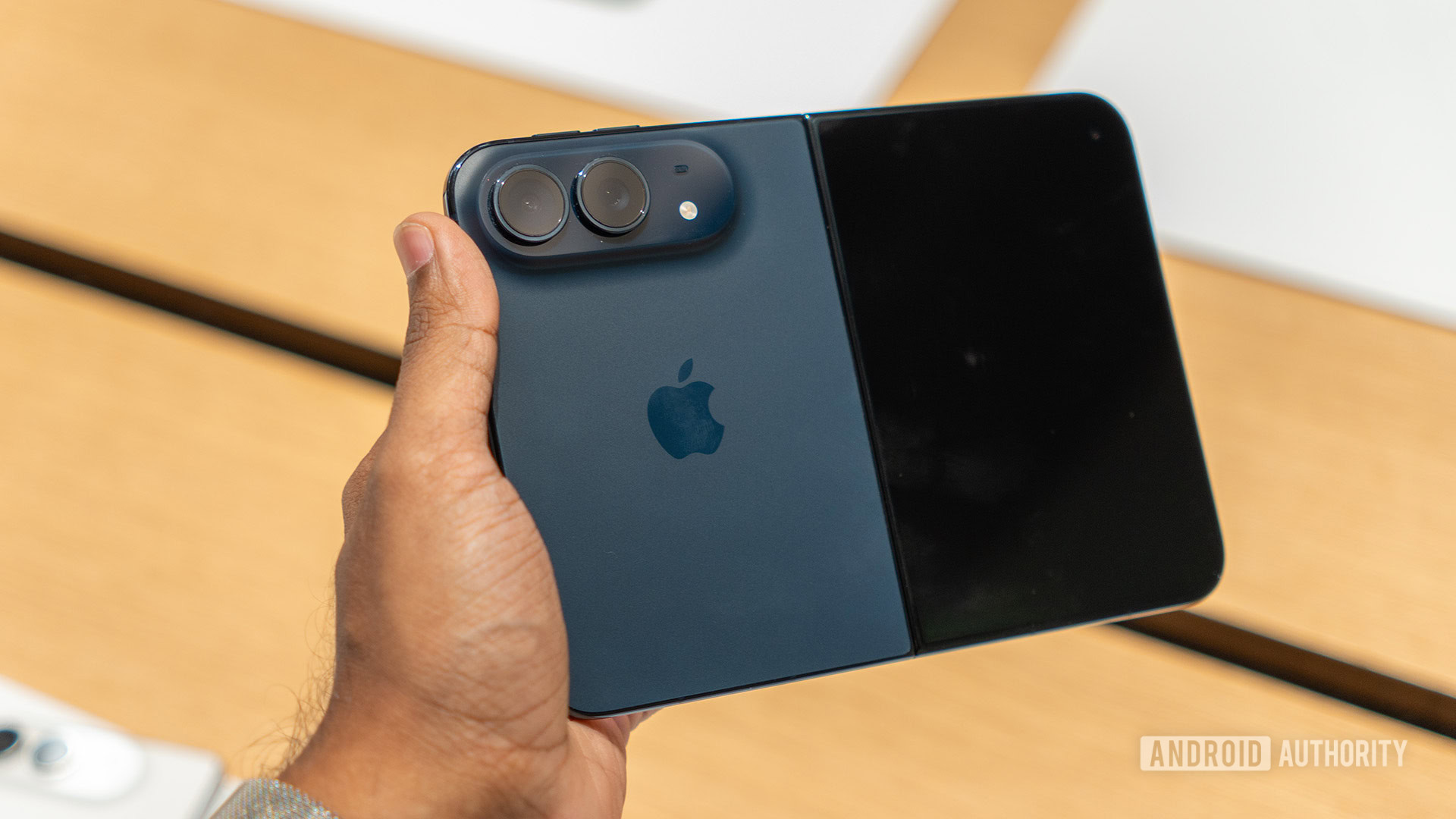
AT&T Offers for iPhone Duo: Up to $1,200 Off
AT&T rolls out deals for the iPhone Duo with significant discounts. Customers can save up to $1,200 with an eligible trade-in.
 Mobile
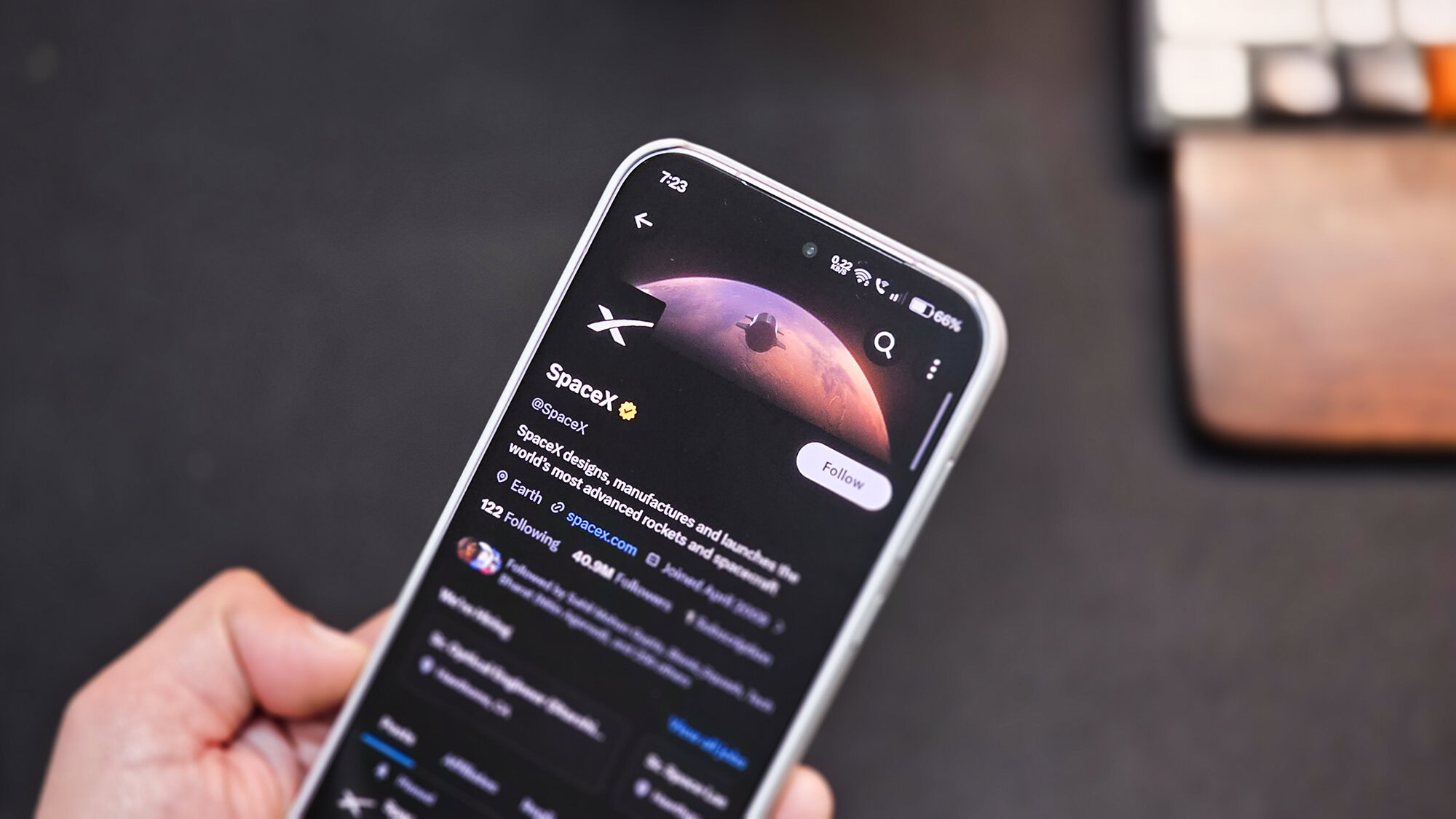
Starlink Mobile could challenge major carriers in the U.S.
SpaceX is taking steps to compete with AT&T, T-Mobile, and Verizon. It has acquired spectrum to enhance indoor coverage.