BYD launches Great Han electric sedan in China
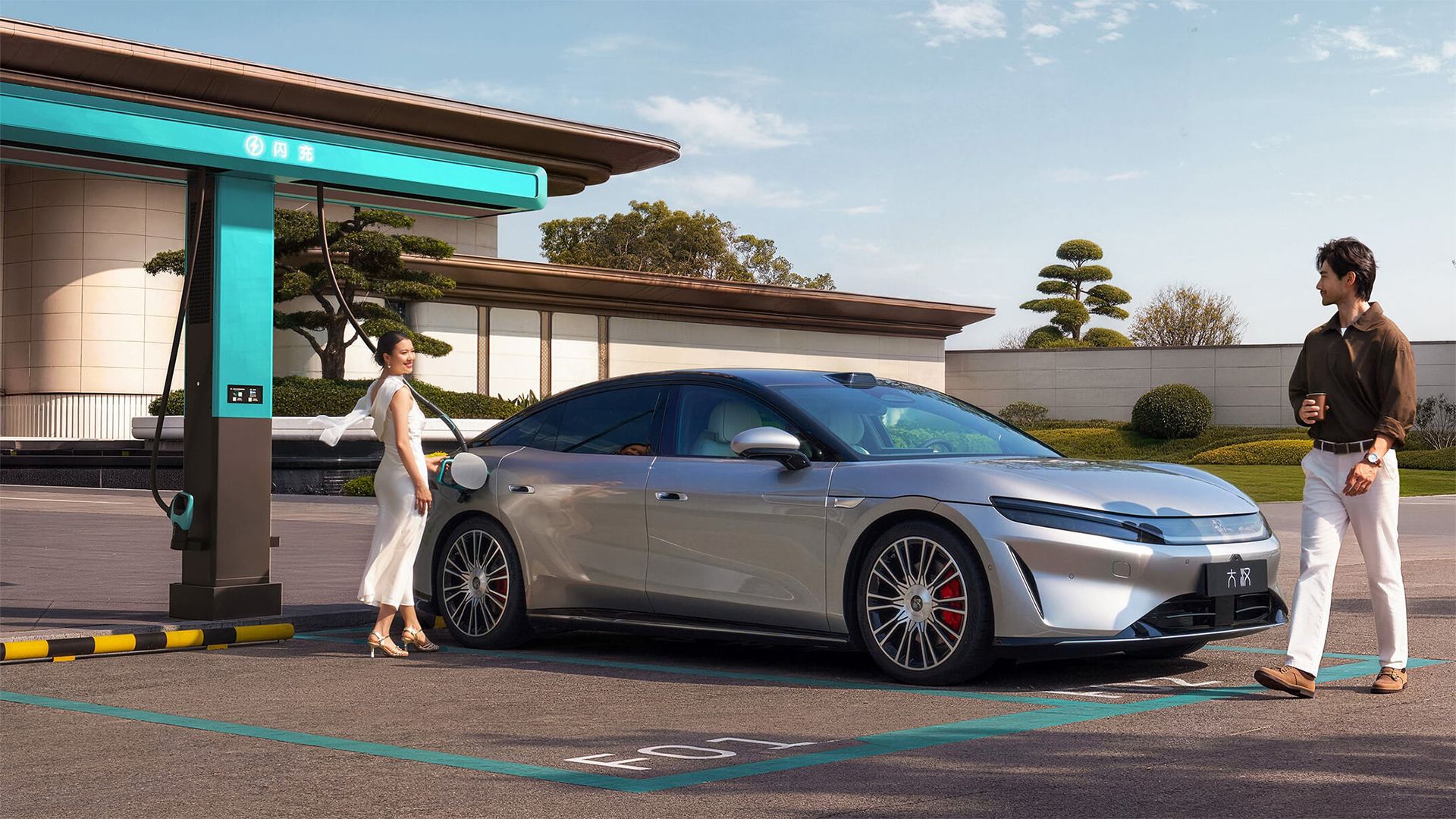
The new BYD sedan offers impressive range and fast charging. Priced competitively, it positions itself as a direct rival to luxury models like the Lucid Air.
BYD has unveiled its latest electric sedan, the Great Han, which promises to revolutionize the luxury car market in China. This vehicle not only achieves over 600 miles on test cycles but also features full charging in just nine minutes, making it an attractive option for consumers seeking efficiency and luxury.
## Why it matters The arrival of the Great Han represents a significant challenge to traditional luxury car manufacturers, who may see their market share threatened. Priced at 235,900 yuan (approximately $35,200), the Great Han offers advanced features that rival more expensive models, potentially changing the perception of luxury electric vehicles.
## What we know The Great Han is designed with cutting-edge technologies, including rear-wheel steering, dual-chamber suspension, and an augmented reality heads-up display. Additionally, its fast charging capability makes it ideal for users who need a vehicle that combines luxury with practicality.
## What remains unclear It has not yet been confirmed when the Great Han will be available in markets outside of China or if BYD plans to expand its offerings to other segments of electric vehicles in the future. The response from consumers and competition in the global market are also factors to watch in the coming months.
Read at the original source:
TechRadar →Related news
 Mobile
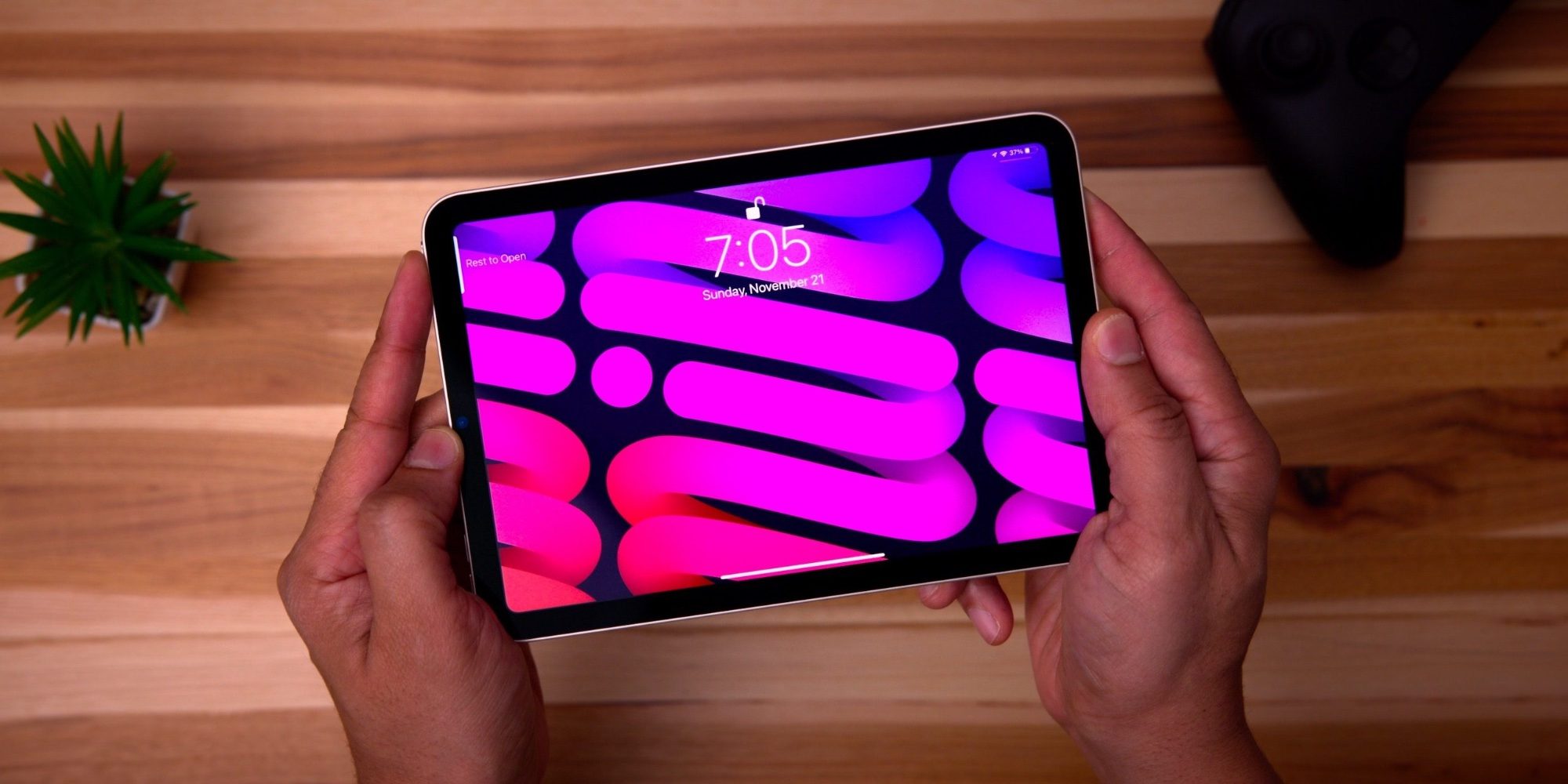
Apple lists unreleased iPad mini accessory ahead of launch
Apple might be set to launch a new OLED iPad mini. An oversight on their French website may have confirmed its existence.
 Mobile
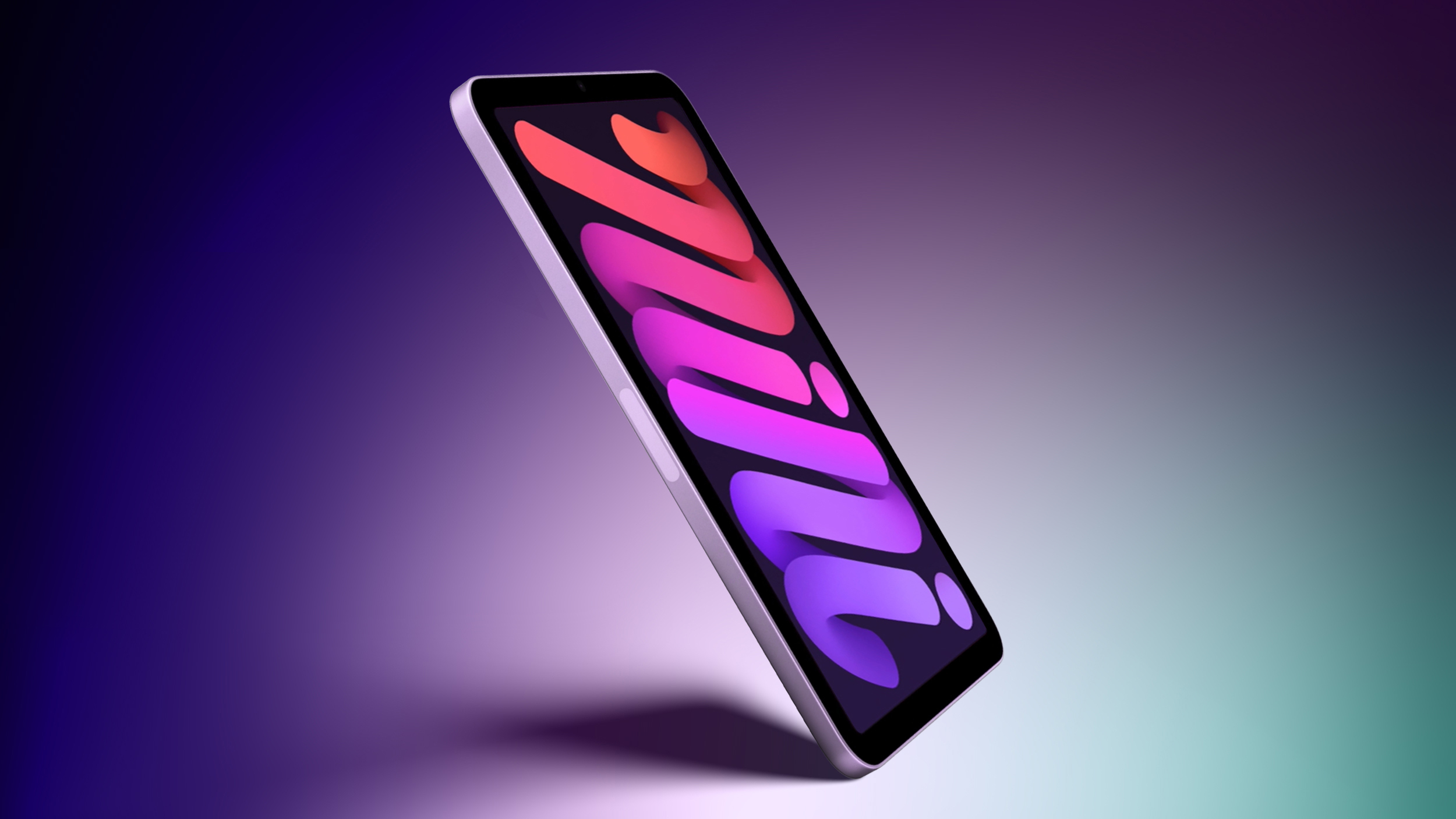
Apple hints at iPad Mini 8 with new Smart Folio
A new Smart Folio for the iPad Mini has been listed on Apple's website, suggesting an upcoming iPad Mini 8 release. This model may feature significant design changes and enhancements.
 Mobile
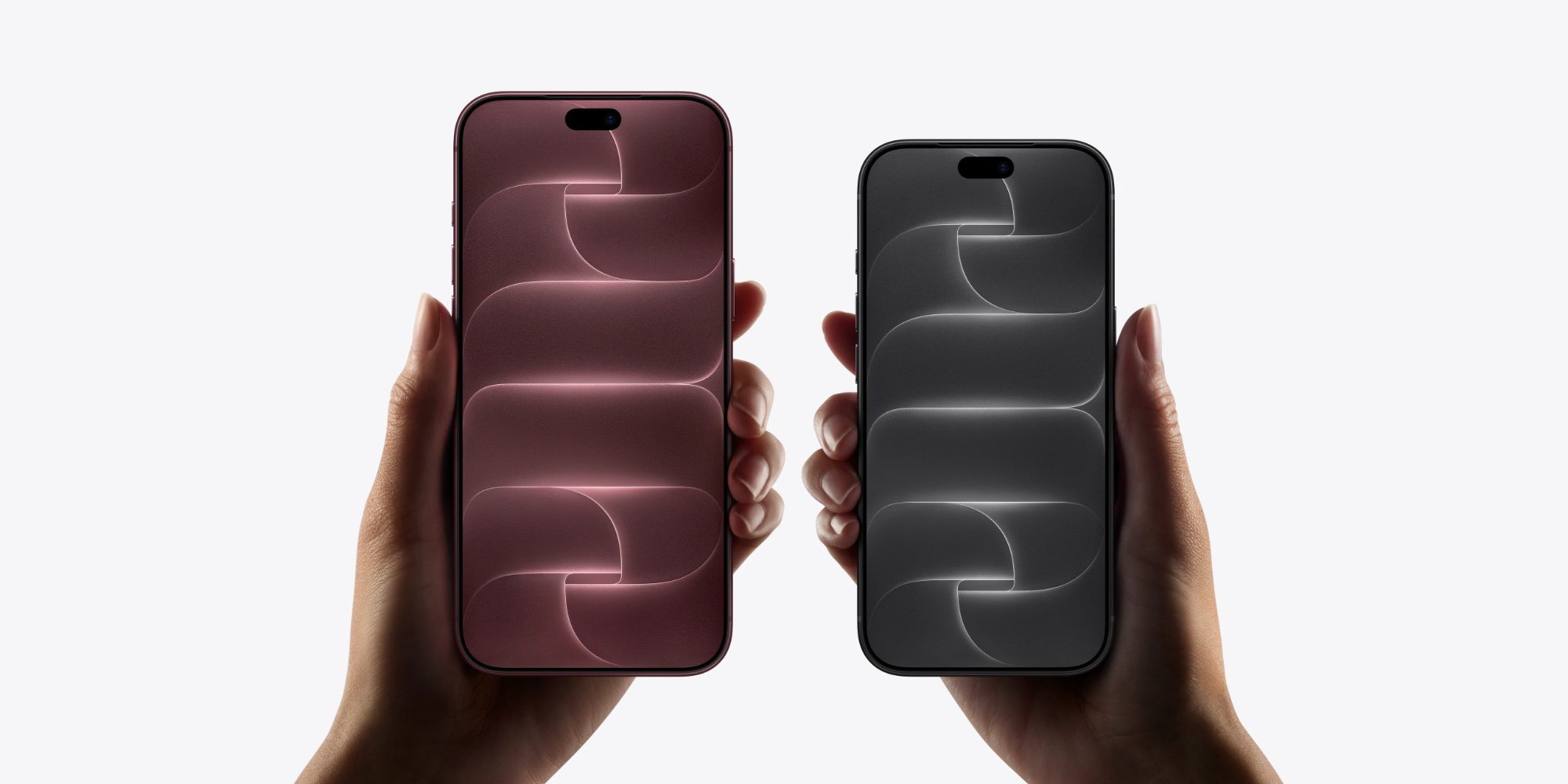
Apple closes in on Samsung as smartphone shipments decline
Apple saw a 4% drop in iPhone shipments but increased its market share to 23.1%.