Google launches Universal Cart for seamless shopping
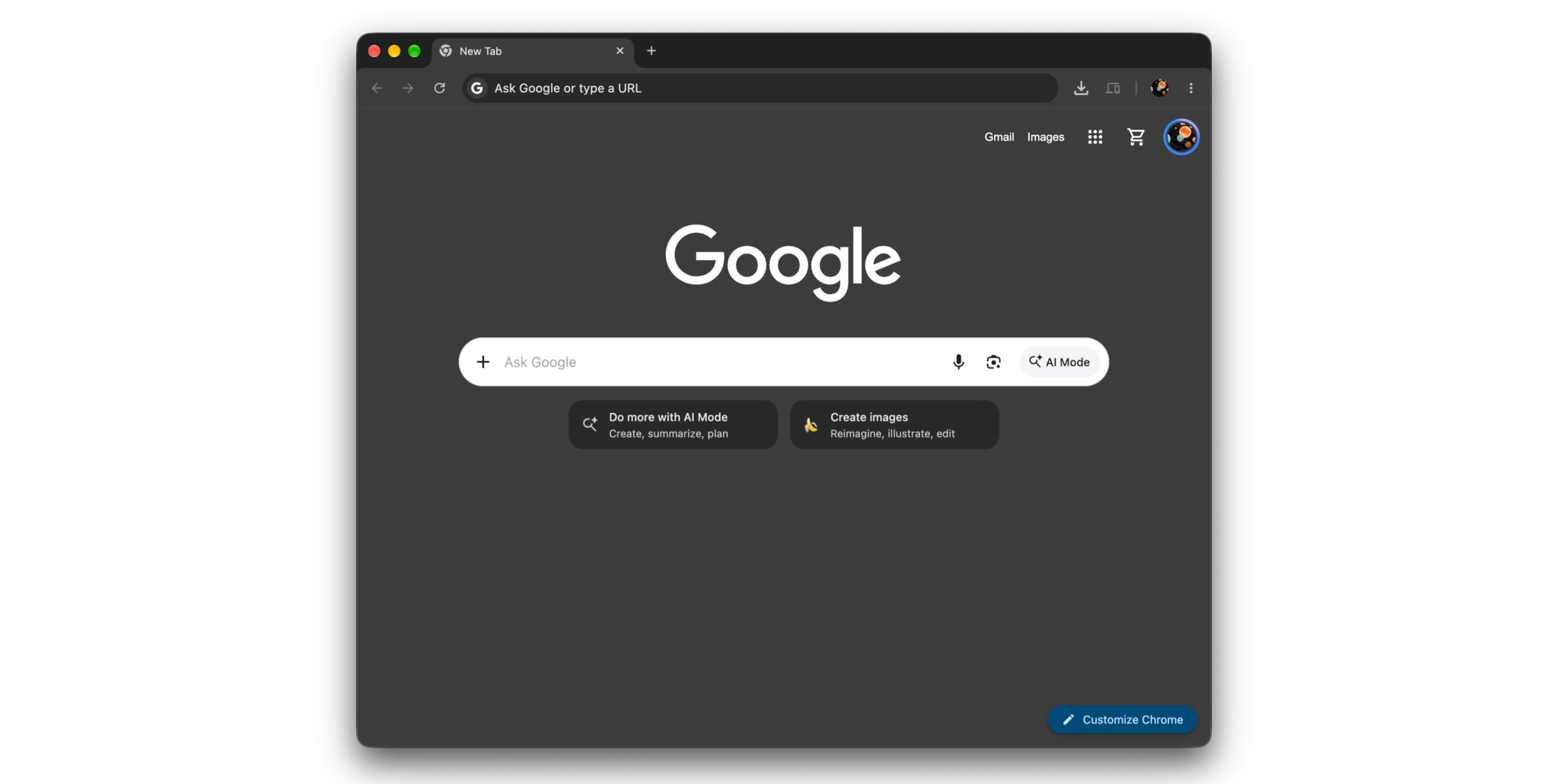
Google has started rolling out its Universal Cart, enhancing shopping across its platforms.
Yesterday, Google began rolling out its Universal Cart, a tool aimed at integrating the shopping experience across its digital ecosystem. This new cart will be available on various platforms, including the search homepage, AI Mode, Chrome, and the Gemini app.
## Why it matters This development marks a significant shift in how users can engage with e-commerce through Google. By embedding the shopping cart across multiple applications and platforms, Google makes it easier for consumers to manage their purchases more efficiently and accessibly.
## What we know Google has confirmed that the Universal Cart will be available on several of its services, suggesting a focus on creating a smoother and uninterrupted shopping experience. This could mean that users will be able to add products to their cart from different applications and then check out in one place.
## What’s still unclear However, specific details such as the exact functionality of this cart, whether there will be restrictions on the types of products that can be added, or how payments and user information will be managed across these platforms have not been provided. The company has not disclosed when it will be fully available to all users.
Read at the original source:
9to5Google →Related news
 Apps
AppsApple bans 'nudify' AI apps in updated App Store rules
Apple has revised its App Store rules to explicitly ban 'nudify' apps that create intimate images without consent. This decision follows significant criticism regarding nonconsensual deepfakes.
 Apps
AppsApple's new App Store rules target deceptive apps and AI nudification
Apple has updated its App Review Guidelines to combat harmful content and deceptive practices in the App Store. These changes aim to protect users from misleading applications and inappropriate content.
 Apps
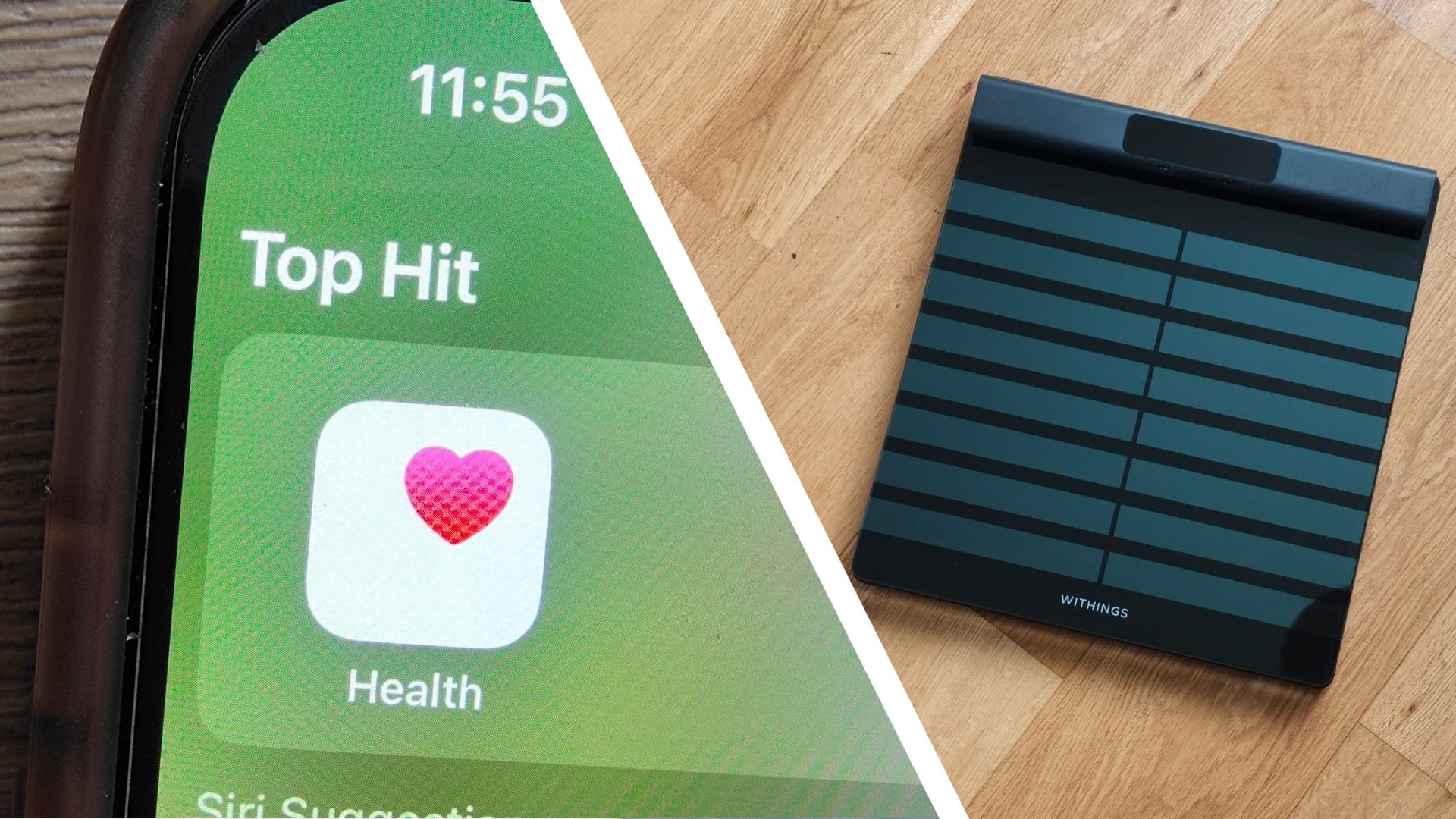
AppsWithings charges $100 annually for basic health data sync
Withings users now face a hefty subscription fee to sync health data. This move has sparked significant backlash among customers.