Martian ice may be cleaner than previously thought
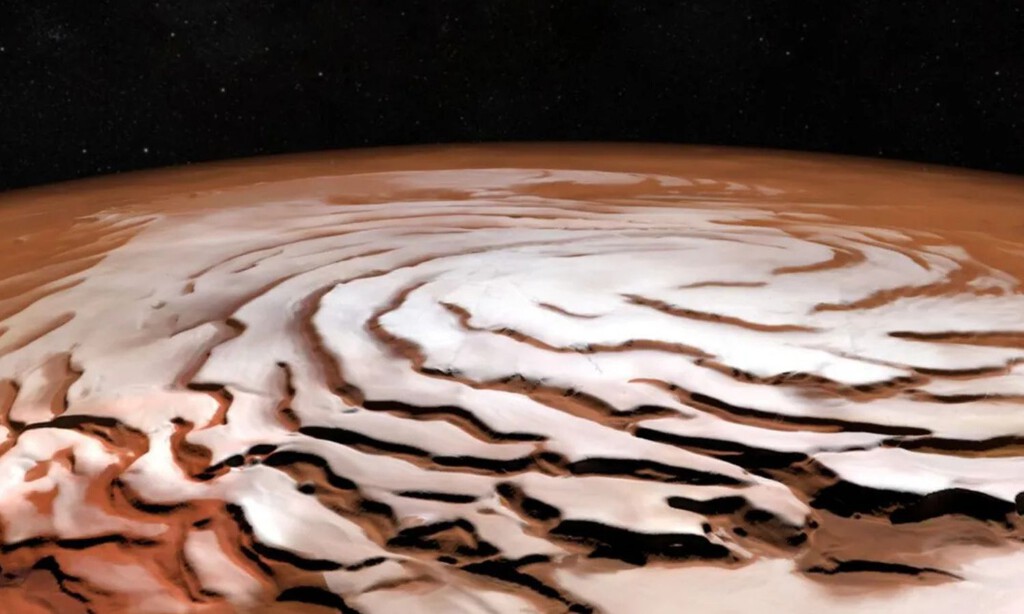
Recent research suggests that ice on Mars contains less dust than expected, impacting its habitability. This finding could change our understanding of the possibility of life on the red planet.
For years, science has maintained that the ice on Mars contained 25% dust, a crucial figure in understanding the planet's habitability. However, a recent study by scientists at the University of Washington has revealed that this figure may have been significantly overestimated, suggesting that the dust content in Martian ice is actually only 3%.
This discovery is not trivial, as the amount of dust in the ice can influence the chemistry of water and, consequently, the possibility of having suitable conditions for life. The presence of less dust could imply that the ice is purer, making it easier for microorganisms and other biological processes that require clean water to exist.
## Why it matters Revising these calculations about Martian ice is crucial for future missions and explorations of the red planet. If the ice is cleaner than previously thought, it opens up new opportunities for the search for life, as less contaminated environments may be more conducive to microbial life. Additionally, it redefines our expectations regarding the geology and history of water on Mars.
## What we know The study is based on a reevaluation of the methods used to calculate the dust content in Martian ice, which were previously based on an approach developed for lunar regolith. This new perspective could change how scientists approach research on Mars and its ability to support life.
## What remains unclear The implications of this new dust percentage in the ice are still being analyzed, and how this will affect the planning of future missions to Mars is yet to be determined. The scientific community is eager to see if this shift in data will lead to new theories about the planet's habitability.
Read at the original source:
Xataka →Related news
 Science
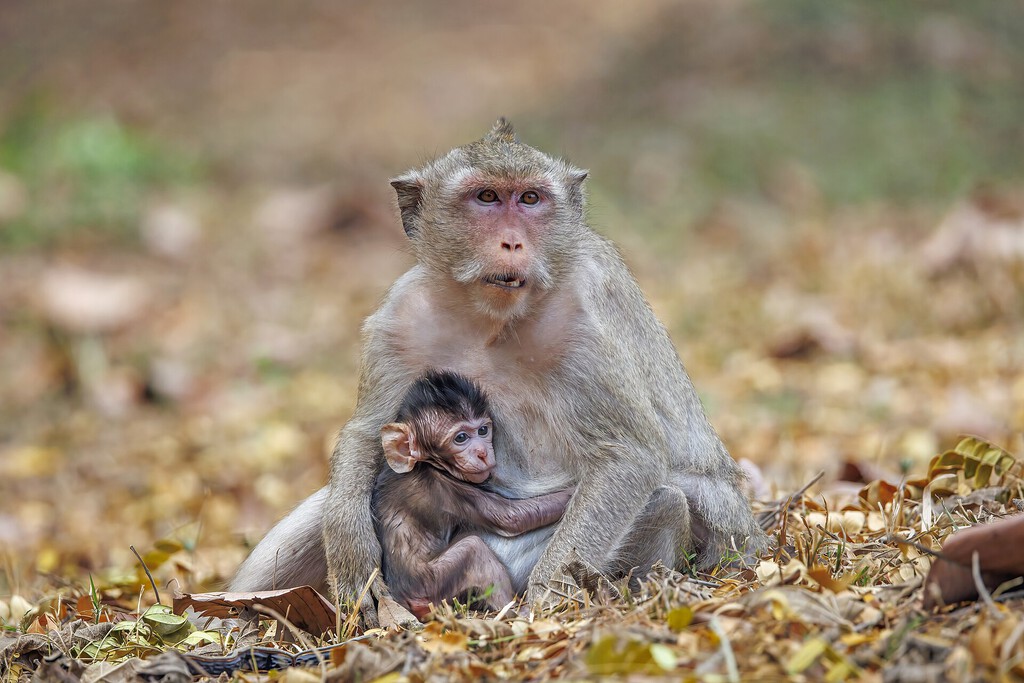
The bottleneck in scientific research is monkeys
China faces a critical shortage of monkeys for scientific research, impacting the development of treatments and medications.
 Science
Connection Between 2026 Super El Niño and Climate Change
The 2026 Super El Niño is emerging on a record-hot planet. Scientists are exploring its implications.
 Science
California's iconic redwoods are suffering from heatstroke
A new study reveals that California's redwoods slow down photosynthesis as temperatures rise. This poses serious implications for their future.