The bottleneck in scientific research is monkeys
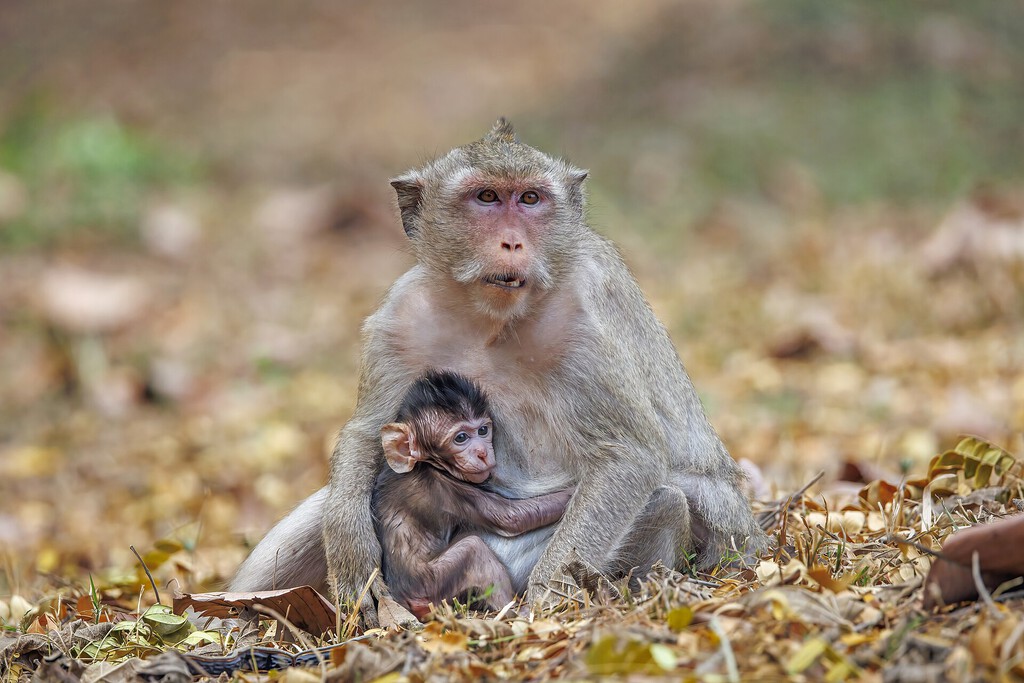
China faces a critical shortage of monkeys for scientific research, impacting the development of treatments and medications.
Recently, Joinn Laboratories, China's leading preclinical testing company, announced surprising financial results. In the first half of the year, the company reported profits of 747.5 million yuan, surpassing its revenues of 703.8 million. This increase is largely due to the revaluation of its 'biological assets,' referring to monkeys used in research.
This phenomenon raises a crucial question: why are monkeys increasing in price, and why are they so essential in scientific research? As the demand for these primates in clinical trials grows, the supply has become limited, leading to a significant increase in their market value.
## Why it matters The shortage of monkeys in China is not just an economic issue for biotechnology companies; it also represents a serious obstacle to advancing medical research. Monkeys are vital for developing and testing new treatments, and their lack can delay the arrival of crucial innovations in public health.
## What we know Joinn Laboratories has seen an increase in the value of its biological assets due to the revaluation of monkey prices in the market. This situation has led the company to report positive financial results, despite not having sold more monkeys.
## What remains unclear It has not yet been confirmed how China plans to address this shortage of monkeys or if there are strategies underway to increase supply. Additionally, the specific factors leading to this price increase are not known, further complicating the situation for researchers.
Read at the original source:
Xataka →Related news
 Science
California's iconic redwoods are suffering from heatstroke
A new study reveals that California's redwoods slow down photosynthesis as temperatures rise. This poses serious implications for their future.
 Science
Controlling 2D semiconductor growth for future chips
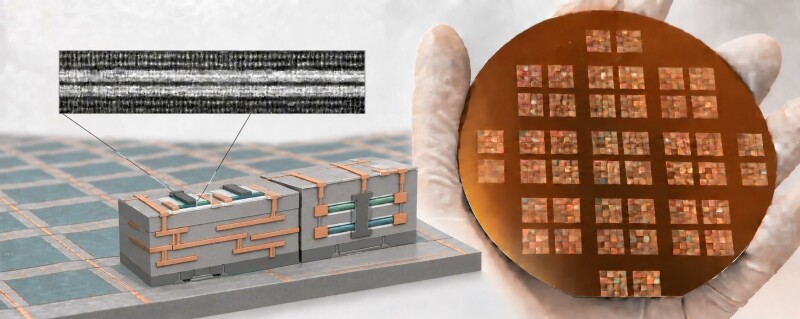
Researchers have developed a method to control the growth of 2D semiconductor crystals, potentially transforming chip manufacturing. This advancement could facilitate the large-scale production of next-generation technology.
 Science
The toxic legacy of the hydroelectric mega project in Québec
A hydroelectric project in 1971 in Québec had dire consequences for the Cree people. The flooding of large areas released mercury, contaminating local fish.