The toxic legacy of the hydroelectric mega project in Québec

A hydroelectric project in 1971 in Québec had dire consequences for the Cree people. The flooding of large areas released mercury, contaminating local fish.
In 1971, the ambitious hydroelectric mega project at James Bay in Québec was presented as a solution to provide clean energy to millions. However, the creation of massive reservoirs had a devastating collateral effect: the release of natural mercury from the soil, which poisoned aquatic ecosystems and, consequently, the Indigenous Cree population that relied on fish from those rivers.
The reservoirs flooded over 11,500 square kilometers of forest, disrupting the local ecology and affecting the quality of life for the Cree. This community, which had subsisted for generations through fishing, found that fish that were once a safe food source now posed a serious health risk, particularly affecting the nervous system of those who consumed it.
This case highlights the importance of considering not only the energy benefits of hydroelectric projects but also their long-term effects on local communities and the environment. The history of the James Bay mega project serves as a reminder that technological progress must be balanced with social and environmental responsibility.
## Why it matters The situation of the Cree underscores the risks associated with the exploitation of natural resources without proper assessment of their consequences. This historical episode should serve as a lesson for future projects, emphasizing the need for a sustainable approach that considers the health of communities and the environment.
## What we know The hydroelectric mega project at James Bay, although designed as an advance in clean energy, resulted in the contamination of vital food sources for the Cree people. The release of mercury has had detrimental effects on the health of this community, which still faces the repercussions of that decision.
## What is still unclear The full extent of the long-term effects of mercury on the health of the Cree population has yet to be confirmed, nor has it been established whether effective measures have been implemented to mitigate contamination in the area. The company responsible for the project has not detailed a clear plan to address these concerns.
Read at the original source:
Xataka →Related news
 Science
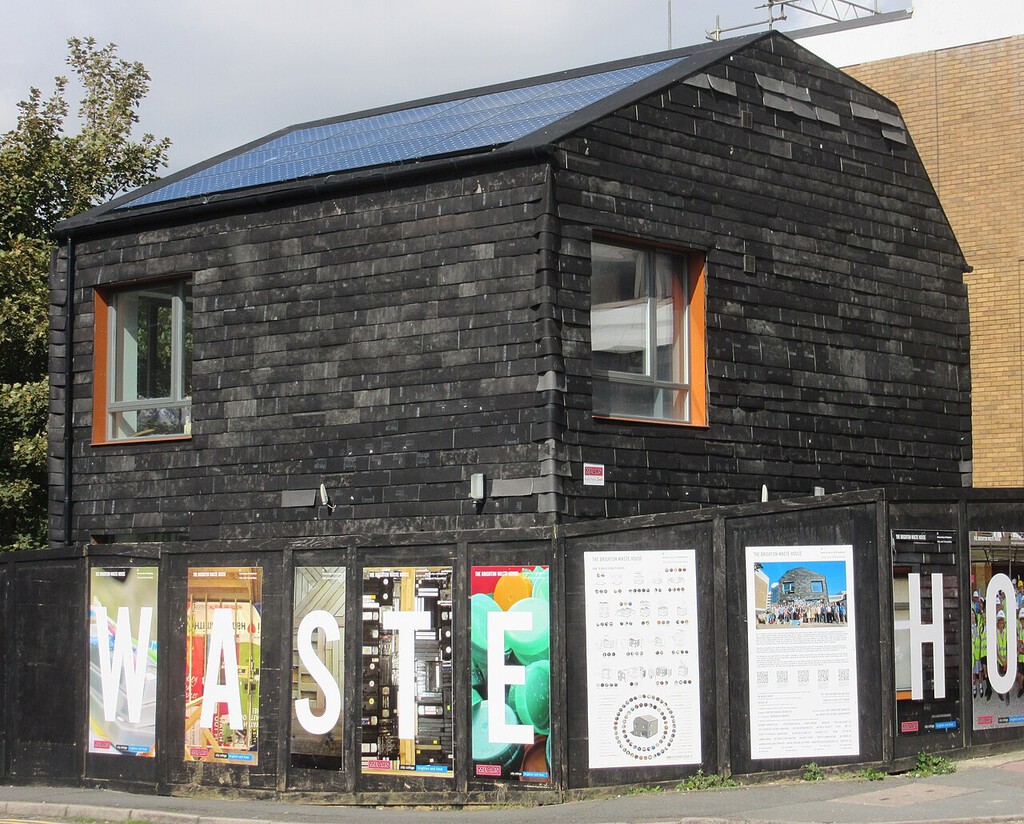
Waste House: A Home Built from Waste
Waste House in Brighton exemplifies architectural sustainability. Constructed from recycled materials, it redefines the concept of social housing.
 Science
The ambitious US experiment to create a 'superdog'
A post-war project aimed to develop an extraordinarily intelligent dog through genetics. After 13 years of research, unexpected limitations were discovered.
 Science
Sleeping 80 minutes less may lead to weight gain
A new study shows that sleeping less than 80 minutes can lead to weight gain in six weeks. This highlights the importance of sleep for metabolic health.