The ambitious US experiment to create a 'superdog'
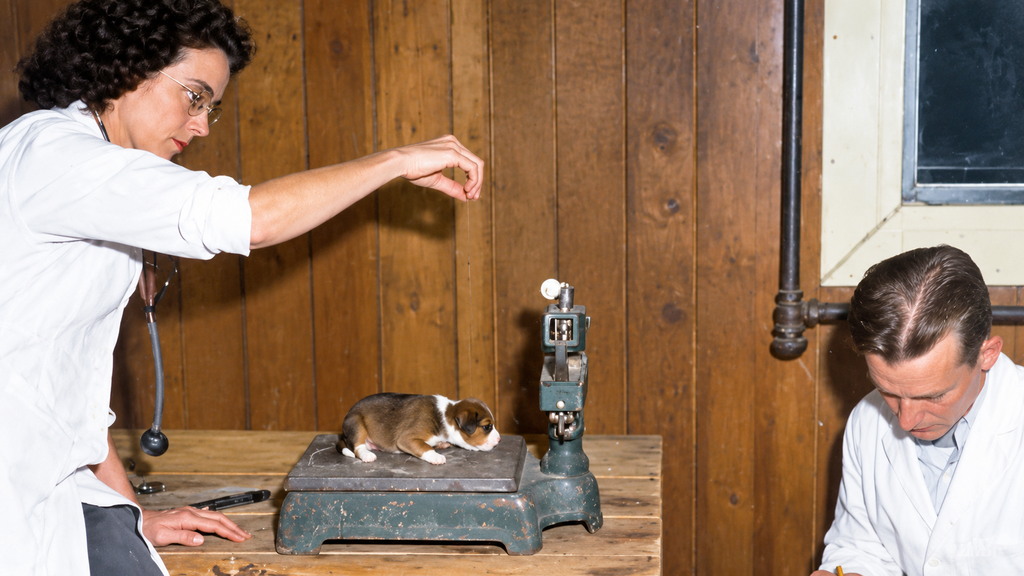
A post-war project aimed to develop an extraordinarily intelligent dog through genetics. After 13 years of research, unexpected limitations were discovered.
In 1945, the United States launched one of the most ambitious experiments in canine science history, known as the 'School for Dogs'. This project, backed by the Rockefeller Foundation, sought to determine if it was possible to breed an exceptionally intelligent dog through genetic selection. A total of $632,000 was allocated at the time, equivalent to nearly nine million dollars today, and over 500 puppies were involved over a 13-year period.
The experiment took place in Maine and was led by researchers John Paul Scott and John Fuller. They used five different breeds: cocker spaniel, beagle, Shetland sheepdog, basenji, and wire-haired fox terrier. Each breed was studied from birth, aiming to identify genetic traits that could lead to a dog with superior abilities.
## Why it matters This project is an interesting example of how science has attempted to apply genetics to animal breeding, seeking not only to improve existing breeds but also to explore the limits of canine intelligence. The investment and effort dedicated to this experiment reflect human curiosity about understanding and manipulating nature.
## What we know Despite the ambition behind the project, after more than a decade of research, the results were not as expected. Scientists realized that genetics was not the only factor influencing dog intelligence, leading to a reassessment of existing theories on breeding intelligent animals.
## What remains unclear The specific findings that led researchers to conclude that genetics alone could not create a 'superdog' have not yet been detailed. This lack of information leaves open questions about what other factors, besides genetics, could influence dog intelligence.
Read at the original source:
Xataka →Related news
 Science
Sleeping 80 minutes less may lead to weight gain
A new study shows that sleeping less than 80 minutes can lead to weight gain in six weeks. This highlights the importance of sleep for metabolic health.
 Science
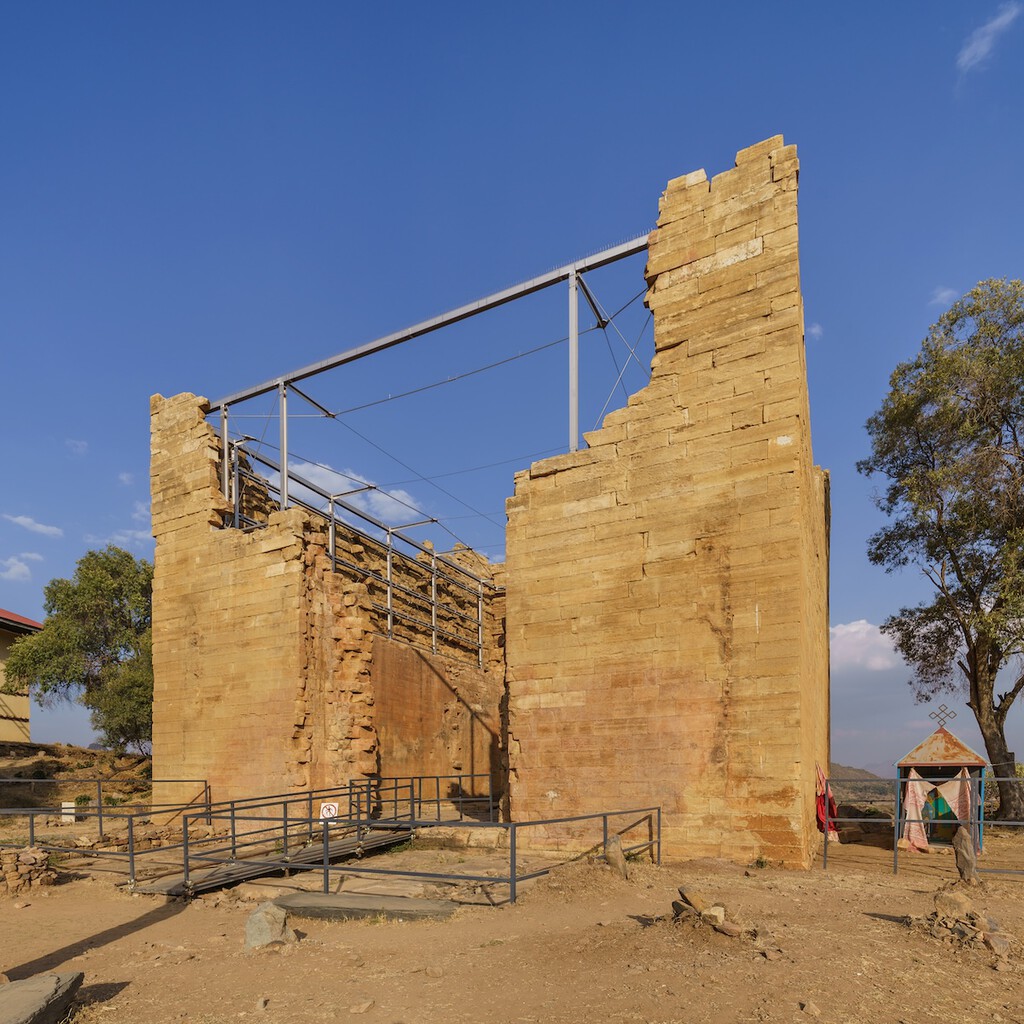
Did Africa have a skyscraper 2,800 years ago?
A study reveals that an ancient building in Ethiopia could be considered a skyscraper. This changes our perception of architecture in Africa.
 Science
Aragonese farmer preserves traditional pumpkins
Francisco Bescós, a farmer from Huesca, donates seeds of pumpkins cultivated by his family for 200 years to preserve their legacy. This action highlights the importance of agricultural biodiversity.