Did Africa have a skyscraper 2,800 years ago?
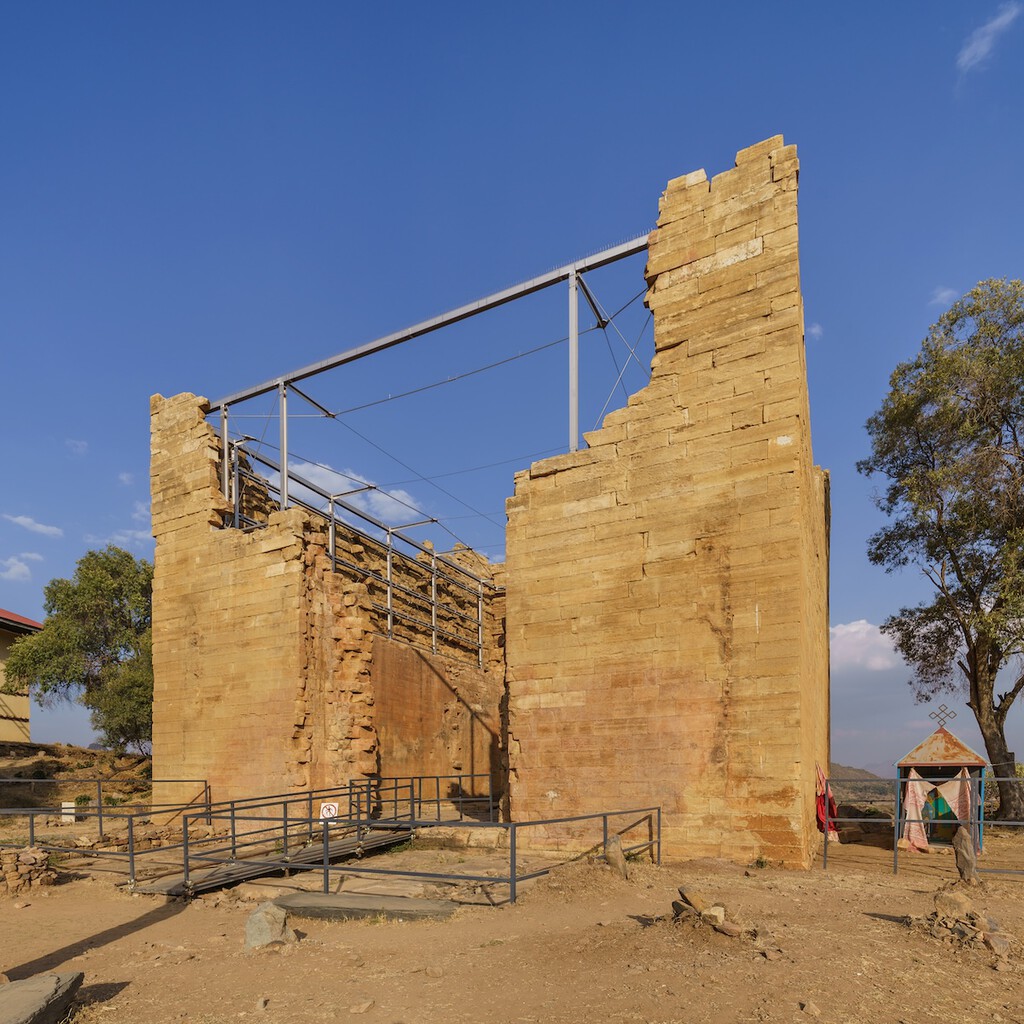
A study reveals that an ancient building in Ethiopia could be considered a skyscraper. This changes our perception of architecture in Africa.
Recently, a study has suggested the intriguing possibility that Africa had a "skyscraper" approximately 2,800 years ago. This building is located in the Tigray region of Ethiopia and is known as Grat Be'al Gibri, a palace that was the largest of its kind in southern Arabia and East Africa at the time. Although today it lies in ruins, its size and structure are significant for the history of architecture.
## Why it matters The existence of Grat Be'al Gibri challenges preconceived notions about the architectural history of Africa and its urban development. It invites us to reconsider what we define as a skyscraper and recognize that ancient civilizations had advanced architectural capabilities long before commonly believed.
## What we know The palace had a footprint of 60 meters by 60 meters, and while its exact height has not been determined, its size already positions it as a monumental building for its time. This suggests that ancient societies in Africa were exploring architectural concepts that would later be associated with modern urban development.
## What is still unclear The original height of the building remains unknown, as does how it would compare to modern skyscrapers. Additionally, research on the functionality and social impact of this palace on the Yeha community is still in its early stages.
Read at the original source:
Xataka →Related news
 Science
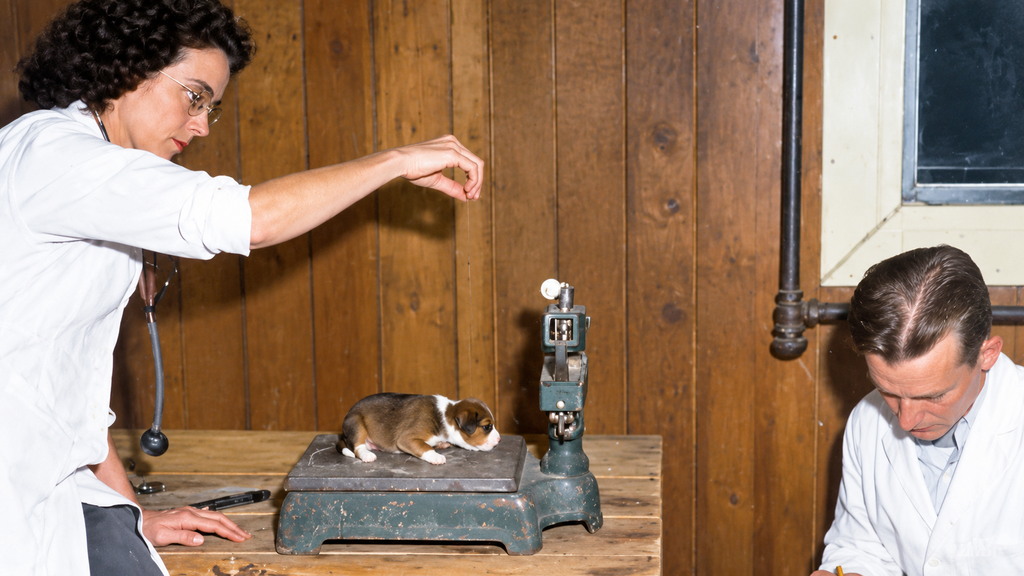
The ambitious US experiment to create a 'superdog'
A post-war project aimed to develop an extraordinarily intelligent dog through genetics. After 13 years of research, unexpected limitations were discovered.
 Science
Sleeping 80 minutes less may lead to weight gain
A new study shows that sleeping less than 80 minutes can lead to weight gain in six weeks. This highlights the importance of sleep for metabolic health.
 Science
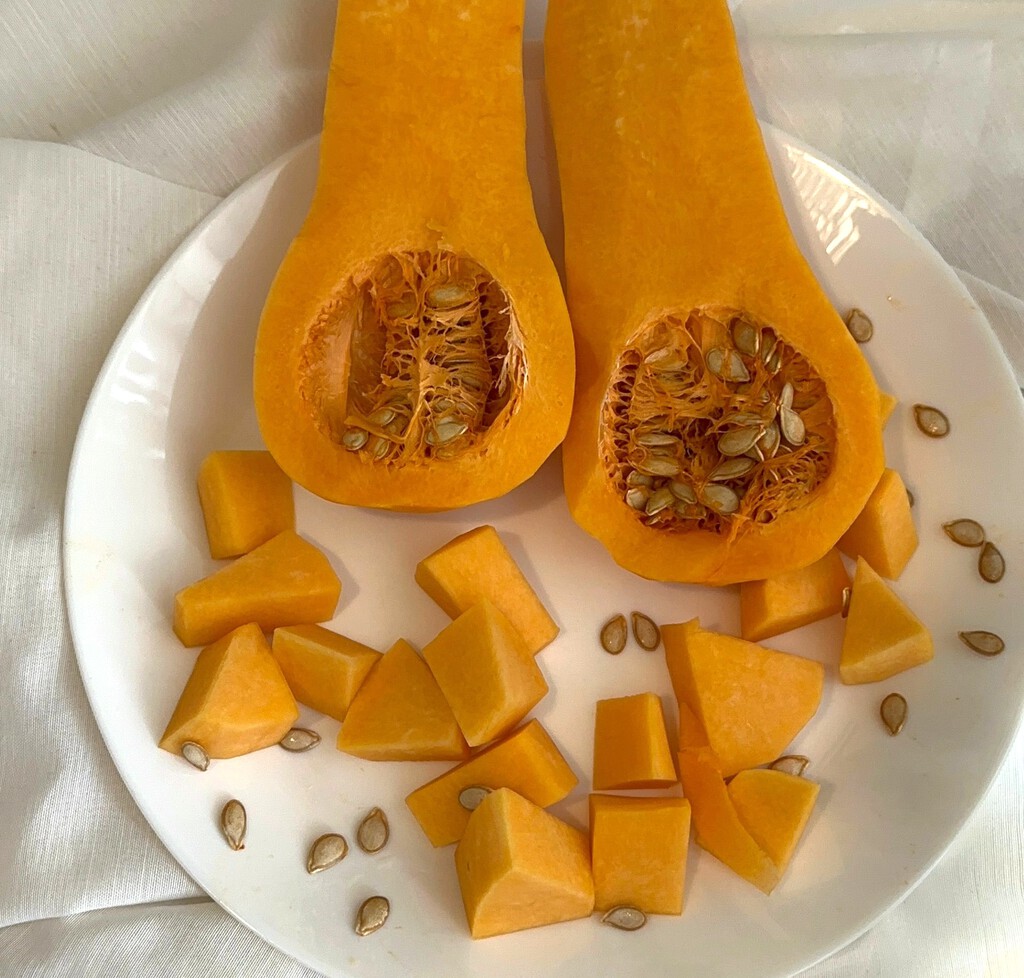
Aragonese farmer preserves traditional pumpkins
Francisco Bescós, a farmer from Huesca, donates seeds of pumpkins cultivated by his family for 200 years to preserve their legacy. This action highlights the importance of agricultural biodiversity.