Microsoft allows Copilot to access your files in Windows

Microsoft is integrating Copilot into its operating system, allowing it to access user files. This new feature is presented as hybrid intelligence, combining local and cloud models.
Microsoft has announced that its artificial intelligence assistant, Copilot, will have access to files within the Windows operating system. This decision has raised concerns among users, recalling the controversies surrounding Windows Recall. However, the company assures that the implementation will be secure, as the agents powering this functionality will primarily operate on the user's device.
The new feature, unveiled alongside an Nvidia N1X-powered Surface Laptop, is termed "hybrid intelligence." This means that Copilot will be able to utilize local AI models for simple or privacy-sensitive tasks, while resorting to cloud models for more complex operations requiring higher performance, such as OpenAI's GPT-6 or Anthropic's Claude.
This approach aims to optimize user experience by allowing Windows applications and Copilot functionalities to adapt to specific needs at any given moment. By using local models, the risks associated with privacy are expected to be reduced, while still leveraging advanced AI capabilities when necessary.
## Why it matters The ability of Copilot to access system files raises questions about user data privacy and security. While Microsoft guarantees that access will be secure, the integration of AI in file management could change how users interact with their operating system and data.
Moreover, the implementation of hybrid intelligence could signify a significant shift in how applications are developed and utilized in the future, as it combines the power of cloud-based AI with the need to maintain local data privacy.
## What we know Microsoft has confirmed that Copilot will be able to access user files and that this feature will primarily be implemented through local models on the device. The company has also mentioned using cloud models for tasks that require them, indicating a flexible approach to AI in its operating system.
## What remains unclear It is still unclear how file access permissions will be managed or what specific measures will be implemented to ensure user privacy. Additionally, information on when this functionality will be launched and how it will affect users who are hesitant to share their data with cloud services is still pending.
Read at the original source:
The Register →Related news
 Software
First RCs of macOS Sequoia and Tahoe Now Available
Apple has released the first Release Candidates of macOS Sequoia 15.8.2 and Tahoe 26.7.2 for public beta testers and developers.
 Software
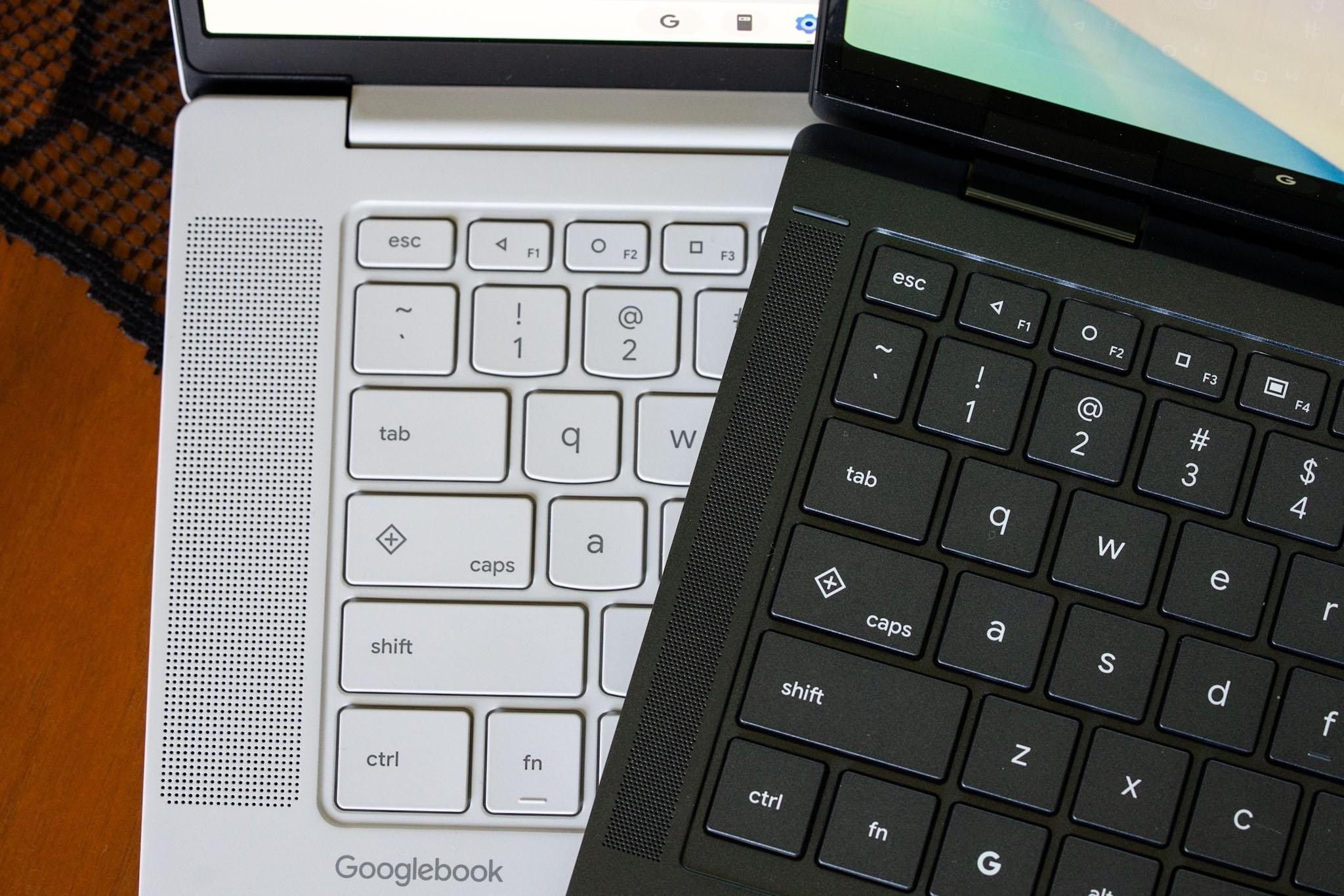
Android's navigation buttons return to Googlebooks
Googlebooks keyboards feature old Android navigation icons, marking a nostalgic return to physical interfaces.
 Software
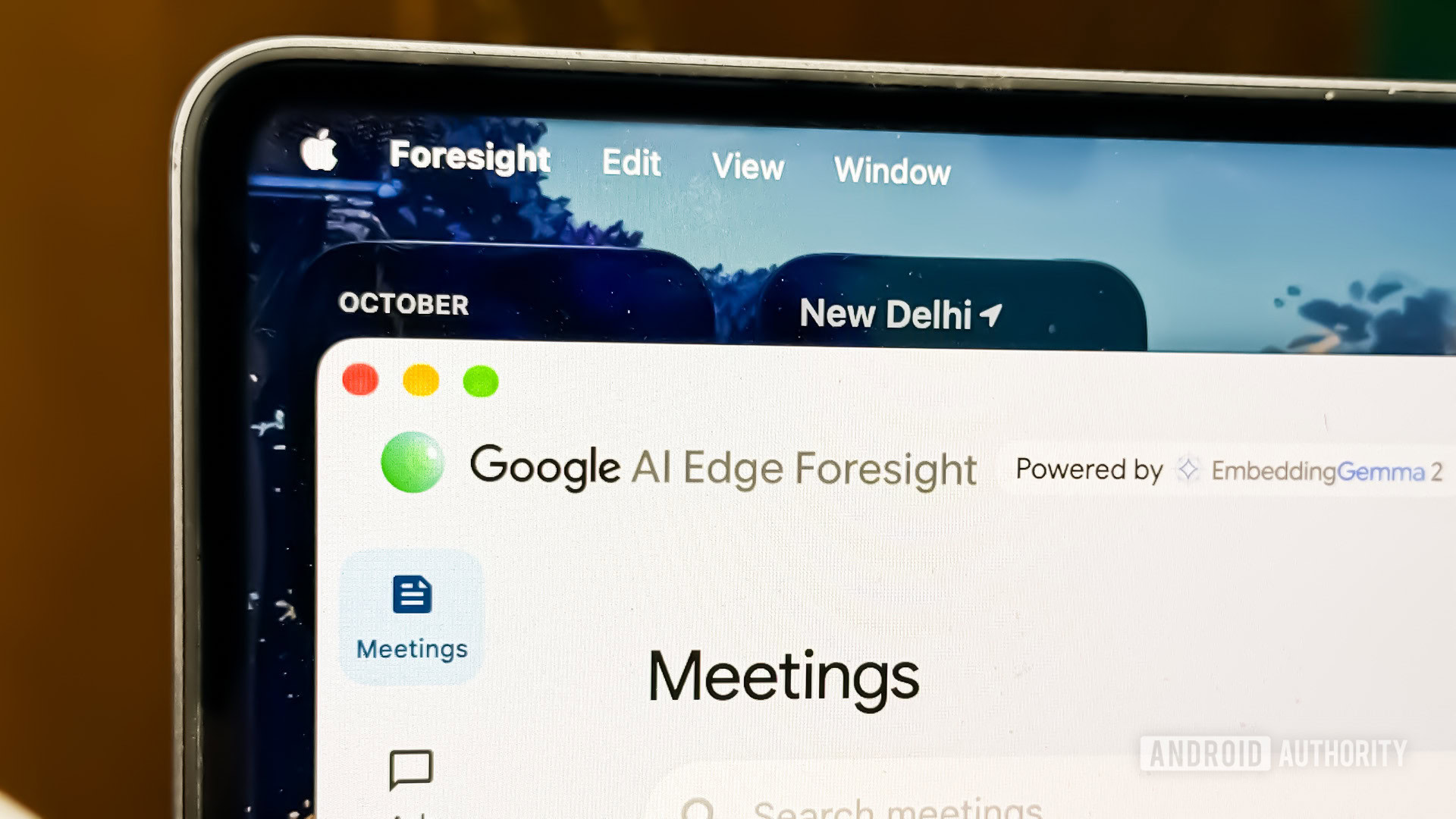
Google launches app to turn bullet points into full notes
Google has unveiled a new Mac app that transforms shorthand notes into detailed documents using artificial intelligence.