NASA Releases Nearly 1 TB of Artemis II Data to Public
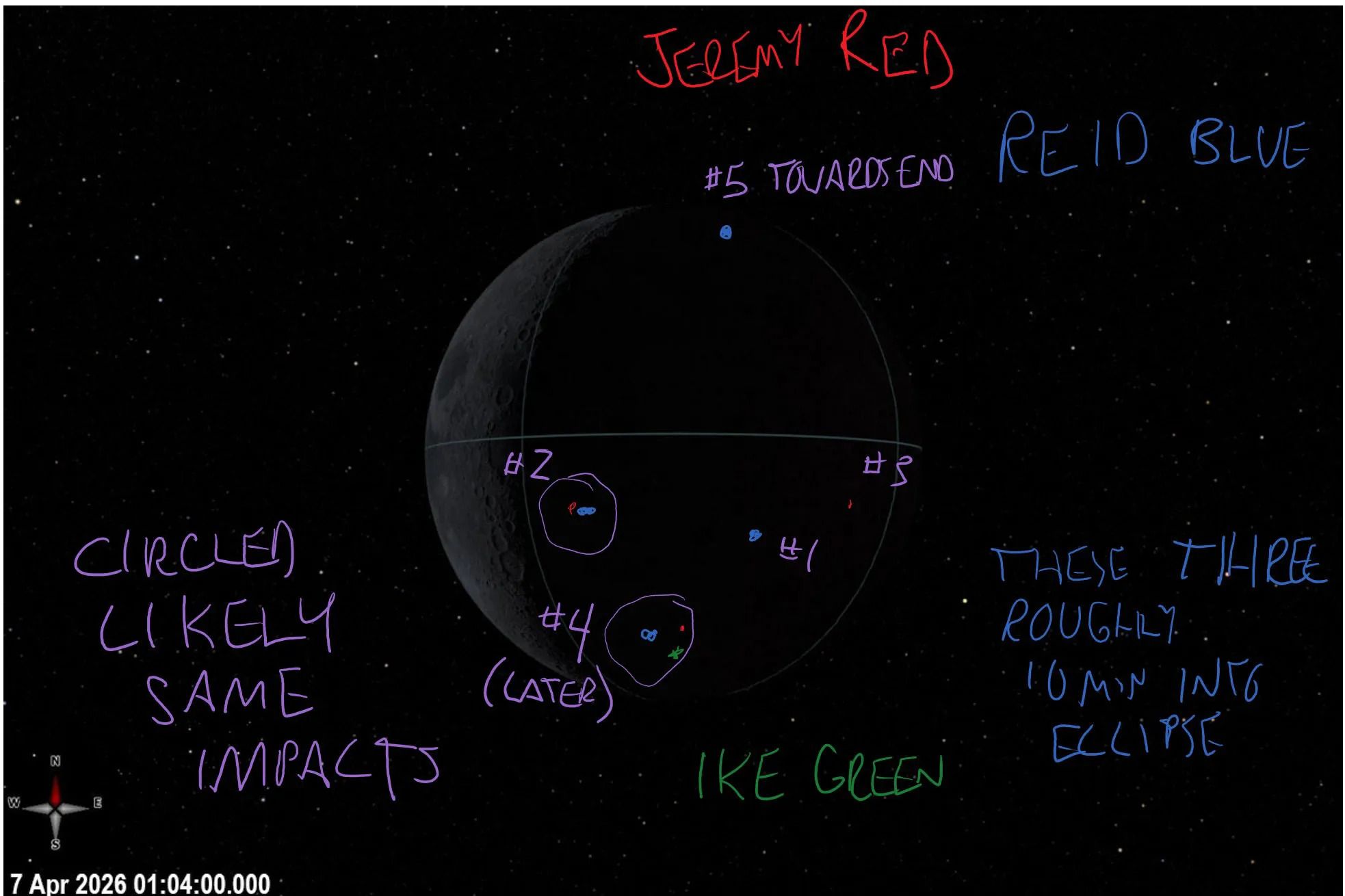
NASA has made nearly 1 TB of Artemis II data available to the public, including photographs, audio, and astronaut notes.
Recently, NASA released nearly 1 terabyte of data related to the Artemis II mission, marking a significant step for lunar exploration. This data set includes a variety of materials such as photographs, audio recordings, videos, and astronauts' notes, which will be crucial for studying the moon and preparing for future human missions.
## Why it matters The availability of this data represents a unique opportunity for researchers, students, and space enthusiasts. By opening this information to the public, NASA encourages collaboration and interest in space exploration, which could lead to new ideas and approaches for future missions.
## What we know This data release not only provides visual and auditory materials but also crucial information that scientists will use to analyze the lunar surface and plan future missions. The diversity of formats ensures that different audiences can engage with the content in meaningful ways.
## What remains unclear While the amount and type of available data has been confirmed, it has yet to be specified how this data will be organized and presented to the public. Additionally, there are no details on whether any preliminary analysis will accompany the data to facilitate understanding and usage.
Read at the original source:
Wired →Related news
 Science
Outrage grows over CDC's potential vaccine trial funding
The CDC faces backlash for its intent to fund a controversial vaccine trial in Guinea-Bissau, despite ethical concerns.
 Science
ALBATROSS: a droppable drone boat that spirals down
Researchers at SUTD have developed ALBATROSS, a unique drone boat that descends in a spiral. This innovative design allows for a soft landing on water without complex landing mechanisms.
 Science
Tropical Storm Isaias to Become First Hurricane of 2026
Tropical Storm Isaias is poised to become the first hurricane of the Atlantic season, bringing life-threatening rain and storm surge to the Gulf Coast.