NASA's SR-71 Blackbird disappearance sparks speculation
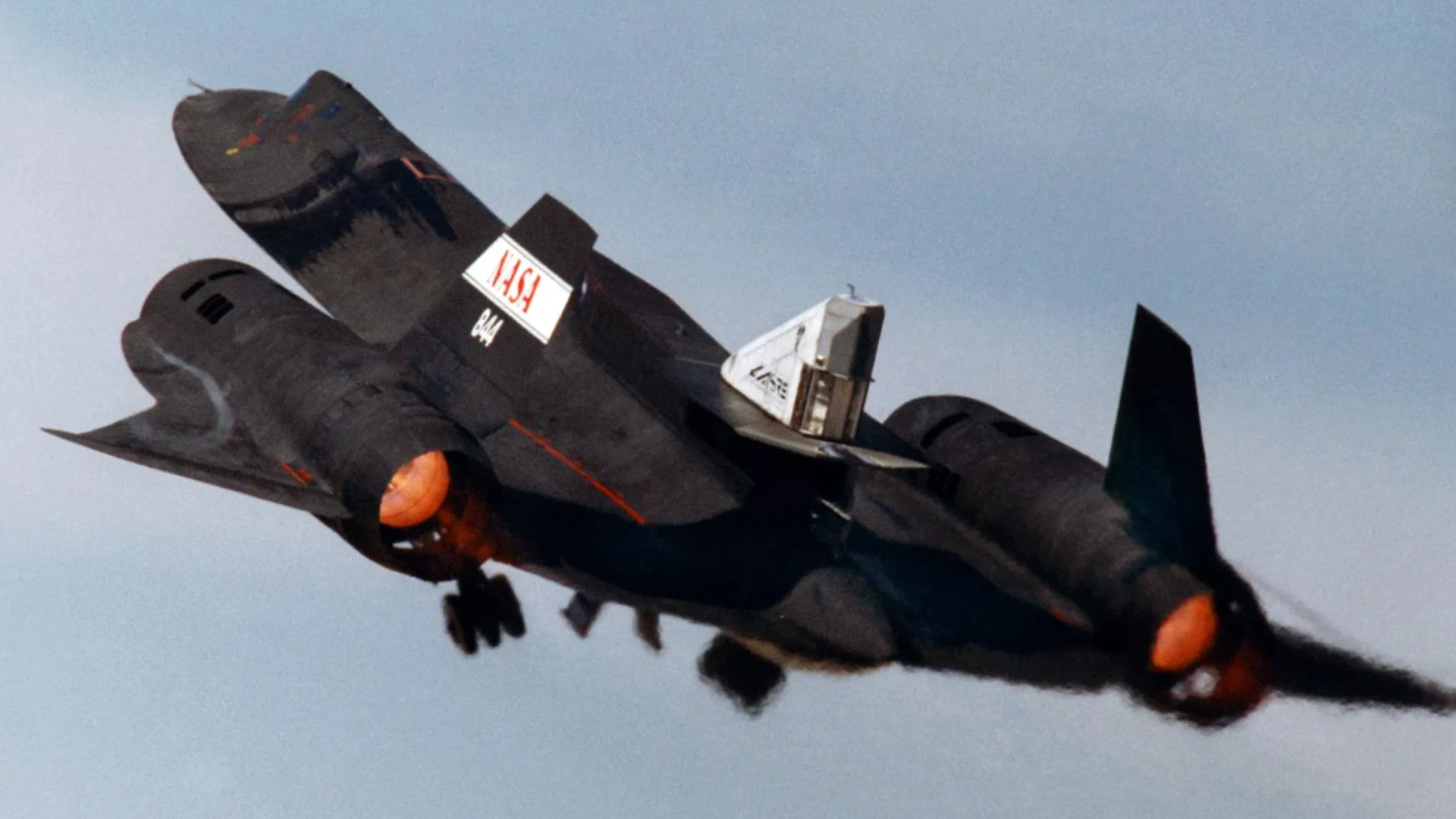
The SR-71 Blackbird has vanished from NASA's display, igniting speculation about its future.
The iconic SR-71 Blackbird, known as the fastest plane in the world, has disappeared from its display at NASA's Armstrong Flight Research Center. Satellite imagery indicates that the aircraft left its pole by mid-May 2026, or possibly as early as April. This sudden disappearance has raised numerous questions about NASA's plans regarding this legendary aircraft.
The situation has generated a wave of speculation among aviation enthusiasts and former NASA employees. It becomes even more intriguing as just months before its disappearance, NASA administrator Jared Isaacman showcased a silhouette resembling the Blackbird at an event in Los Angeles, leading many to wonder if there are plans underway to bring this iconic plane back into action.
## Why it matters The disappearance of the SR-71 Blackbird not only piques the interest of aviation fans but could also indicate a shift in NASA's strategy regarding advanced aircraft research and development. If confirmed that NASA has plans to revitalize or utilize the Blackbird, it could have significant implications for aviation technology and aerospace exploration.
## What we know It has been confirmed that the SR-71 Blackbird has left its display, and NASA has reached out to former engineers for assistance in this matter. However, specific details about NASA's plans or the aircraft's final destination have not been disclosed, keeping enthusiasts in a state of anticipation.
## What remains unclear The reasons behind the Blackbird's removal have not been confirmed, nor is it clear if NASA intends to restore or utilize the aircraft in any capacity. The lack of official information has fueled speculation, and many are left wondering if this is the prelude to a new chapter in the SR-71's history.
Read at the original source:
TechRadar →Related news
 Science
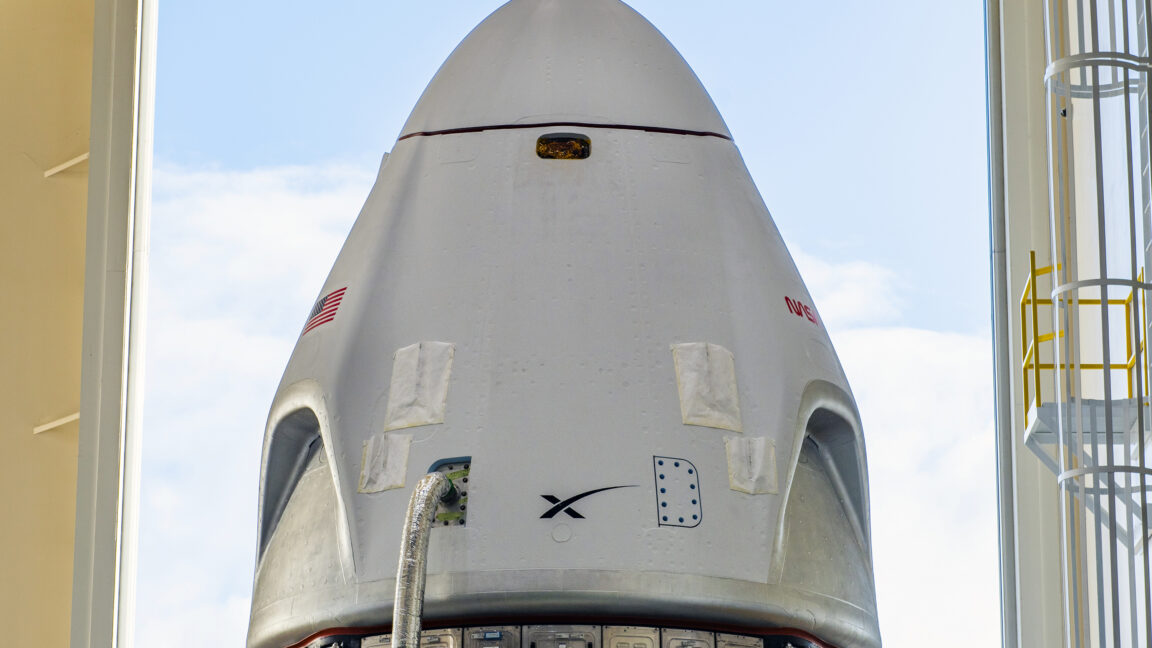
SpaceX performs surgical intervention before crew mission launch
SpaceX conducted a technical intervention on its Dragon spacecraft before launching a new crew mission to the ISS. This operation was necessary to ensure the team's safety.
 Science
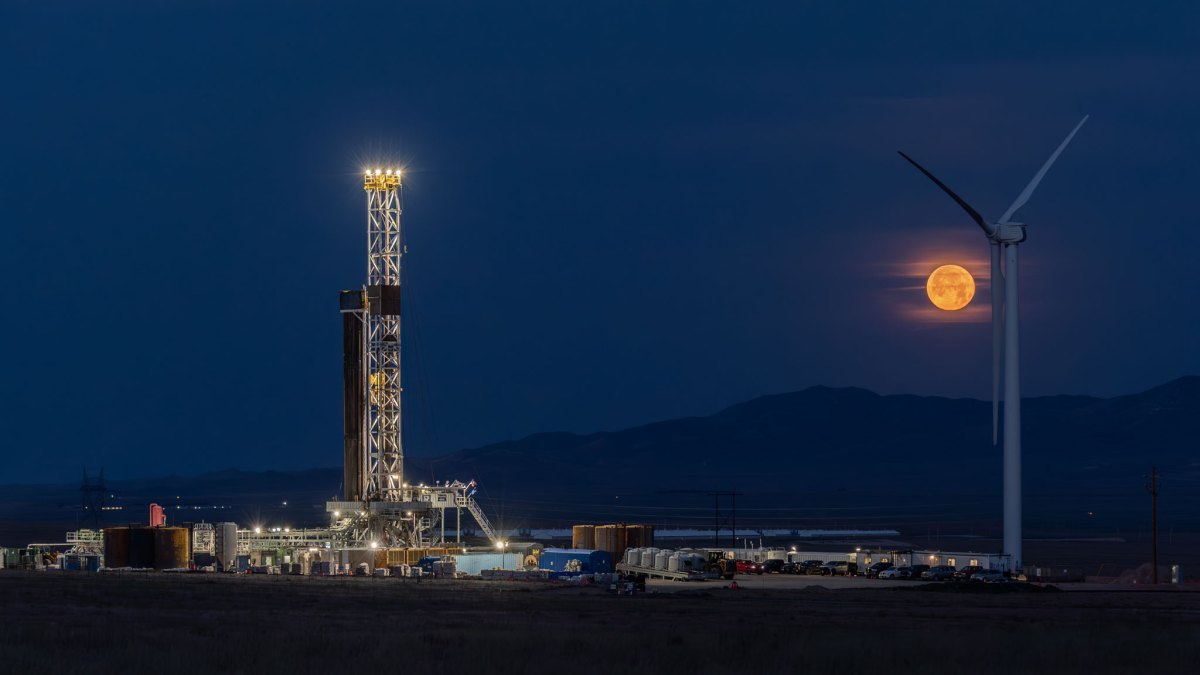
World's first enhanced geothermal power plant completed
Fervo Energy has completed its first geothermal power plant in under two years. Upcoming phases promise quicker grid connections.
 Science
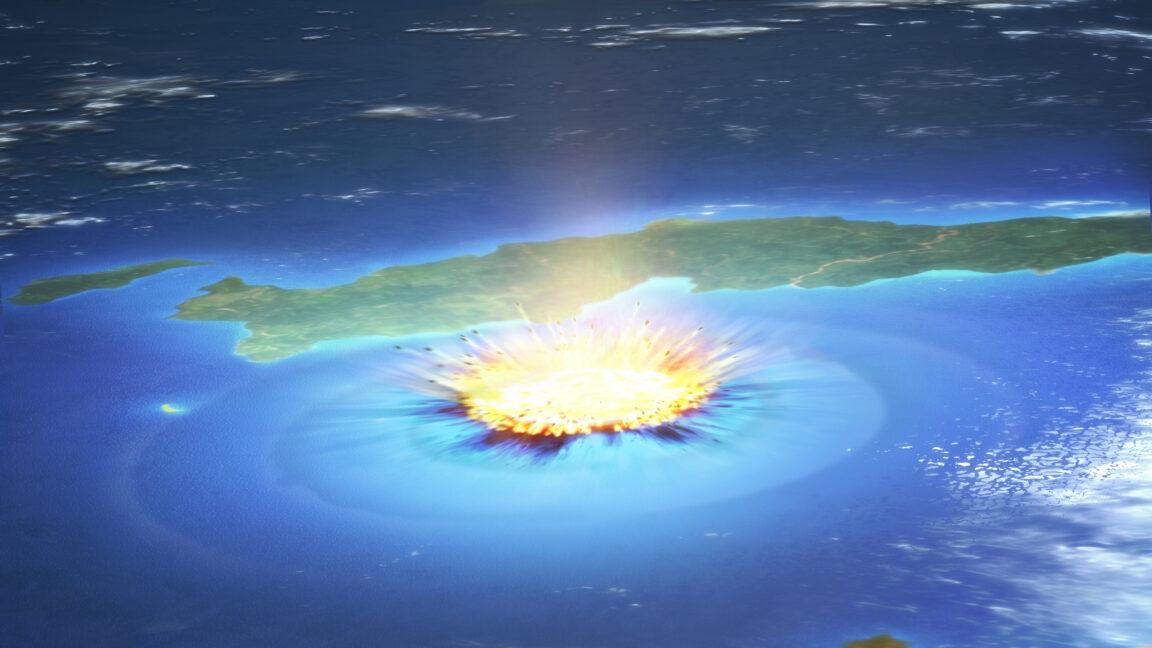
Dinosaur-killing impact crater may have harbored life
Research suggests that the Chicxulub crater could have been a life-sustaining environment after the asteroid impact that wiped out the dinosaurs.