SpaceX performs surgical intervention before crew mission launch
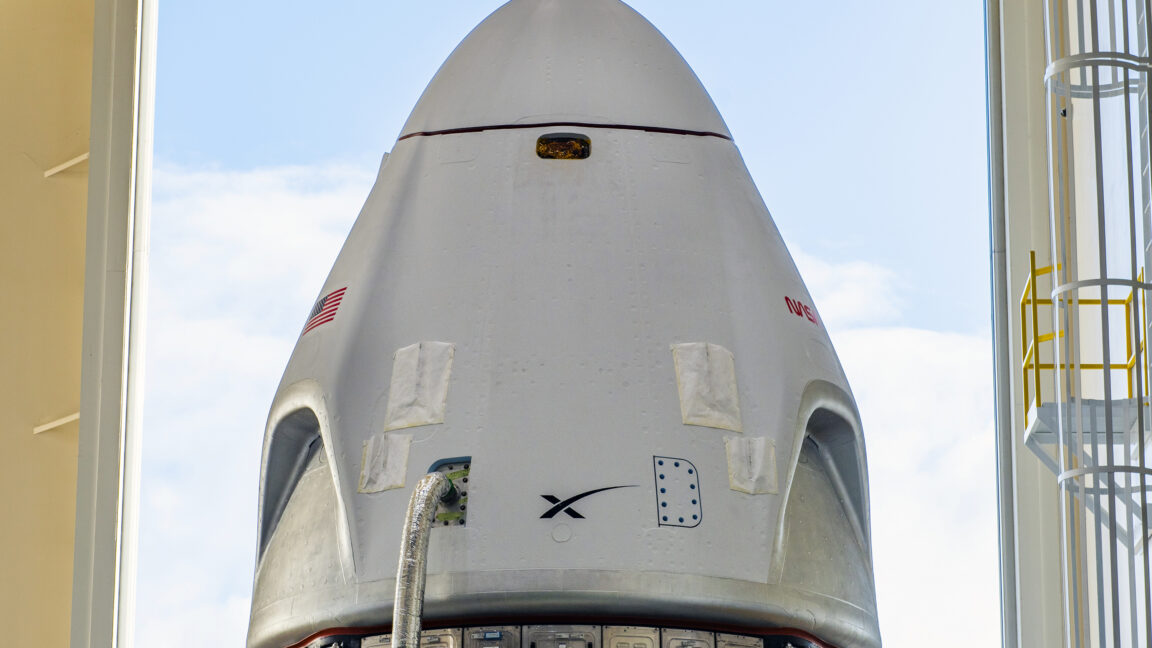
SpaceX conducted a technical intervention on its Dragon spacecraft before launching a new crew mission to the ISS. This operation was necessary to ensure the team's safety.
A four-member crew launched Thursday from Cape Canaveral Space Force Station, Florida, heading for a six-month expedition on the International Space Station (ISS). Using the Falcon 9 rocket and Dragon spacecraft, the crew departed at 11:10 am EDT (15:10 UTC) and, nine minutes later, was in orbit to begin their approach to the station.
This launch was delayed from mid-September due to a faulty valve in the Dragon's propulsion system. The situation required an intervention akin to surgery, where a propellant line had to be cut to replace a defective component, ensuring the system worked correctly before launch.
Why it matters
The surgical intervention performed on the spacecraft highlights the complexity and level of detail that SpaceX applies to ensure safety in its missions. This type of preventive maintenance is crucial for the success of crewed missions, where the safety of astronauts is the top priority.
What we know
So far, it has been confirmed that the intervention was successful and that the launch proceeded without issues, allowing the crew to begin their mission at the ISS. This also reinforces SpaceX's reputation as a leader in space technology and in conducting safe and effective missions.
What remains unclear
It remains unknown whether there will be further delays in future missions due to similar technical issues. SpaceX has not detailed if an additional monitoring plan has been implemented to avoid problems in the future.
Read at the original source:
Ars Technica →Related news
 Science
World's first enhanced geothermal power plant completed
Fervo Energy has completed its first geothermal power plant in under two years. Upcoming phases promise quicker grid connections.
 Science
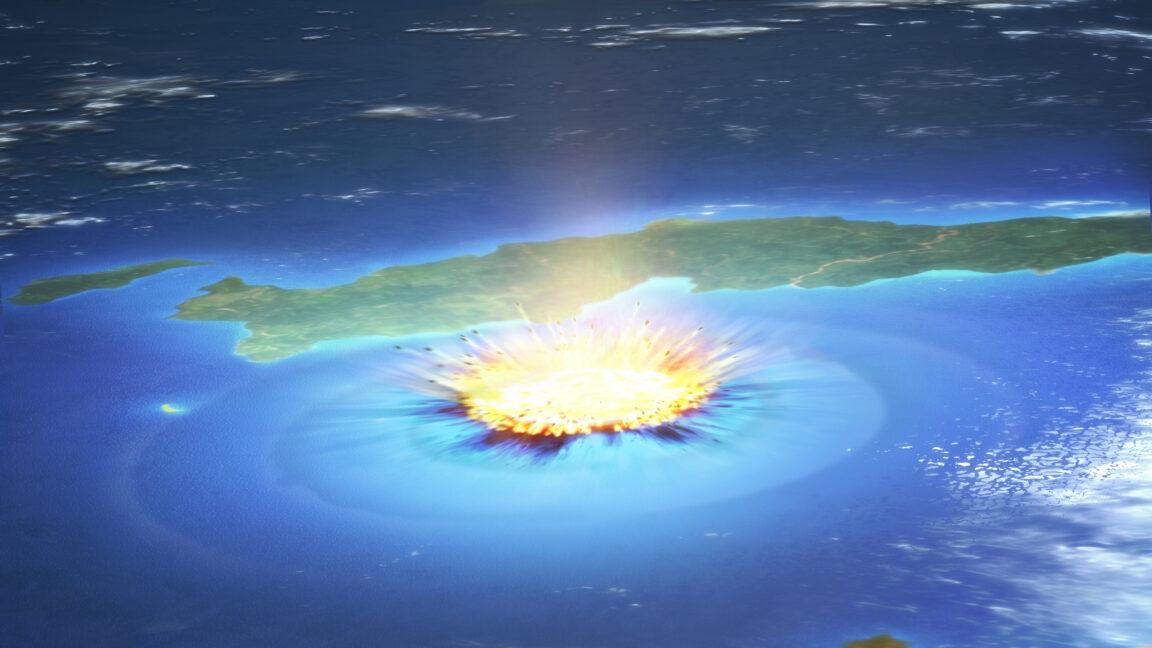
Dinosaur-killing impact crater may have harbored life
Research suggests that the Chicxulub crater could have been a life-sustaining environment after the asteroid impact that wiped out the dinosaurs.
 Science
ESA launches project to store 500PB of Earth observation data
The European Space Agency partners with OVHcloud and CGI to develop a massive data storage system for Earth observation. The Digital EO project aims to collect 500PB of information by 2035.